
Ozempic and Bone Loss
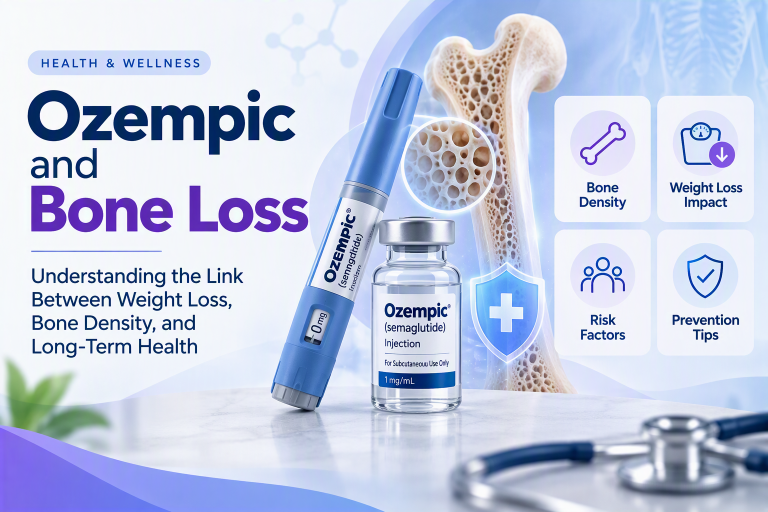
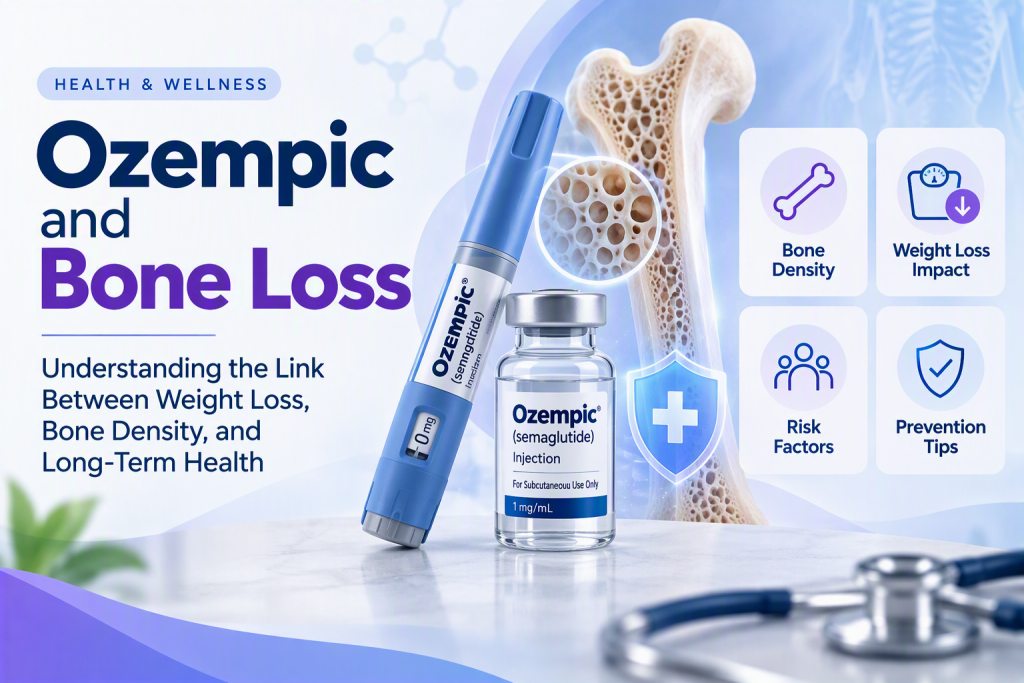
Ozempic is a GLP-1 receptor agonist medication that is primarily used for treating type 2 diabetes and has secondary use for chronic weight management. While Ozempic does not directly affect bone health, the rapid weight loss can lead to a modest decrease in bone mineral density.
Although the issue is not a direct influence of the GLP-1 drug, concerns around Ozempic bone loss have sparked among many patients. In this blog post, we will thoroughly guide you through how weight loss with Ozempic can lead to bone loss while discussing practical steps that you can follow to protect your bone health.
Key Takeaways
- Ozempic is a dedicated medication for treating type 2 diabetes and chronic weight management. There is no strong evidence regarding the direct impact of Ozempic on bone health loss.
- The concerns about Ozempic and bone loss mainly arise from the rapid weight loss.
- The changes in bone density are typically linked to the quick weight loss, which can occur with any weight loss method, and not just GLP-1 receptor agonist drugs.
- To protect bone health during a weight loss treatment, it is essential to ensure adequate intake of protein, calcium and vitamin D. These nutrients are essential for maintaining bone health.
- On a weight loss program, muscle mass may decrease. This is also caused by the rapid weight loss, rather than Ozempic itself.
- Incorporating resistance training or strength exercises helps preserve muscle tissue and bone mineral density.
Does Ozempic Cause Bone Loss?
Current evidence shows that Ozempic itself does not directly cause bone loss. The main concern about bone health arises from the rapid weight loss that often accompanies its use. This weight loss can result in decreasing bone mineral density, which is a rather common effect seen with any significant weight reduction medication.
One important thing to note here is that Ozempic is primarily used for treating type 2 diabetes. Its use for weight loss is actually secondary. This means that while the brand-name drug Ozempic is often prescribed for chronic weight management, its primary use is actually different.
Furthermore, research on the long-term effects of Ozempic and bone loss is still emerging. Also, individual risks can vary based on factors like age, baseline bone health as well as overall lifestyle.
Why Weight Loss Can Affect Bone Density
Regardless of the method used, significant or rapid weight loss can reduce bone mass alongside fat and muscle.
Significant or rapid weight loss, regardless of the method, can reduce bone mass alongside fat and muscle. Clinical studies show that when the body loses weight quickly, it also loses bone mineral density. This loss happens because the skeleton experiences less mechanical loading, which is essential for maintaining bone strength.
Below, we have shared some key points to help you better understand how body weight loss can also affect bone density.
- Rapid weight loss decreases the body’s mechanical stress on bones, leading to bone density decline.
- Lower nutrient intake during weight loss, especially calcium and vitamin D, can worsen bone loss.
- A faster pace of weight loss intensifies the reduction in bone mass.
- Muscle loss often accompanies bone loss; see our post on Ozempic muscle loss for details.
It is important to discuss your personal risk for bone loss with your doctor or prescriber before starting any weight loss treatment. They can help monitor bone health and recommend strategies to protect your skeleton during weight loss.
Who Is Most at Risk
Certain groups face a higher risk of bone loss when using Ozempic or other weight loss treatments. These include:
- Older Adults: Bone density naturally decreases with age, making bones more fragile and prone to loss.
- Postmenopausal Women: Hormonal changes result in reduced estrogen, which protects bones. As a result, postmenopausal women on weight-loss drugs have increased osteoporosis risk.
- People With Low Calcium or Vitamin D Intake: These nutrients are essential for bone strength and repair.
- Sedentary Individuals: Lack of weight-bearing activity weakens bones due to reduced mechanical stress.
- Anyone Losing Weight Very Quickly: Rapid weight loss reduces bone loading and nutrient intake, accelerating bone loss.
Do note that if you are among these risk groups and are on an Ozempic plan, this does not mean that you should stop the treatment on your own. Instead, it is important to plan ahead. Therefore, talk with your doctor about the risk factors before switching or stopping the treatment.
Your doctor can help monitor your bone health and suggest ways to protect your bones. They may recommend healthy lifestyle habits for sustainable weight loss without posing any serious adverse effects. Taking these steps ensures you can safely benefit from your treatment while minimizing potential problems.
How to Protect Your Bones on Ozempic
In order to ensure optimal bone density on the weight loss program and avoid long-term health issues, there are certain steps you can take. The steps we have shared below can help improve bone density, reduce fracture risk and promote overall health.
- Consume Adequate Protein: For healthy weight loss and maintaining overall health, protein is among the key nutrients. This nutrient supports both bone and muscle health. Therefore, ensure that you are consuming an adequate amount of protein daily.
- Engage in Resistance Training: Resistance training can help maintain bone density while promoting muscle mass. As a result, it promotes overall health and increases daily energy levels.
- Meet Calcium & Vitamin D Needs: Both of these nutrients are important for bone strength. Foods like milk, yogurt and cheese are excellent sources of both calcium and vitamin D. By including these foods in your diet, you can easily ensure optimal intake of these nutrients.
- Aim for Steady Weight Loss: Avoid extreme diets or additional plans for weight loss. Instead, aim for a steady weight loss to reduce the risk of bone and muscle loss.
Check out our Ozempic Meal Plan guide to support healthy weight loss without raising the risk of any and all side effects.
When to Talk to Your Prescriber
Ozempic does not affect bone health. Instead, the loss is primarily caused by the rapid weight loss and the reduced nutritional intake. However, you should immediately reach out to your healthcare provider if you have the following concerns.
- A history of osteoporosis or previous bone fractures.
- Belong to a high-risk group, such as older adults or postmenopausal women.
- Experienced very rapid weight loss.
- Questions about bone-density testing, such as a DEXA scan.
Remember, decisions about bone-density testing, medication dose adjustments or treatment changes should always be made by your doctor. Do not alter your treatment without consulting them first. Your prescriber will guide you based on your individual health needs and risks.
Accessing Ozempic or Generic Semaglutide
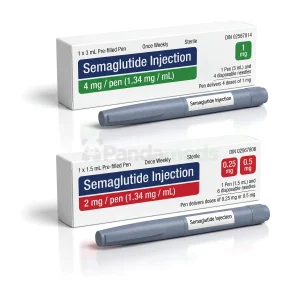
Both Ozempic and generic semaglutide are prescription medications for treating type 2 diabetes. These two drugs have the same active ingredient, semaglutide, and have the secondary use for chronic weight management.
The difference between these two drugs is that generic semaglutide is much more affordable and approved by Health Canada, while the brand name Ozempic is costly but has FDA approval. Nonetheless, U.S. patients import these medications from Canada via a trusted Canadian prescription referral service, like Pandameds.com.
Importing the medication from Canada is a much more cost-effective solution and follow the simple steps which we have shared below.
- You need a valid U.S. prescription from your healthcare provider.
- PandaMeds.com is a Canadian prescription referral service, allowing U.S. patients access to affordable and authentic medications.
- Medications are shipped with tracked cold-chain delivery to ensure quality and safety.
- Generic semaglutide contains the same active ingredient as Ozempic but offers a lower-cost option for eligible patients.
- Use the PANDA10 code for a 10% discount on your first order.