Weight loss injections are prescription medications for chronic weight management. Doctors prescribe them when diet and exercise alone haven’t produced enough weight loss. They’re administered as a weekly injection under the skin and work by mimicking natural hormones that regulate appetite, slow digestion, and improve insulin sensitivity.
The FDA has approved several weight loss injections, including semaglutide (Wegovy), tirzepatide (Zepbound), and liraglutide (Saxenda), for adults and certain pediatric patients with obesity or overweight accompanied by weight-related health conditions.
TL;DR
- Weight loss injections are FDA-approved medications delivered by a small needle under the skin, usually in the stomach, thigh, or arm.
- The three main types are semaglutide (Wegovy), tirzepatide (Zepbound), and liraglutide (Saxenda).
- All are GLP-1 receptor agonists that regulate appetite and slow digestion. Zepbound produced the highest results in clinical trials, with up to 22.5% body weight reduction over 72 weeks.
- These medications are not a quick fix. They work best with a reduced-calorie diet, physical activity, and lasting lifestyle changes.
How weight loss injections work
The most widely used weight loss injections are GLP-1 receptor agonists. GLP-1 (glucagon-like peptide-1) is a hormone your body produces naturally after eating. These injectable medications mimic that hormone. They slow gastric emptying so food sits in your stomach longer, send stronger fullness signals to your brain, and decrease appetite. The net effect is lower food intake without the constant fight against hunger.
Tirzepatide (Zepbound) goes further. It targets both GLP-1 receptors and glucose-dependent insulinotropic polypeptide (GIP) receptors, which is why clinical studies show it produces greater average weight loss than medications targeting GLP-1 alone. That dual-action approach is the reason the tirzepatide vs semaglutide comparison keeps coming up in obesity medicine conversations.
FDA-approved weight loss injections
1. Semaglutide (Wegovy)
Wegovy was approved in 2021 for chronic weight management. It is a once-weekly injection that starts at a lower dose and gradually increases over 16-20 weeks to the maintenance dose of 2.4 mg.
In the STEP 1 clinical trial, participants lost an average of 14.9% of their body weight over 68 weeks. About 83% of people on the full dose hit at least 5% weight loss, compared with 31% on placebo. Wegovy is approved for adults and pediatric patients aged 12 and older with a BMI at or above the 95th percentile for their age and sex.
Semaglutide (Wegovy) has also shown benefits for people with established cardiovascular disease. The SELECT trial found it reduced the risk of heart attack, stroke, and cardiovascular death in adults with obesity and existing heart disease.
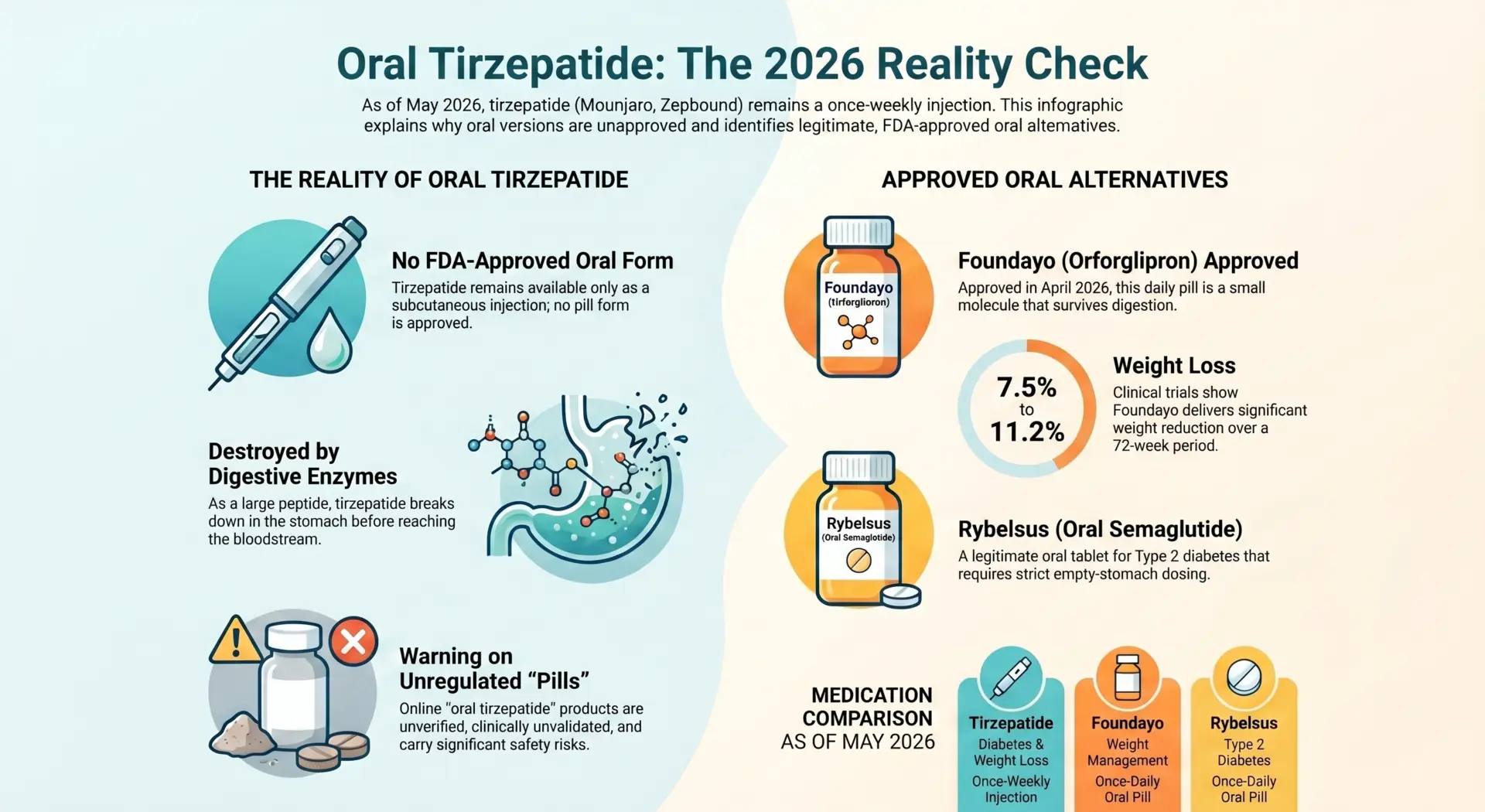
A Wegovy pill (oral semaglutide 25 mg) was approved in early 2026 as a daily pill option for people who prefer to skip the weekly injection.
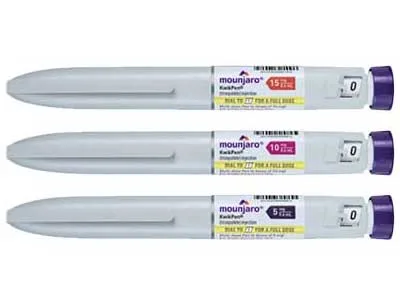
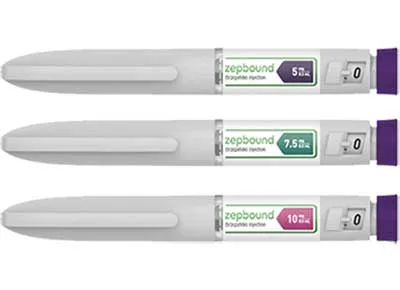
2. Tirzepatide (Zepbound)
Zepbound is the most effective FDA-approved weight loss medication right now. In the SURMOUNT-1 clinical trial, participants on the highest dose (15 mg) achieved an average body weight reduction of 22.5% over 72 weeks, roughly 48 pounds. Those on the 10 mg dose lost about 19.5%, and the 5 mg group lost around 15%.
The SURMOUNT-5 head-to-head trial backed this up. Participants treated with tirzepatide lost an average of 20.2% of body weight compared to 13.7% for those on semaglutide over the same period.
Zepbound is a weekly injection starting at a lower dose (2.5 mg) that increases over several weeks. It is approved for adults with a BMI of 30 or greater, or 27 or greater with at least one weight-related health condition such as high blood pressure, type 2 diabetes, or cardiovascular disease.
3. Liraglutide (Saxenda)
Liraglutide (Saxenda) was one of the first GLP-1 agonists approved for weight loss, receiving FDA approval in 2014. Unlike the once-weekly options above, Saxenda is a daily injection. It contains the same active ingredient as Victoza (used for diabetes) but at a higher dose (3.0 mg) for weight management.
In clinical trials, participants lost an average of 5-8% of body weight. That is less than the newer medications, but Saxenda remains a reasonable choice for people who cannot tolerate tirzepatide or semaglutide. It is approved for adults and children aged 12 and older.
Other weight loss medications worth knowing
This article focuses on injectable medications, but several prescription drugs in pill form also treat obesity.
Phentermine-topiramate (Qsymia) is a combination weight loss medication available since 2012. Clinical trials showed an average weight loss of 5-10% of body weight. Phentermine-topiramate should not be taken with monoamine oxidase inhibitors. In 2025, the generic form (phentermine-topiramate ER) became available, giving patients a cheaper alternative.
Naltrexone-bupropion (Contrave) pairs an opioid receptor antagonist with an antidepressant originally used to treat depression. It targets brain pathways involved in appetite and reward. Average weight loss is about 5-10% of body weight when used with a healthy eating plan and physical activity.
Orlistat (Xenical and Alli) takes a different approach, blocking the absorption of dietary fats rather than decreasing appetite. Patients typically lose about 5% of body weight on a reduced calorie diet. Orlistat is available as both a prescription drug and over-the-counter at a lower dose (Alli).
Who qualifies for weight loss injections?
Weight management medications are intended for people who have health problems related to excess weight. The standard criteria: a BMI of 30 or greater, or a BMI of 27 or greater with at least one weight-related chronic disease such as type 2 diabetes, high blood pressure, or cardiovascular disease.
Some weight loss medications are FDA approved for children aged 12 and older with a BMI at or above the 95th percentile. The prescribing decision should factor in the patient’s overall health conditions, other medications, family history of medullary thyroid cancer or rare genetic disorders (which may need genetic testing), and personal goals.
People with a personal or family history of medullary thyroid cancer or Multiple Endocrine Neoplasia syndrome type 2 should not use GLP-1 agonists. Your healthcare professional should review your full health history before prescribing any weight loss medicine.
Side effects and safety considerations
Weight loss medications can cause side effects: upset stomach, nausea, vomiting, diarrhea, constipation, headache, dizziness, and fatigue. These are most common when starting treatment or moving to a higher dose, and they usually ease over time.
Patients on weight loss injections should be watched for serious side effects, including increased blood pressure, liver injury, risk of pancreatitis, and low blood sugar, especially when combined with insulin or other diabetes medications. Your doctor should monitor progress and side effects regularly during the initial treatment phase.
About compounding pharmacies: compounded medications, including some sold as weight loss drugs, are not FDA-approved and may carry safety risks such as incorrect dosages or harmful ingredients. The FDA recommends getting these medications only from a state licensed pharmacy dispensing FDA-approved products.
What happens when you stop?
Weight loss injections typically need long-term use. A BMJ meta-analysis published in January 2026, covering 37 studies with over 9,000 participants, found that people who stopped newer weight loss medications regained about 0.8 kg per month. At that rate, most return to their starting weight within roughly 1.5 years. This weight gain traces back to metabolic adaptation and hormonal changes that ramp up hunger and dull the feeling of fullness.
That is why long-term lifestyle changes, a healthy diet, regular exercise, and sustained habits, matter so much for anyone trying to maintain weight loss after stopping medication.
Cost and insurance coverage
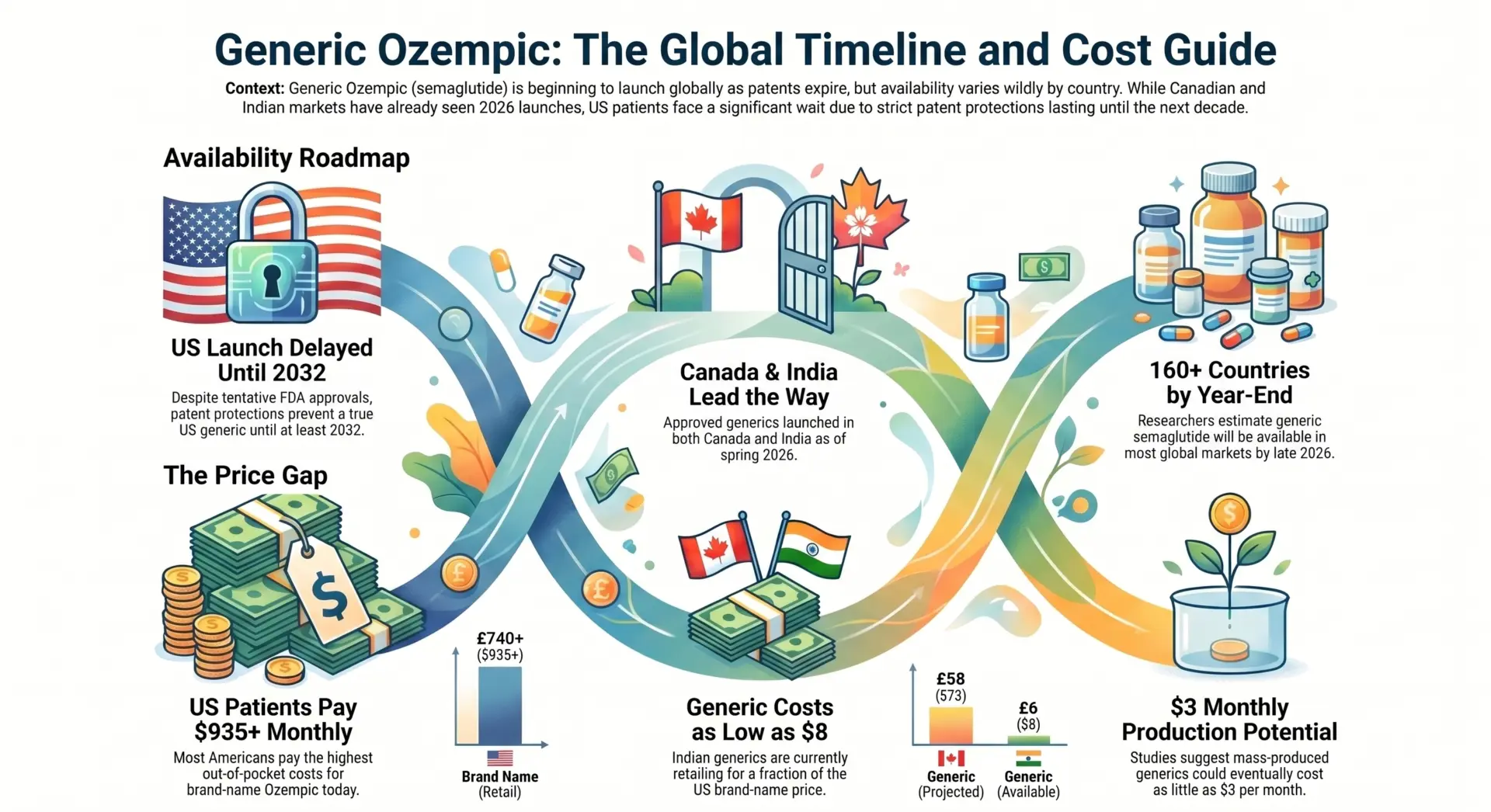
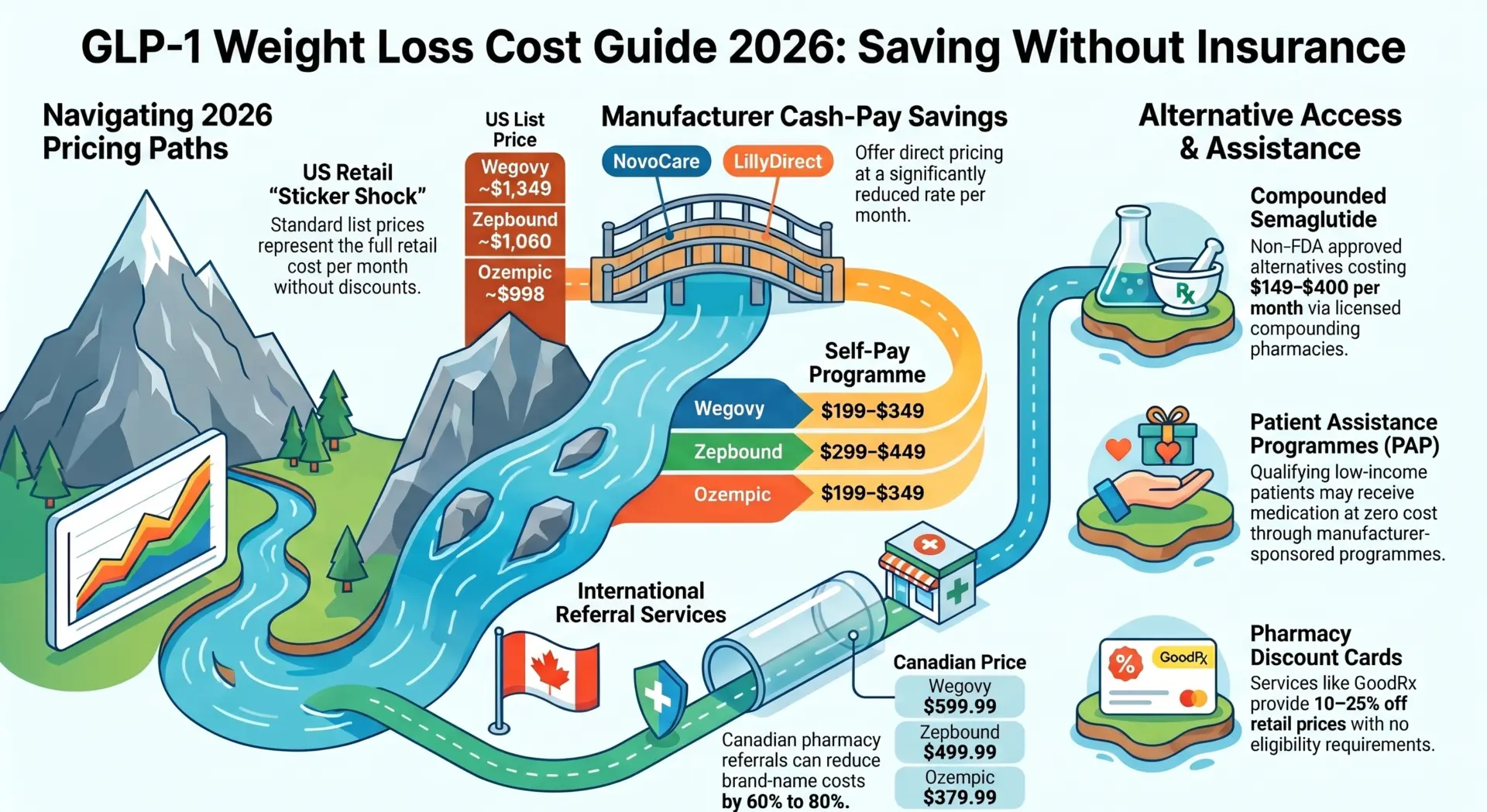
Cost is a real barrier. The Kaiser Family Foundation estimates the annual net retail price of Wegovy at roughly $13,600. Zepbound costs similarly. Insurance coverage for obesity treatment varies widely across insurance plans, and Medicare still does not cover these medications for weight management, which limits access for millions of patients.
The 2025 arrival of generic phentermine-topiramate ER (Qsymia) has given patients a more affordable path. Some also use manufacturer savings programs or employer-sponsored benefits to bring costs down.
The bottom line
Weight loss injections are not a shortcut. They work best paired with a healthy eating plan, regular physical activity, and real lifestyle changes. But for people dealing with obesity or excess weight alongside related health conditions, GLP-1 receptor agonists like Wegovy and Zepbound are among the most effective prescription medications available today.
Talk to your healthcare professional about your body weight goals, health history, and whether a weight loss injection or a different weight loss medication makes sense for your situation.
Disclaimer: This information is intended for general knowledge and informational purposes only and does not constitute medical advice. Always consult with a healthcare professional for personalized guidance.
Written by the Pandameds.com Editorial Team
Our content is created by pharmacy-trained researchers and healthcare specialists and rigorously reviewed by a diverse panel of authentic experts from the pharmaceutical and healthcare fields. This collaborative review process ensures that every article meets the highest standards of medical accuracy, reliability, and relevance.
- ✅ Authored by pharmacy-trained professionals
- 🔍 Reviewed by multiple verified experts in the pharmaceutical and healthcare niche
- 💊 Based on trusted sources including FDA, Health Canada, and peer-reviewed clinical studies
- 🔄 Regularly reviewed and updated every 90 days to maintain accuracy and trustworthiness
About Pandameds.com
Pandameds.com is a prescription referral service and help U.S. patients to access affordable and authentic weight loss medications.
Fast, Reliable Shipping to the USA!
Affordable Prescription Meds From Canada




Join our mailing list for exclusive promos, curated health content & more.
Related Blog Posts
Call Us Today!
If you have any questions, please email our support team at support@pandameds.com or call us toll-free at 1-888-862-1210.