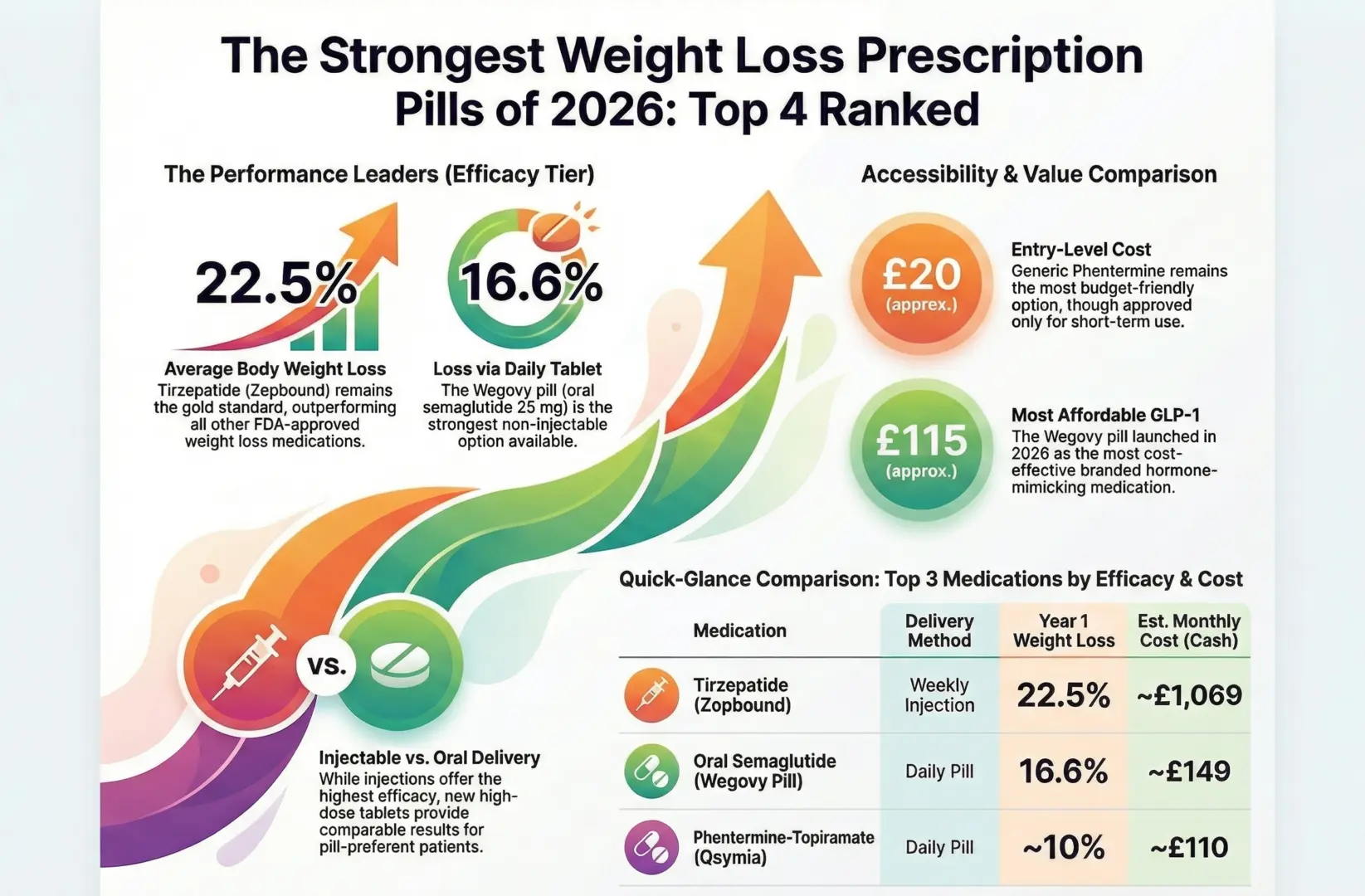

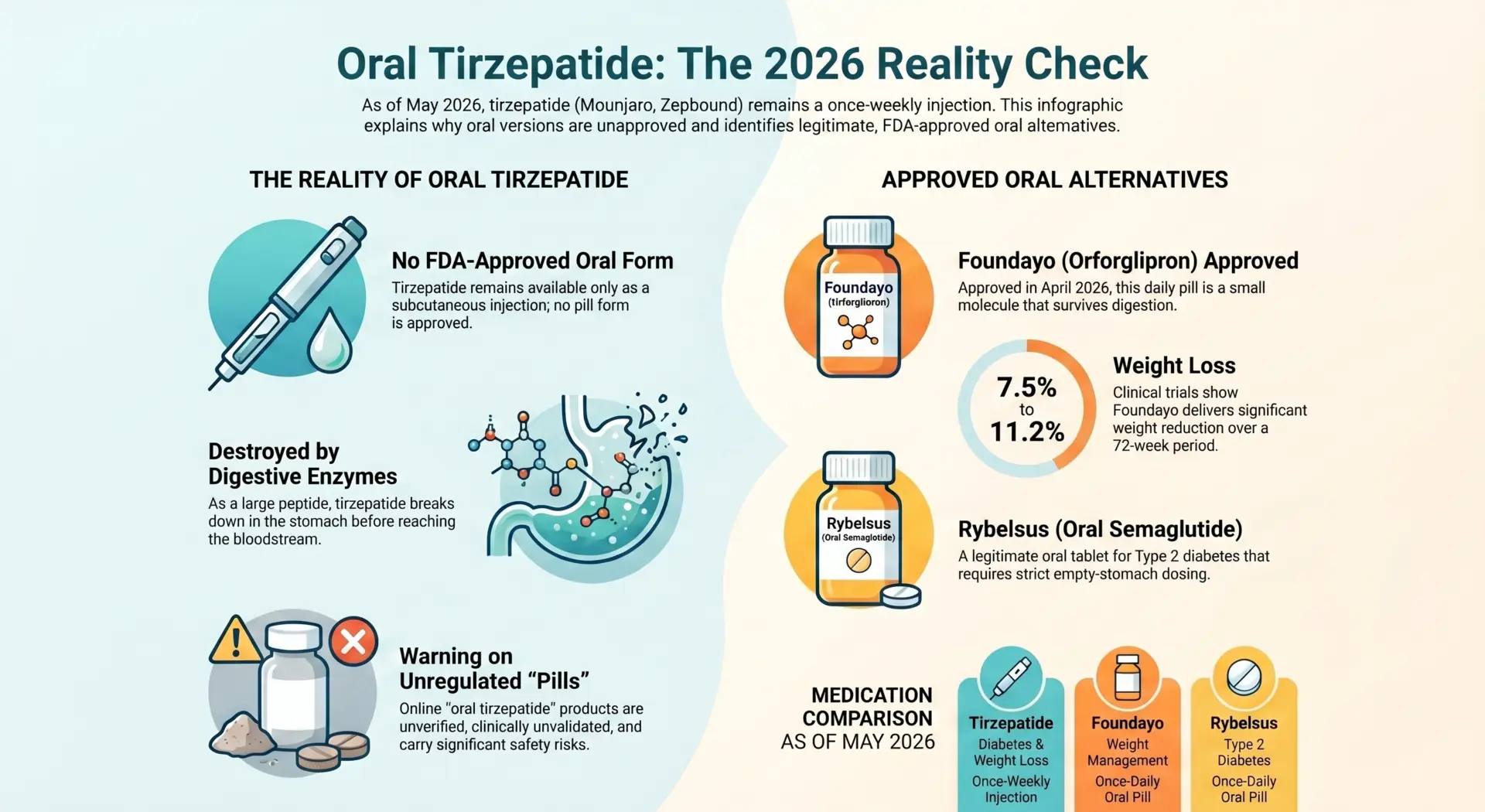
The strongest weight loss prescription pill is tirzepatide (Zepbound), which produced up to 22.5% average body weight loss in the landmark SURMOUNT-1 trial more than any other FDA-approved weight loss medication currently available. In a head-to-head Phase IIIb trial (SURMOUNT-5), tirzepatide achieved 20.2% weight loss versus 13.7% for injectable semaglutide (Wegovy) over 72 weeks.
For patients who prefer an oral pill over injections, the Wegovy pill (oral semaglutide 25 mg) approved by the FDA in December 2025 is the strongest weight loss prescription pill in tablet form, delivering 16.6% mean weight loss at 64 weeks in the OASIS 4 trial.
This article ranks the top five prescription weight loss pills by clinical efficacy, compares their safety profiles, costs, and side effects and helps you understand which weight loss medication may be right for your weight loss journey.
TL;DR
- The strongest weight loss prescription pill in 2026 is tirzepatide (Zepbound), a dual GLP-1/GIP receptor agonist that delivered up to 22.5% body weight loss in the SURMOUNT-1 clinical trial.
- Among oral-only options, the newly FDA-approved Wegovy pill (oral semaglutide 25 mg) achieved 16.6% mean weight loss at 64 weeks and is the strongest weight loss prescription pill available in pill form.
- Other effective prescription weight loss medications include phentermine-topiramate (Qsymia, ~10%), naltrexone-bupropion (Contrave, ~5-7%), and phentermine (~8% short-term).
- All weight loss medications work best as part of a comprehensive treatment plan that includes a healthy diet, physical activity, and lifestyle changes.
What Makes Weight Loss Pills “Strongest”? Efficacy Ranking
When we rank prescription weight loss medications as “strongest,” we use objective clinical criteria not marketing claims. The FDA considers a weight loss drug effective if it produces at least 5% body weight loss sustained over 52 weeks compared to placebo. The most effective weight loss pills far exceed this minimum threshold, delivering 10-22% total body weight reduction in clinical trials.
2026 efficacy tiers for prescription weight loss medications:
- Top Tier (>10% loss): Dual GLP-1/GIP agonists (tirzepatide) and oral semaglutide these newer weight loss drugs mimic incretin hormones that regulate appetite, satiety, and energy balance, making them far more effective than traditional oral stimulant options (FDA weight management medications overview).
- Mid Tier (7-10% loss): Phentermine-topiramate (Qsymia) a combination medication that enhances weight loss efficacy compared to either drug alone.
- Entry Tier (5-7% loss): Naltrexone-bupropion (Contrave), phentermine, and orlistat older but still FDA-approved prescription weight loss drugs that can help some people lose weight when combined with lifestyle changes such as diet and exercise.
Our ranking criteria weight Year 1 total body weight loss, A1C reduction (metabolic benefit), dropout rate, and overall safety profile from published clinical trials.
#1 Strongest: Dual GLP-1/GIP Agonists (15-22% Weight Loss)
The strongest weight loss prescription pills in 2026 are the GLP-1 and GIP receptor agonists a class of drugs known as incretin mimetics.
These prescription medications modify neurohormonal pathways in the brain to control hunger and cravings while improving insulin secretion and adipose tissue remodeling.
| Medication | Type | Max Dose | Year 1 Loss | Cost/Month (Cash) |
| Tirzepatide (Zepbound) | Weekly injection | 15 mg | 22.5% | ~$1,069 |
| Oral Semaglutide (Wegovy pill) | Daily pill | 25 mg | 16.6% | ~$149 |
| Semaglutide (Wegovy injection) | Weekly injection | 2.4 mg | ~15% | ~$349-936 |
1. Tirzepatide (Zepbound)
It is a dual GLP-1 and GIP receptor agonist approved for obesity treatment. In the SURMOUNT-1 trial, participants taking the 15 mg dose achieved 22.5% mean body weight loss at 72 weeks 57% achieved 20% or greater weight loss.
In the SURMOUNT-5 head-to-head trial, tirzepatide outperformed injectable semaglutide with 20.2% versus 13.7% weight loss over 72 weeks.
2. Oral Semaglutide (Wegovy pill)
It was approved by the FDA in December 2025 as the first oral GLP-1 for chronic weight management. In the OASIS 4 trial, the 25 mg daily pill produced 16.6% mean weight loss at 64 weeks with full treatment adherence comparable to the injectable Wegovy. One in three participants lost 20% or more of their body weight. At $149/month without insurance, it is the most affordable GLP-1 option for weight management.
3. Semaglutide injection (Wegovy)
It is administered as a weekly injection and has been one of the most popular prescription weight loss medications since its 2021 approval. Liraglutide (Saxenda) is an older daily injectable GLP-1 that produces moderate weight loss (~8%) and is also FDA-approved for pediatric patients aged 12 and older.
#2-3: Appetite Suppressant Combinations (8-10% Loss)
For patients who cannot access or tolerate GLP-1 medications, combination appetite suppressant pills offer effective weight loss in oral pill form.
| Rank | Medication | Year 1 Loss | Key Advantage | Notable Side Effect |
| #2 | Phentermine-Topiramate (Qsymia) | ~10% | Strongest oral combo; seizure disorder benefit | Insomnia (~15%) |
| #3 | Naltrexone-Bupropion (Contrave) | ~5-7% | Helps depression comorbidity; reduces cravings | Headache (~20%) |
1. Phentermine-topiramate (Qsymia)
It combines an appetite suppressant (phentermine) with an anticonvulsant (topiramate) that also helps control food intake. This combination medication enhances weight loss efficacy compared to either drug alone and is prescribed for adults with a BMI of 30 or greater, or 27 or greater with weight-related health conditions.
It requires pregnancy screening due to teratogenicity risk. Common side effects include insomnia, dry mouth, constipation, and tingling sensations.
2. Naltrexone-bupropion (Contrave)
It combines an opioid receptor antagonist with an antidepressant to reduce cravings and control appetite through the brain’s reward system. It is particularly useful for patients who also need to treat depression or manage food cravings. Contrave requires a 4-week titration period. Side effects include nausea, constipation, headache, and dizziness. It should not be used with monoamine oxidase inhibitors or in patients with seizure disorders.
#4-5: Sympathomimetics & Orlistat (5-8% Loss)
| Medication | Class | Efficacy | Safety Profile | Access/Cost |
| Phentermine | Sympathomimetic | ~8% (12 weeks) | CV screening required | Cheapest ~$25/mo |
| Orlistat (Xenical/Alli) | Lipase inhibitor | ~5-6% | GI tolerance issues | OTC available |
1. Phentermine
It is one of the oldest and most widely used prescription weight loss pills, approved for short-term use (typically 12 weeks). It works by decreasing appetite through sympathomimetic action. Phentermine is the cheapest prescription weight loss option at roughly $25/month (generic available at Walmart for ~$19.99). Side effects include increased heart rate, insomnia, and dependency risk. It requires cardiovascular screening before prescribing and is not suitable for patients with high blood pressure or a personal or family history of heart disease.
2. Orlistat (Xenical, Alli)
It works differently from other weight loss pills it blocks fat absorption in the intestines rather than suppressing appetite. Orlistat reduces dietary fat absorption by approximately 30% and is the only FDA-approved weight loss drug available over the counter (as Alli at a lower dose). It should be taken with a low-fat diet to minimize side effects, which include oily stools, diarrhea, and abdominal pain. Average weight loss is about 5-6% of body weight.
Safest Weight Loss Prescription Pills Comparison
All prescription weight loss medications carry potential side effects, but safety profiles vary significantly. Patients taking any weight loss medication should be monitored by their healthcare provider for potential side effects.
| Safety Metric | Winner | Dropout Rate | Black Box Warning |
| Cardiovascular safety | GLP-1 class (semaglutide, tirzepatide) | 4.3% | None (thyroid C-cell warning) |
| Long-term use profile | Qsymia (phentermine-topiramate) | ~7% | Teratogenicity (birth defects) |
| Budget-friendly safety | Phentermine | ~5% | CV stimulation risk |
Common side effects across weight loss medications include nausea, constipation, diarrhea, and vomiting these gastrointestinal symptoms are particularly common with GLP-1 injections but generally improve over time with slow dose titration. Most side effects are mild to moderate and tend to diminish as the body adjusts. Serious side effects (such as pancreatitis with GLP-1 agents, occurring in ~0.1% of patients) are rare.
Important: None of the weight loss medications are approved for use in individuals who are pregnant. Weight loss medications are also not recommended for individuals with certain health conditions always discuss your full medical history with your healthcare provider.
Prescription Requirements & Doctor Access
Most weight loss medications are prescribed for individuals with a body mass index (BMI) of 30 or greater, or a BMI of 27 or greater if they have at least one weight-related health condition such as type 2 diabetes, high blood pressure, or obstructive sleep apnea.
- Tier 1 (Easy Rx): Phentermine BMI ≥30 or ≥27 with comorbidities. Widely available via primary care.
- Tier 2 (Endocrinologist): GLP-1 oral medications (Wegovy pill, Rybelsus) A1C ≥6.5% or obesity diagnosis.
- Tier 3 (Specialist): Dual GLP-1/GIP agonists (tirzepatide) often prescribed after failing two prior medications.
The FDA has also approved several weight management medications for pediatric patients aged 12 and older, including orlistat, liraglutide, phentermine-topiramate, and semaglutide. In 2026, all major prescription weight loss medications except phentermine (which may require an in-person EKG) are available through telehealth consultations.
Cost Comparison: Cash vs. Insured
Insurance coverage for prescription weight loss medications varies widely. Here is what you can expect to pay in 2026:
| Medication | Cash (30-Day) | Savings/GoodRx | Insured Copay |
| Phentermine (generic) | ~$25 | ~$15-20 | ~$10 |
| Qsymia | ~$110 | ~$95 | ~$45 |
| Wegovy pill (oral semaglutide) | ~$149 | Savings program | ~$25 |
| Tirzepatide (Zepbound) | ~$1,069 | Varies | ~$25 |
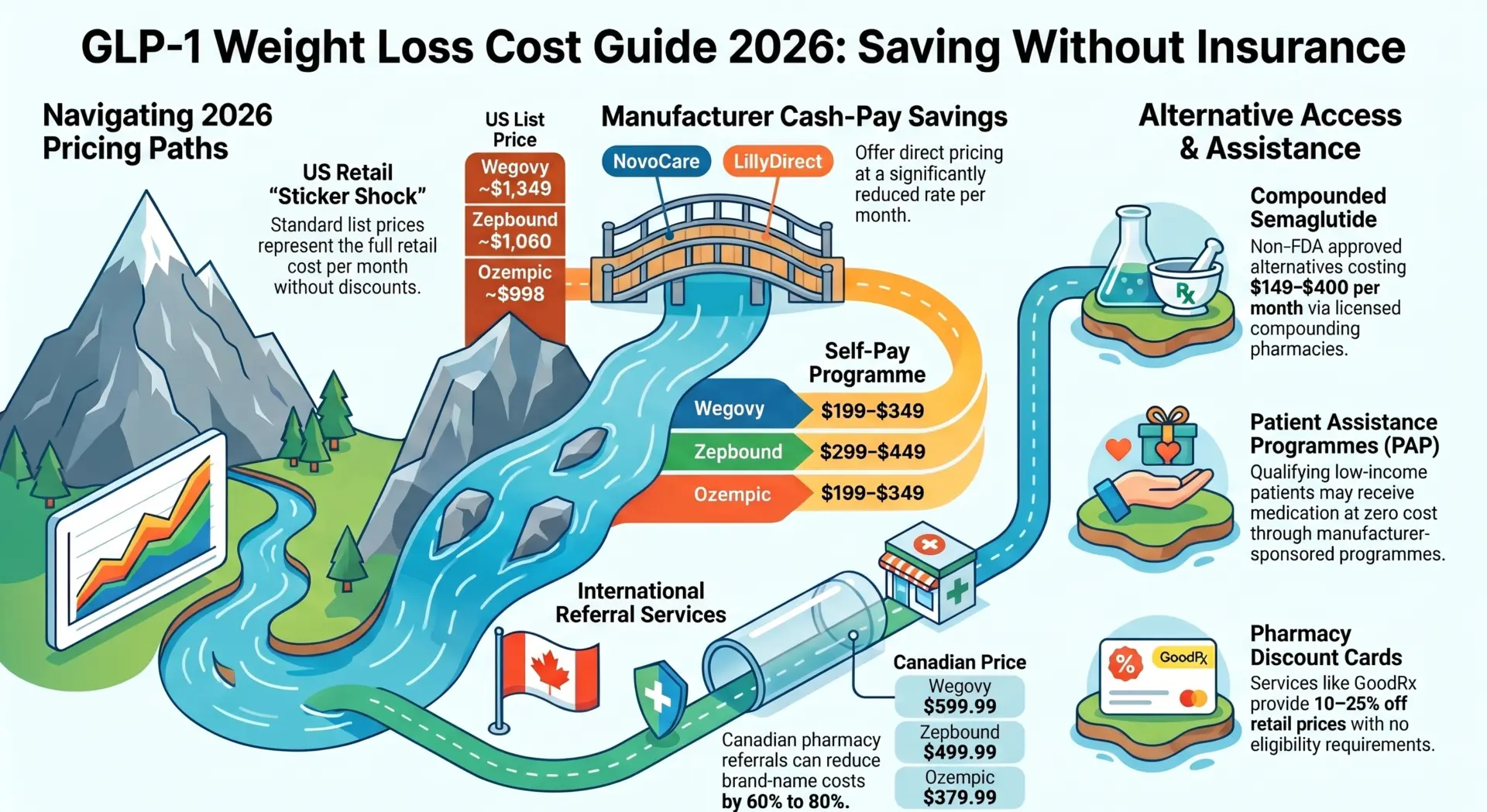
The Wegovy pill launched in January 2026 at $149/month for the starting dose without insurance making it the most affordable branded GLP-1 medication. Phentermine generic remains the cheapest prescription weight loss pill overall. Patients should explore manufacturer savings programs and check with their insurance provider about coverage for chronic weight management medications.
Side Effects by Efficacy Tier
The effectiveness of weight loss medications often correlates with their side effect profile. Understanding these tradeoffs helps patients and healthcare providers choose the best weight loss pill for each individual.
| Tier | Common Effects | Serious Risk | Mitigation |
| High Efficacy (GLP-1s) | Nausea (25-33%), diarrhea, vomiting | Pancreatitis (~0.1%); thyroid C-cell tumors (boxed warning) | Slow dose titration over 12-20 weeks |
| Mid (Appetite Combos) | Insomnia, dry mouth, constipation, tingling | Birth defects (Qsymia); suicidal ideation monitoring | REMS screening; pregnancy testing |
| Low Cost (Phentermine/Orlistat) | CV stimulation; oily stools (orlistat) | Hypertensive crisis (phentermine); liver injury rare (orlistat) | EKG before prescribing; low-fat diet |
Weight loss medications may lead to mild to moderate side effects that often improve over time. The newer GLP-1 medications like tirzepatide and semaglutide are generally more effective than traditional oral stimulant options, but their gastrointestinal side effects cause higher discontinuation rates (up to 6-7% in clinical trials versus 2-5% for older medications). Weight loss medications should be used in conjunction with lifestyle changes including a healthy diet, regular physical activity, and nutritional counseling for optimal results.
Disclaimer: This information is intended for general knowledge and informational purposes only and does not constitute medical advice. Always consult with a healthcare professional for personalized guidance.
Written by the Pandameds.com Editorial Team
Our content is created by pharmacy-trained researchers and healthcare specialists and rigorously reviewed by a diverse panel of authentic experts from the pharmaceutical and healthcare fields. This collaborative review process ensures that every article meets the highest standards of medical accuracy, reliability, and relevance.
- ✅ Authored by pharmacy-trained professionals
- 🔍 Reviewed by multiple verified experts in the pharmaceutical and healthcare niche
- 💊 Based on trusted sources including FDA, Health Canada, and peer-reviewed clinical studies
- 🔄 Regularly reviewed and updated every 90 days to maintain accuracy and trustworthiness
About Pandameds.com
Pandameds.com is a prescription referral service and help U.S. patients to access affordable and authentic weight loss medications.
Fast, Reliable Shipping to the USA!
Affordable Prescription Meds From Canada


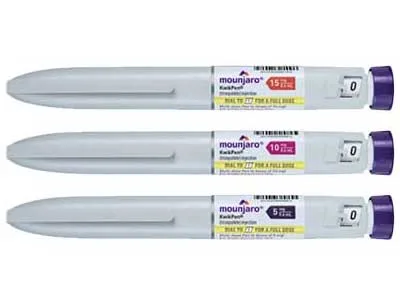
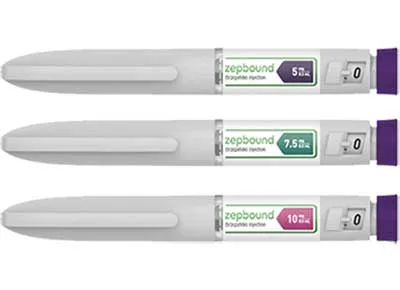


Join our mailing list for exclusive promos, curated health content & more.
Frequently Asked Questions
What is the safest prescription weight loss pill?
GLP-1 class medications (semaglutide, tirzepatide) have the most favorable safety profile based on clinical trial dropout rates (~4.3%) and the absence of cardiovascular black box warnings. However, the safest option for any individual depends on personal or family history and existing health conditions. Always consult your healthcare provider.
What are the best weight loss pills that require a prescription?
The top five best prescription weight loss pills ranked by efficacy are: (1) Tirzepatide/Zepbound at 22.5% weight loss, (2) Oral semaglutide/Wegovy pill at 16.6%, (3) Phentermine-topiramate/Qsymia at ~10%, (4) Naltrexone-bupropion/Contrave at 5-7%, and (5) Phentermine at ~8% short-term.
What is the cheapest doctor-prescribed weight loss pill?
Generic phentermine is the cheapest prescription weight loss pill, available for approximately $19.99 for a 30-day supply at Walmart and other pharmacies. The Wegovy pill is the most affordable branded GLP-1 medication at $149/month without insurance.
What is the most effective weight loss medication in 2026?
Dual GLP-1/GIP agonists are the most effective weight loss medications in 2026. Tirzepatide achieved 22.5% weight loss versus 15% for single GLP-1 agonist semaglutide in the SURMOUNT-5 head-to-head trial.
How do weight loss pills work?
Weight loss medications work by targeting the biological systems that regulate appetite, satiety, energy balance, and nutrient handling. Some suppress appetite (phentermine, GLP-1 agonists), some reduce fat absorption (orlistat), and others target the brain’s reward system to reduce cravings (naltrexone-bupropion).
Related Blog Posts
Call Us Today!
If you have any questions, please email our support team at support@pandameds.com or call us toll-free at 1-888-862-1210.