
The best medication for diabetes depends on the type of diabetes and personal priorities such as cost, weight loss or avoiding side effects. Diabetes medications work best when combined with lifestyle changes like healthy eating, regular exercise and modest weight loss.
How to Determine the ‘Best’ Diabetes Medications
Healthcare providers consider A1C reduction, the ability to lower blood sugar levels without severe hypoglycemia and effects on body weight such as weight loss, weight gain or weight neutral outcomes when prescribing the medicine for diabetes. Cardiovascular benefits, impact on kidney disease or heart failure risk and protection against cardiovascular disease are increasingly important in diabetes care decisions.
Safety profile, risk of diabetic ketoacidosis or other serious side effects and how a medication works in the body over time also matter. Cost, insurance coverage, pill versus injectable medications and your ability to remain active with a manageable treatment plan all factor into the choice.
Shared decision-making with healthcare providers helps tailor diabetes treatment to individual risk factors and goals.
Type 2 Diabetes Medications
Managing diabetes in this setting starts with lifestyle changes – healthy eating, regular physical activity and losing about 5 – 10% of baseline body weight, which can significantly improve blood sugar levels.
1. Metformin – For Type 2 Diabetes
Metformin is widely considered the safest first-line medication for type 2 diabetes and has been in use for decades. This biguanide lowers blood glucose levels primarily by decreasing glucose production in the liver and improving insulin sensitivity in muscle tissue.
Metformin is a first-line diabetes drug, while Synjardy is a combination pill containing both metformin and empagliflozin (Jardiance), offering a two-pronged approach to blood sugar control with added heart/kidney benefits.
Metformin typically lowers A1C by about 1–2%, is weight neutral and has a very low risk of severe hypoglycemia when used alone. Common side effects include upset stomach or gastrointestinal discomfort which often improve over time or with an extended-release oral medication formulation.
2. SGLT2 Inhibitors (Jardiance, Farxiga)
SGLT2 inhibitors such as empagliflozin (Jardiance) and dapagliflozin (Farxiga) target the sodium glucose cotransporter 2 in the kidneys lowering blood sugar by preventing the kidneys from reabsorbing glucose so excess glucose passes into the urine.
These medications help lower blood glucose levels, modestly promote weight loss and may reduce blood pressure supporting overall weight management and cardiovascular risk reduction. For many patients with heart failure or chronic kidney disease, SGLT2 inhibitors provide additional cardiovascular benefits and kidney protection, though there is increased risk of genital yeast infections and rare diabetic ketoacidosis.
Healthcare providers carefully evaluate kidney disease status and other risk factors before prescribing these drugs.
3. GLP-1 Agonists (Oral & Injectable)
GLP-1 receptor agonists are available as oral medication or injectable medications and help lower blood sugar after meals by enhancing the body’s ability to release insulin when blood sugar is high and by slowing stomach emptying.
Some of the most commonly used GLP-1 receptor agonists for Type 2 Diabetes include:
- Semaglutide: Ozempic (weekly injection), Rybelsus (daily oral).
- Dulaglutide: Trulicity (weekly injection).
- Liraglutide: Victoza (daily injection).
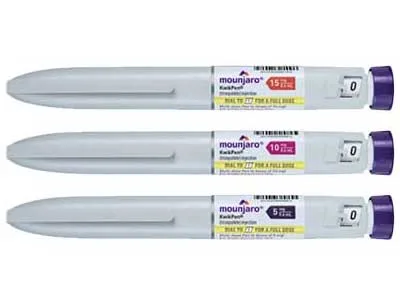
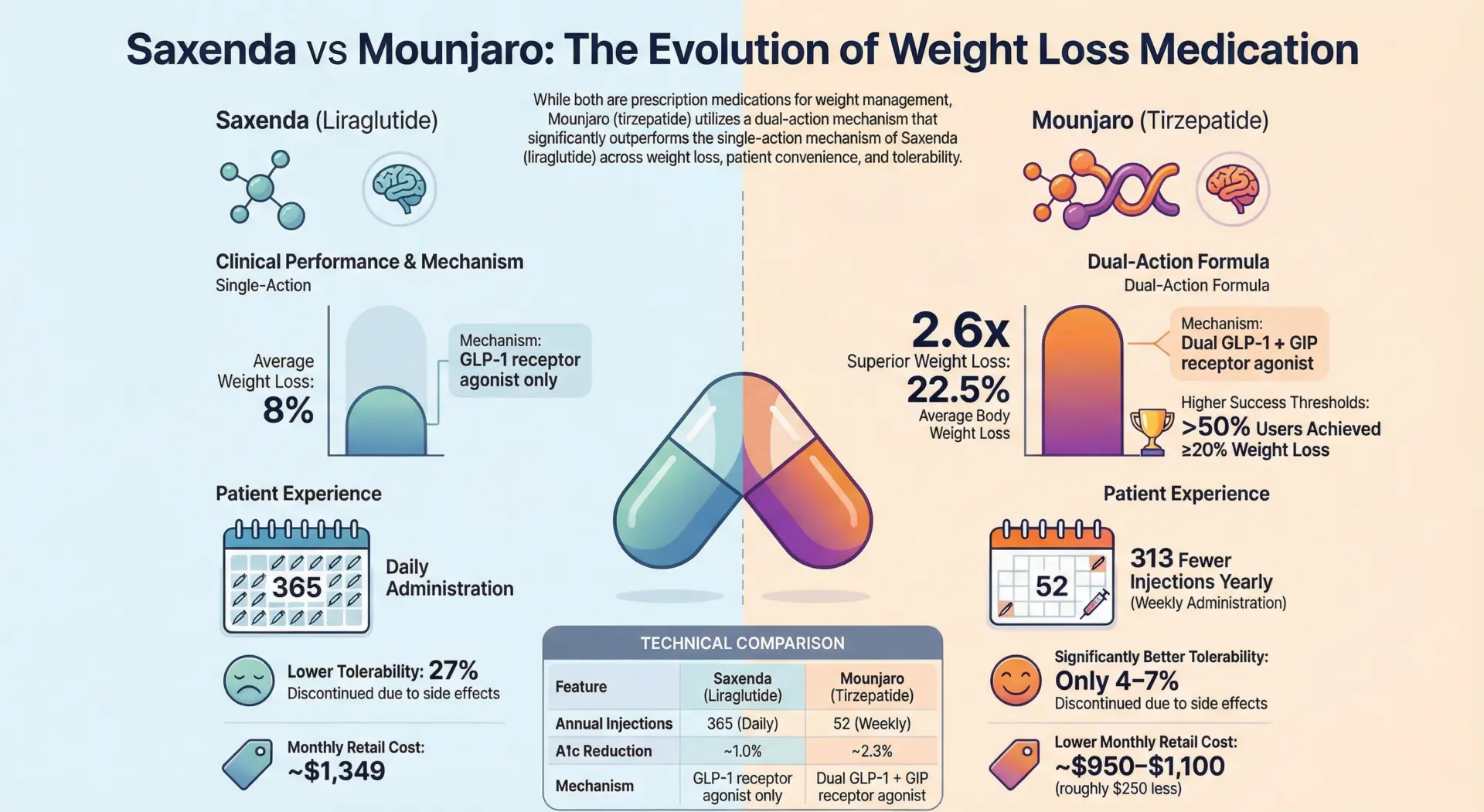
- Tirzepatide: Mounjaro (weekly injection, also GIP agonist).
These drugs often lead to significant weight loss and improved A1C and some agents have demonstrated cardiovascular benefits and lower risk of major heart disease events in high-risk patients.
Common side effects include nausea, vomiting, or other gastrointestinal issues, especially when starting therapy or increasing the dose. GLP-1 receptor agonists are typically used when weight loss, cardiovascular protection or stronger A1C reduction is a priority in the treatment plan.
Best Type 2 Diabetes Medications List 2026
The ‘best’ diabetes medications list in 2026 reflects not only A1C reduction but also impacts on weight, cardiovascular risk, kidney disease and cost. The following table compares three widely used type 2 diabetes medications:
| Medication | A1C Reduction | Weight Loss | Cost/Month |
| Jardiance | 0.8 – 1.0% | 5 – 10 lbs | $144 |
| Ozempic | 1.5 – 2.0% | 10 – 15 lbs | $419.95 |
| Metformin | 1.0 – 1.5% | Neutral | $10 |
Best Type 2 Diabetes Medication Without Side Effects
No diabetes medication is completely free of side effects so ‘best without side effects’ means choosing drugs with the most favorable risk-benefit balance for a specific person. Metformin is often considered among the safest options with long-term use showing low risk of severe hypoglycemia and mainly gastrointestinal side effects that can often be managed with dose adjustments or extended-release versions.
DPP-4 inhibitors are generally well tolerated, weight neutral and carry minimal hypoglycemia risk making them reasonable choices when avoiding side effects is a priority. Healthcare providers weigh risk factors such as kidney disease, liver problems, cardiovascular risk and cost to select medications most patients can tolerate and adhere to over time.
Type 1 Diabetes Medications
Type 1 diabetes is an autoimmune condition in which the pancreas produces little or no insulin so insulin replacement is the core of diabetes treatment. People with type 1 diabetes need daily insulin to keep blood glucose levels within target range and prevent high blood sugar and long-term complications.
Insulin dosing is adjusted based on meals, activity, blood sugar levels and other risk factors, and many patients use continuous glucose monitoring devices to support blood glucose management. While lifestyle choices such as healthy eating and exercise remain important, medication in type 1 diabetes centers almost entirely on insulin.
Best Insulin for Type 1 Diabetes
There is no single “best” insulin for all people with type 1 diabetes; most use a combination of long-acting basal insulin and rapid-acting insulin for meals and corrections.
Long-acting insulins such as insulin glargine or degludec provide a relatively steady background level in the bloodstream while rapid-acting insulin analogs are taken around meals to match carbohydrate intake and lower blood sugar levels afterward.
Insulin Pumps vs Multiple Daily Injections
Insulin pumps and multiple daily injections are two main delivery options for type 1 diabetes. Pumps deliver rapid-acting insulin continuously with programmable basal rates and on-demand boluses, providing flexible glucose levels control and fine-tuning during exercise, sleep or illness.
Multiple daily injections use a combination of long-acting and rapid-acting insulins given with pens or syringes several times per day and can be effective for managing diabetes when used consistently. Pumps can reduce some risks of severe hypoglycemia or high blood sugar by allowing more precise adjustments, but they require training and device costs.
Prediabetes Medications
Prediabetes is a condition where blood sugar levels are higher than normal but not yet in the diabetes range and early intervention aims to prevent or delay type 2 diabetes. In some high-risk patients, healthcare providers may add medication to improve blood glucose levels or address other risk factors like obesity or cardiovascular disease.
Regular monitoring helps determine whether blood glucose remains stable, returns to normal range, or progresses to type 2 diabetes.
Best Prediabetes Medication
For many people with prediabetes, metformin is the most studied medication and can lower blood glucose levels and reduce progression to type 2 diabetes when combined with lifestyle measures.
Metformin helps reduce glucose production by the liver and improves insulin sensitivity, especially in those with high risk, such as younger patients with obesity or women with a history of gestational diabetes.
GLP-1 receptor agonists and other medications may be considered in select cases where weight loss and cardiovascular risk reduction are major concerns, but lifestyle changes remain the primary focus.
Medications for Prediabetes Progression
To delay or prevent progression from prediabetes to type 2 diabetes, healthcare providers may recommend metformin along with a structured program of diet and exercise. Some people may benefit from medications that support weight loss or address cardiovascular risk including GLP-1 receptor agonists in specific high-risk cases.
Monitoring A1C and fasting glucose levels guides when to start or adjust medications as risk changes over time. The goal is to support weight management, improve insulin sensitivity and keep blood glucose as close to normal as possible.
A1C Medications – Best Drugs to Lower A1C
A1C reflects average blood glucose levels over about three months so medications that significantly lower A1C are key in diabetes treatment. Metformin, GLP-1 receptor agonists, SGLT2 inhibitors, DPP-4 inhibitors, sulfonylureas, thiazolidinediones and insulin can all lower blood sugar levels to varying degrees.
When metformin alone does not achieve target A1C, adding another class can help lower blood glucose levels further while balancing risks like hypoglycemia, weight gain or gastrointestinal side effects.
Below is a table comparing A1C effect and side effects for two injectable medications:
| Medication | A1C Drop | Weight Effect | Common Side Effects |
| Trulicity | 1.5–2.0% | Loss | Nausea |
| Mounjaro | 2.0–2.5% | Loss | GI issues |
Trulicity (dulaglutide) is a GLP-1 receptor agonist associated with substantial A1C reductions, weight loss and cardiovascular benefits in some high-risk groups, though nausea and other gastrointestinal problems are common early on.
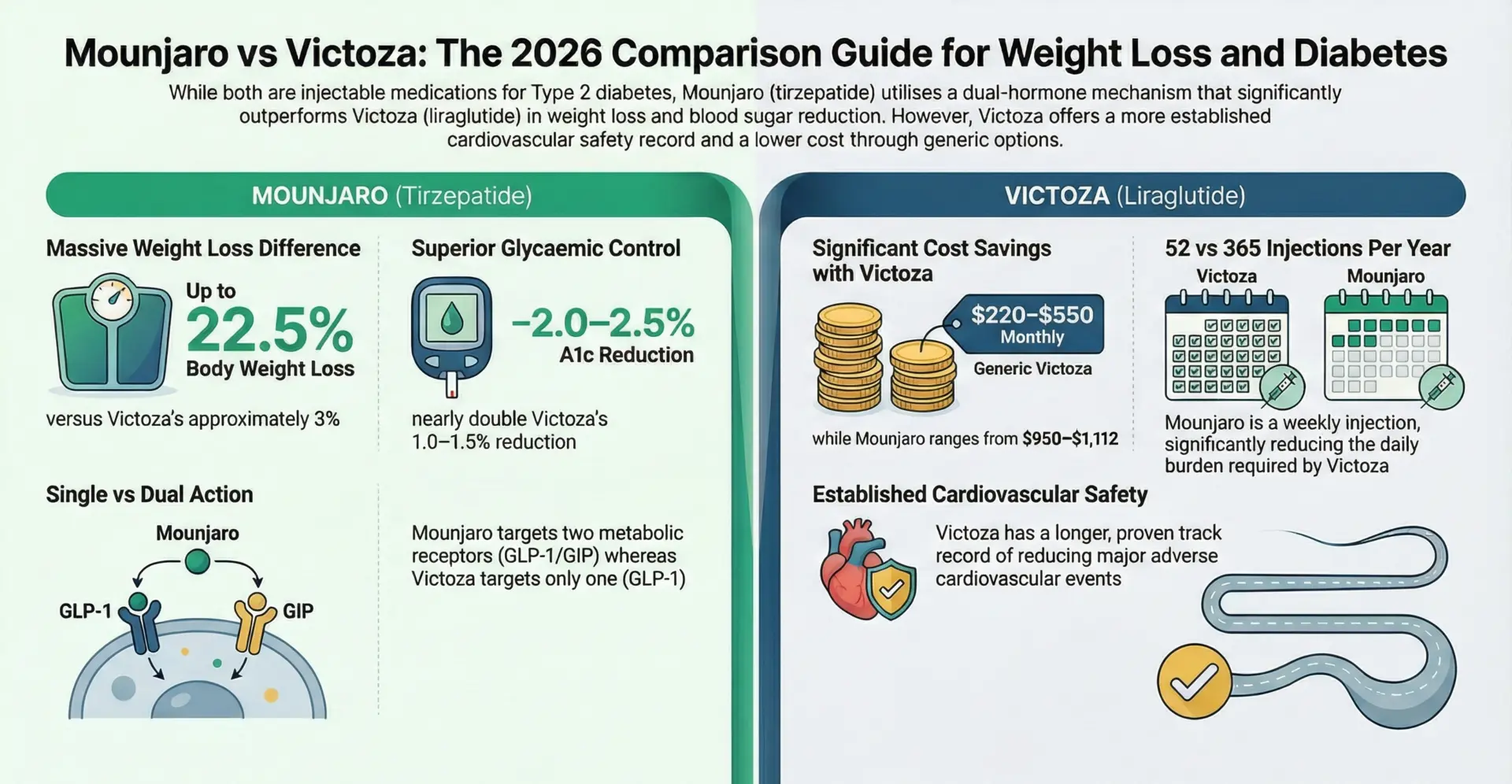
Mounjaro (tirzepatide) is a newer injectable that can lower A1C even more and promote marked weight loss, but GI issues such as upset stomach or diarrhea are frequent.
Diabetes Medications List – Top 10 (2025)
In 2025, healthcare providers often consider a core set of medications as leading options for diabetes management, balancing blood glucose control, cardiovascular benefits, weight effects and safety which includes:
- Semaglutide (Ozempic, Wegovy) – A GLP-1 receptor agonist offering strong A1C lowering, substantial weight loss, and evidence for cardiovascular risk reduction in high-risk patients.
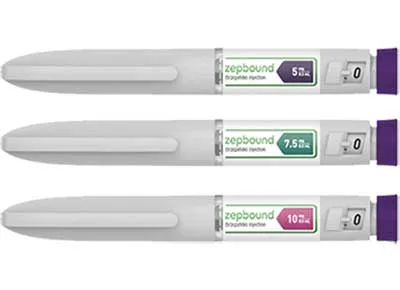
- Tirzepatide (Mounjaro, Zepbound) – A dual incretin injectable with some of the largest A1C drops and body weight reductions observed, used mainly in type 2 diabetes and sometimes for obesity management.
- Empagliflozin (Jardiance) – An SGLT2 inhibitor that lowers blood glucose, supports weight loss, and provides cardiovascular and kidney protection benefits, especially in those with heart failure or chronic kidney disease.
- Metformin ER – Extended-release metformin preserves the A1C-lowering and weight neutral profile of metformin with potentially fewer GI side effects and once-daily dosing convenience.
- Dulaglutide (Trulicity) – A once-weekly GLP-1 receptor agonist that improves blood sugar levels, promotes weight loss, and offers cardiovascular benefits in certain high-risk populations.
- Insulin Glargine (Lantus) – A long-acting basal insulin used in both type 1 and type 2 diabetes when other medications no longer keep blood sugar levels in target range.
- Sitagliptin (Januvia) – A DPP-4 inhibitor that is generally weight neutral, lowers A1C modestly, and carries low hypoglycemia risk, often used in combination with metformin.
- Canagliflozin (Invokana) – Another SGLT2 inhibitor offering similar A1C reductions, weight loss, and kidney and cardiovascular benefits, with a side-effect profile that must be monitored.
- Degludec Insulin (Tresiba) – An ultra-long-acting basal insulin providing very stable blood levels and flexible dosing times, which can lower risk of hypoglycemia for some patients.
- Liraglutide (Victoza) – A daily GLP-1 receptor agonist that lowers A1C, supports weight loss, and has favorable cardiovascular outcomes data in high-risk type 2 diabetes.
These drugs are often combined with lifestyle measures, and many patients require one or more medications concurrently to meet individualized blood glucose and A1C targets.
Best Diabetes Medications for Weight Loss
For people with type 2 diabetes and overweight or obesity, medications that improve blood sugar levels and support weight loss can be particularly helpful.
SGLT2 + GLP-1 Combinations
Combining an SGLT2 inhibitor with a GLP-1 receptor agonist can provide complementary mechanisms for weight loss and blood glucose control. SGLT2 inhibitors promote excretion of glucose and some calories via the urine while GLP-1 receptor agonists reduce appetite, slow stomach emptying and enhance the body’s ability to release insulin in response to high blood sugar.
Drugs to Lower A1C and Weight Loss
Drugs that significantly lower A1C while supporting weight loss include GLP-1 receptor agonists (such as semaglutide, liraglutide, dulaglutide) and dual incretin therapies like tirzepatide. These medications can reduce A1C by 1 – 2.5% and produce notable body weight reductions making them attractive for managing diabetes and obesity together.
SGLT2 inhibitors contribute additional A1C lowering and modest weight loss, especially when combined with metformin.
Diabetes Pill Medications vs Injectables
Diabetes treatment includes both oral medication and injectable medications and each has advantages and limitations. Pills are often easier to start, feel less intimidating and may have lower upfront cost supporting adherence for many patients.
However, injectable medications such as GLP-1 receptor agonists and insulin can provide stronger A1C reductions and greater flexibility in adjusting blood sugar control.
Best Oral Diabetes Medications
Among oral medications, metformin is the foundation because it effectively lowers blood glucose, is weight neutral and has a long safety record. SGLT2 inhibitors and DPP-4 inhibitors are also leading options when additional A1C lowering is needed or when cardiovascular benefits are a priority.
Healthcare providers often use more than one oral diabetes medication together to achieve the best blood glucose management.
Injectable Diabetes Medications List
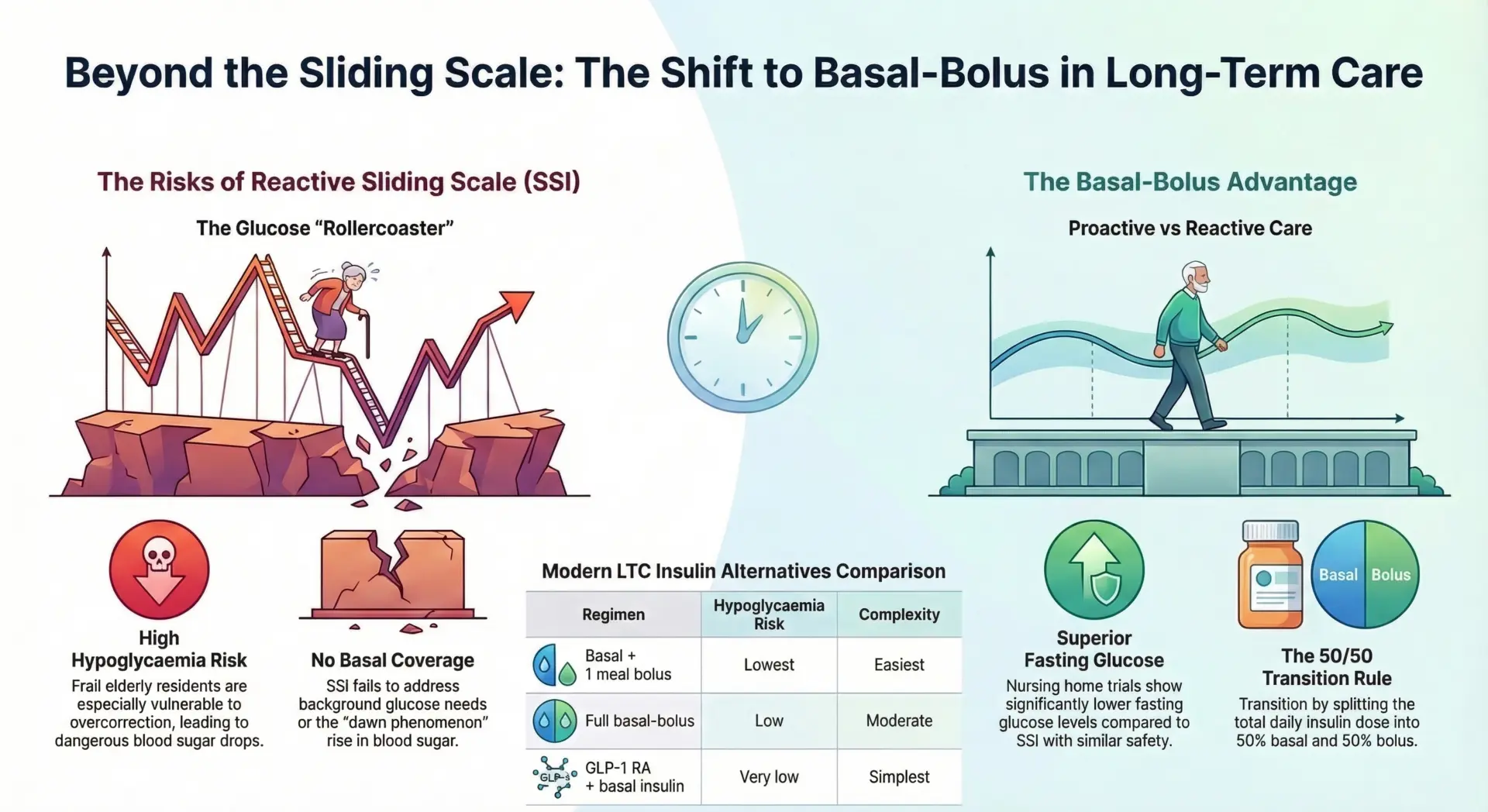
Key injectable medications for diabetes include various basal insulins, rapid acting insulins and GLP-1 receptor agonists such as semaglutide, liraglutide, dulaglutide and tirzepatide. Basal insulins provide a steady background level to hold blood sugar stable between meals and overnight while rapid-acting insulins manage rises in blood sugar after eating.
GLP-1 receptor agonists are used in type 2 diabetes to lower blood sugar, support weight loss and reduce cardiovascular risk in selected high-risk patients. Combination therapy may involve adding insulin to GLP-1 receptor agonists or to existing oral medications when other drugs no longer keep blood glucose in target range.
What Can I Take Instead of Metformin?
People who cannot tolerate metformin due to persistent GI issues or contraindications have several alternative options for managing type 2 diabetes. GLP-1 receptor agonists, SGLT2 inhibitors, DPP-4 inhibitors, sulfonylurea drugs and thiazolidinediones are common choices depending on A1C level, weight goals, cardiovascular risk and kidney function.
Diabetes Medication Side Effects Comparison
Understanding side effects and risks helps patients and healthcare providers choose the right diabetes medications. Different classes can cause gastrointestinal issues, hypoglycemia, weight gain or loss, fluid retention or rare but serious problems like liver issues, kidney failure, or diabetic ketoacidosis.
The table below gives a simplified comparison:
| Medication Type | GI Issues | Hypoglycemia | Weight Gain |
| Metformin | High | Low | Neutral |
| Sulfonylureas | Low | High | Gain |
| GLP-1s | Medium | Very Low | Loss |
Cost Comparison – Diabetes Medications List
Cost and insurance coverage strongly influence which medications patients can consistently use. Generics like metformin are usually far less expensive than newer brand-name agents such as SGLT2 inhibitors or GLP-1 receptor agonists.
| Medication | USA List Price | Our Price |
| Jardiance (Empagliflozin) | $629.43 | $144 |
| Rybelsus (oral semaglutide) | $997.58 | $298 |
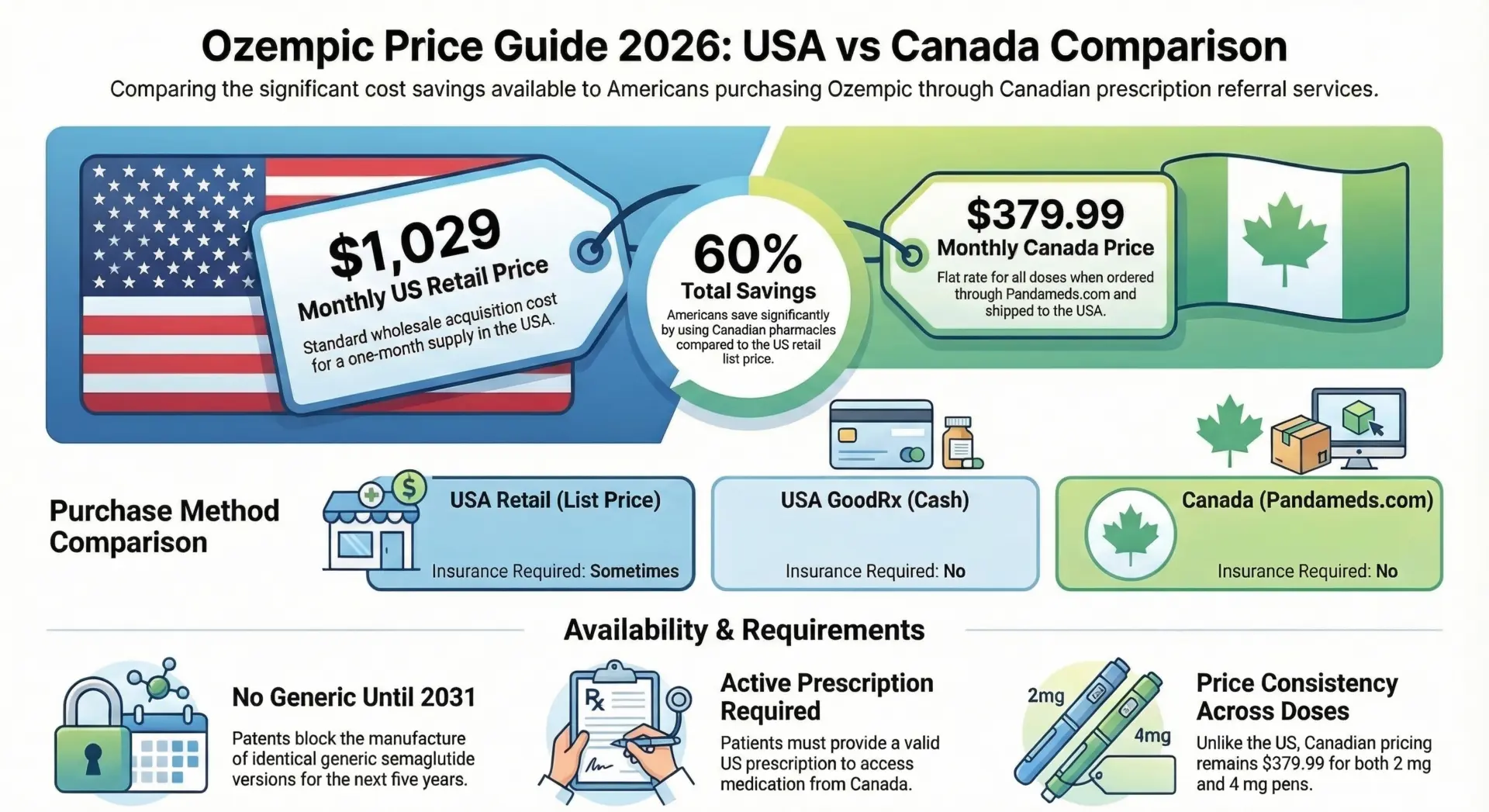
| Ozempic (semaglutide) | $997.58 | $419.95 |
| Mounjaro (tirzepatide) | $1,079.77 | $559.99 |
| Saxenda (liraglutide) | $1,349.02 | $515 |
Disclaimer: This information is intended for general knowledge and informational purposes only and does not constitute medical advice. Always consult with a healthcare professional for personalized guidance.
Written by the Pandameds.com Editorial Team
Our content is created by pharmacy-trained researchers and healthcare specialists and rigorously reviewed by a diverse panel of authentic experts from the pharmaceutical and healthcare fields. This collaborative review process ensures that every article meets the highest standards of medical accuracy, reliability, and relevance.
- ✅ Authored by pharmacy-trained professionals
- 🔍 Reviewed by multiple verified experts in the pharmaceutical and healthcare niche
- 💊 Based on trusted sources including FDA, Health Canada, and peer-reviewed clinical studies
- 🔄 Regularly reviewed and updated every 90 days to maintain accuracy and trustworthiness
About Pandameds.com
Pandameds.com offers a range of weight loss medications at an affordable price.
Fast, Reliable Shipping to the USA!
Affordable Prescription Meds From Canada




Join our mailing list for exclusive promos, curated health content & more.
Related Blog Posts
Call Us Today!
If you have any questions, please email our support team at support@pandameds.com or call us toll-free at 1-888-862-1210.