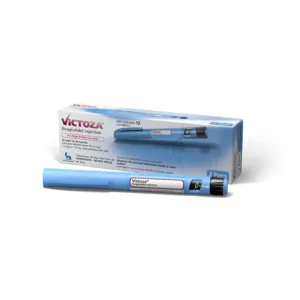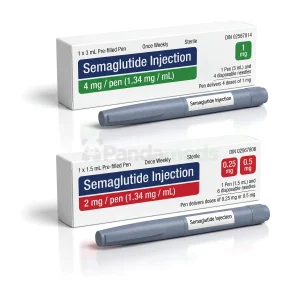
When comparing Victoza (liraglutide) and Ozempic (semaglutide) for diabetes treatment, both injectable medications belong to the same class of drugs known as glucagon-like peptide 1 (GLP 1) receptor agonists. Manufactured by Novo Nordisk, these prescription drugs help treat type 2 diabetes and support weight management and have proven effective in clinical trials for lowering blood sugar levels and reducing the risk of major adverse cardiovascular events.
However, there are significant differences in dosing frequency, efficacy, cost and approved uses that can impact your diabetes care decisions. The most notable difference is that Victoza requires daily injections while Ozempic is administered as a once weekly injection. Clinical data shows Ozempic typically delivers superior glycemic control and weight reduction compared to Victoza.
TL;DR
- Victoza and Ozempic are GLP 1 receptor agonists manufactured by Novo Nordisk that treat type 2 diabetes and help control blood sugar levels
- Ozempic (semaglutide) is a once weekly injection that offers superior weight loss (approximately 13 lbs vs 4 lbs in 30 weeks) and better A1C reduction (-1.8% vs -1.2%) compared to Victoza (liraglutide) which requires daily injections
- Both medications work by mimicking the natural hormone GLP 1 to regulate blood glucose and reduce appetite
- Ozempic shows double the cardiovascular protection (26% vs 13% MACE reduction)
- Victoza is approved for children ages 10 and older while Ozempic is only approved for adults
- Ozempic pens are slightly more expensive per unit while Victoza pens are cheaper upfront but may run out faster due to daily dosing.
- Consult your healthcare provider to determine which diabetes medication best fits your medical history and health condition.
Victoza vs Ozempic: Key Differences
| Metric | Victoza | Ozempic |
| Active Ingredient | Liraglutide | Semaglutide |
| Dosing Frequency | Daily (1.2-1.8mg) | Weekly (0.5-2mg) |
| A1C Reduction | 1.2% | 1.8% |
| Weight Loss | 4-6% body weight | 12-15% body weight |
| Approval | January 2010 | December 2017 |
| Pediatric Use | Ages 10+ | Adults only |
| Generic Available | Yes | No |
| Monthly Cost | $523.98 | $329.95 |
Victoza and Ozempic represent two generations of GLP 1 receptor agonist development. The active ingredient in Victoza is liraglutide which has a half life requiring daily administration. Ozempic contains semaglutide which was engineered with a longer half life of approximately one week enabling the convenience of a once weekly injection.
Ozempic has gained additional approvals that Victoza does not have, including reducing the risk of kidney disease worsening, kidney failure and cardiovascular death in adults with type 2 diabetes and chronic kidney disease (CKD). Both medications are approved to reduce the risk of serious cardiovascular events in people with established heart disease and type 2 diabetes.
Dosing Frequency Impact
The weekly dosing of Ozempic versus daily dosing with Victoza significantly impacts medication adherence. Research indicates that once weekly injection schedules achieve approximately 85% higher adherence rates compared to daily regimens. Missing a Victoza dose can lead to blood sugar spikes while Ozempic’s longer action provides more stable blood glucose control throughout the week.
Weight Loss: Ozempic vs Victoza Results
| Study | Victoza Weight Loss | Ozempic Weight Loss | Duration |
| Clinical Comparison | 4 lbs (1.8%) | 13 lbs (5.9%) | 30 weeks |
| Extended Trials | 5-6% starting weight | 12-15% starting weight | 52-68 weeks |
| Patients ≥5% Loss | 63% | 86% | 30 weeks |
Both Ozempic and Victoza can help patients lose weight as part of their diabetes treatment, though neither Victoza nor Ozempic are officially approved for weight loss (they may be prescribed off-label for this purpose). However, the weight reduction achieved with Ozempic is substantially greater.
Clinical trials have demonstrated that 86% of patients on Ozempic lost at least 5% of their body weight, compared to 63% of patients on Victoza. For patients with weight related health conditions such as high blood pressure or obesity, this difference can be clinically significant.
Why Ozempic Is Superior for Weight Loss
Semaglutide (Ozempic) produces stronger appetite suppression and greater effects on gastric emptying compared to liraglutide (Victoza). The molecular structure of semaglutide allows for enhanced binding to GLP 1 receptors in the brain regions that control hunger and satiety. Both medications work by mimicking a natural hormone called GLP-1, which regulates appetite and feelings of fullness.
A1C Reduction & Heart Benefits
| Outcome | Victoza | Ozempic |
| A1C Reduction | -1.2% to -1.4% | -1.5% to -1.8% |
| MACE Reduction | 13% | 26% |
| Study Name | LEADER | SUSTAIN-6 |
| Study Size | 9,340 patients | 3,297 patients |
Both Victoza and Ozempic have demonstrated significant cardiovascular benefits in large-scale clinical trials. The LEADER trial showed that Victoza reduced the risk of major cardiovascular events (cardiovascular death, nonfatal heart attack, or nonfatal stroke) by 13% compared to placebo in patients with type 2 diabetes and high cardiovascular risk.
The SUSTAIN-6 trial for Ozempic demonstrated even greater cardiovascular protection, with a 26% reduction in major adverse cardiovascular events. For patients with established cardiovascular disease or increased risk factors, both medications offer meaningful protection against serious cardiovascular events including heart attack and cardiovascular death.
Side Effects Comparison
| Side Effect | Victoza | Ozempic |
| Nausea | ~28% | ~44% |
| Vomiting | ~11% | ~22% |
| Diarrhea | ~17% | ~30% |
| Constipation | ~10% | ~15% |
| Discontinuation Rate | ~13% | ~7% |
Both Victoza and Ozempic can cause gastrointestinal side effects such as nausea, vomiting, diarrhea, and constipation. These are the most commonly reported adverse effects for both injectable medications and typically occur during the initial titration period.
Both medications carry similar serious risks: Thyroid C cell tumors (boxed warning), acute pancreatitis, hypoglycemia (low blood sugar), acute kidney injury and allergic reactions. Victoza and Ozempic should not be used by people with a personal or family history of medullary thyroid carcinoma or Multiple Endocrine Neoplasia syndrome Type 2.
Dosage & Administration
| Feature | Victoza | Ozempic |
| Injection Frequency | Daily | Weekly |
| Starting Dose | 0.6mg/day | 0.25mg/week |
| Maintenance Dose | 1.2-1.8mg/day | 0.5-2mg/week |
| Maximum Dose | 1.8mg/day | 2mg/week |
| Titration Period | 2 weeks minimum | 8 weeks minimum |
| Injection Sites | Abdomen, thigh, upper arm | Abdomen, thigh, upper arm |
Both Victoza and Ozempic are administered as subcutaneous injections using prefilled pens. The injections can be given in the abdomen, thigh or upper arm, and should be rotated to prevent injection site reactions. Daily injections with Victoza create a higher risk of missed doses compared to Ozempic’s weekly schedule.
Cost & Availability 2026
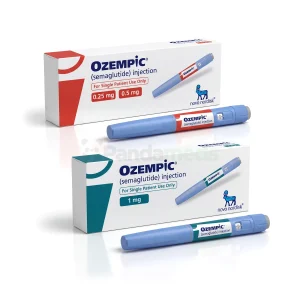
The cost difference between Victoza and Ozempic has narrowed significantly with the introduction of generic liraglutide. At Pandameds, Ozempic (Semaglutide) is available in strengths of 2mg/3mL and 4mg/3mL packaged as a single pen. The price is $329.95 per pen, which typically lasts about four weeks depending on the prescribed dose.
Victoza (Liraglutide) comes in a strength of 18mg/3mL, also packaged as a single pen. The price is $523.98 (4 pens) with usage varying since it is dosed daily rather than weekly..
Conclusion
Both Victoza and Ozempic are effective GLP 1 receptor agonists for treating type 2 diabetes and reducing cardiovascular risk. Ozempic generally offers superior efficacy for blood sugar control, weight loss and cardiovascular protection while Victoza now offers a cost advantage with generic availability and is the only option approved for pediatric patients ages 10 and older.
The choice between these diabetes medications should be made in consultation with your healthcare provider based on your individual health condition, medical history, treatment goals and insurance coverage. Both medications require a prescription and should be used alongside diet and exercise for optimal diabetes treatment outcomes.