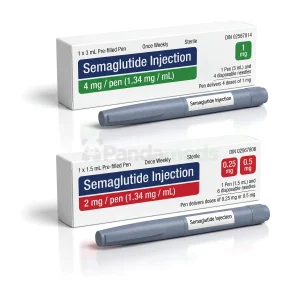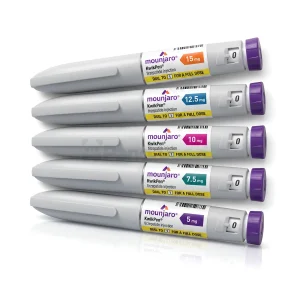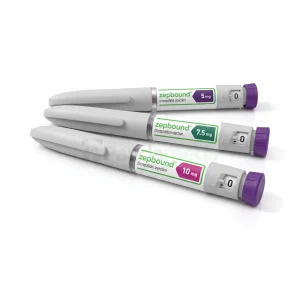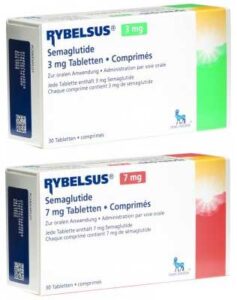
Wegovy starts at 0.25mg weekly for 4 weeks, gradually increasing to the 2.4mg maintenance dose over approximately 4 months. This gradual dose escalation schedule is specifically designed to minimize gastrointestinal adverse reactions, which affect up to 73% of patients treated with Wegovy in clinical trials (FDA Prescribing Information).
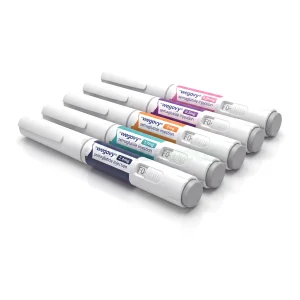
Wegovy is a prescription medication administered subcutaneously once weekly into the abdomen, thigh or upper arm. Each pen contains 4 doses, providing a full month of treatment. The slow titration approach helps approximately 70% of patients reach the full maintenance dose with minimal nausea.
Important: Wegovy requires physician supervision. Inform patients about potential serious side effects including thyroid C-cell tumors, acute pancreatitis, and acute gallbladder disease.
TL;DR
- Wegovy (semaglutide) starts at 0.25mg once weekly for 4 weeks, then escalates every 4 weeks through 0.5mg, 1.0mg, and 1.7mg doses until reaching the 2.4mg maintenance dose by week 17.
- Each single-dose pen delivers exactly 4 weekly injections.
- If you miss a dose and your next scheduled dose is more than 48 hours away, take it immediately; otherwise, skip and resume your regular schedule.
- Always use Wegovy with a reduced-calorie diet and increased physical activity for optimal weight loss results.
Complete 4-Month Dosing Schedule
The Wegovy dosing schedule follows a structured 17-week titration period before reaching the maintenance dose. According to the official Wegovy prescribing information, the dose of Wegovy is escalated every 4 weeks until the target maintenance dose is achieved.
| Month | Weeks | Weekly Dose | Pen Color | Expected Weight Loss |
| 1 | 1-4 | 0.25mg | Yellow | 2-4 lbs |
| 1-2 | 5-8 | 0.5mg | Yellow | 5-8 lbs |
| 2-3 | 9-12 | 1.0mg | Pink | 8-12 lbs |
| 3-4 | 13-16 | 1.7mg | Blue | 12-16 lbs |
| 4+ | 17+ | 2.4mg | Gray | 15-22 lbs (Year 1) |
If you experience severe gastrointestinal adverse reactions during dose escalation, your healthcare provider may recommend delaying dose escalation for 4 weeks. The maintenance dose is either 2.4mg or 1.7mg once weekly, depending on treatment response and tolerability.
Wegovy Pen Details – Exactly 4 Doses Each
Wegovy is available in several dosage forms: 0.25mg, 0.5mg, 1mg, 1.7mg, and 2.4mg. Each single-dose pen is designed for subcutaneous injection and delivers the precise dose automatically no dose selection is required.
| Pen Dose | Color | Total Injections | Storage Rule |
| 0.25mg/0.5mg | Yellow | 4 weekly doses | Refrigerate until use |
| 1.0mg | Pink | 4 weekly doses | Refrigerate until use |
| 1.7mg | Blue | 4 weekly doses | Room temp OK (up to 28 days) |
| 2.4mg | Gray | 4 weekly doses | Room temp <30 days |
Unused Wegovy pens should be refrigerated between 36°F to 46°F (2°C to 8°C). Pens in use can be stored at room temperature (46°F to 86°F or 8°C to 30°C) for up to 28 days. Discard the empty pen after the final dose. Rotate injection sites weekly between abdomen, thigh, and upper arm to help prevent skin irritation or changes in fatty tissue (Wegovy Dosing Schedule).
Weight Loss Timeline By Dose
Weight loss with Wegovy varies by dose and individual response. The STEP 1 clinical trial demonstrated that participants on the 2.4mg dose lost an average of 15% of their starting body weight over 68 weeks.
At the 0.25mg starting dose, weight loss is minimal as this phase primarily builds tolerance to the medication. By the 0.5mg dose, patients typically notice reduced appetite. The 1.0mg dose brings noticeable appetite suppression and steady weight reduction.
At the 1.7mg dose, adult patients experience consistent weight loss of approximately 2-3 pounds per month. The 2.4mg maintenance dose produces maximum effect, with clinical trials showing 15-20% total body weight reduction over the first year.
Weekly Injection Calendar
Planning your Wegovy injections on the same day each week helps maintain consistent blood levels and treatment response. The table below shows what to expect during each phase of the dosing schedule.
| Week Range | Dose | Common Effects | Cumulative Weight Loss |
| 1-4 | 0.25mg | Mild nausea (10-15%) | 2-4 lbs |
| 5-8 | 0.5mg | Appetite reduction begins | 5-8 lbs |
| 9-12 | 1.0mg | GI symptoms typically decrease | 8-12 lbs |
| 13-16 | 1.7mg | Steady weight loss | 12-16 lbs |
| 17+ | 2.4mg | Maximum effect | 15-22 lbs (Year 1) |
Inject at any time of day on your regularly scheduled day, with or without food. The most common side effects of Wegovy include nausea (44% of patients), diarrhea (30%), and vomiting (25%) according to FDA clinical trial data. Healthcare providers may pause dose escalation for an additional 4 weeks if GI adverse reactions are severe. Approximately 70% of patients reach the full 2.4mg dose by month 4.
Advise patients that gastrointestinal adverse reactions typically improve as the body adjusts to treatment. Counsel patients to eat smaller meals, choose bland foods, and stay hydrated during the titration period.
What To Do If You Miss a Dose
If you miss a dose of Wegovy, the action you take depends on timing. According to the official prescribing information:
If your next scheduled dose is more than 2 days away (48 hours): Take the missed dose as soon as possible, then continue your regular weekly schedule.
If your next scheduled dose is less than 2 days away (48 hours): Skip the missed dose entirely and take your next dose on the regularly scheduled day.
Never combine doses or take a double dose; doing so can cause severe side effects including severe abdominal pain, nausea, and hypoglycemia in patients with type 2 diabetes.
Missed Dose Detailed Protocol
The following table provides specific guidance based on how many days have passed since your missed dose:
| Days Late | What To Do | Next Dose Timing |
| 1-4 days | Inject now (if >48hrs to next dose) | Resume regular weekly schedule |
| 5-13 days | Skip the missed dose completely | Next scheduled day |
| 14+ days (2+ weeks) | Contact healthcare provider | May need to restart titration |
If multiple consecutive doses of Wegovy are missed (2 or more weeks), consultation with a healthcare provider is recommended regarding restarting the administration schedule.