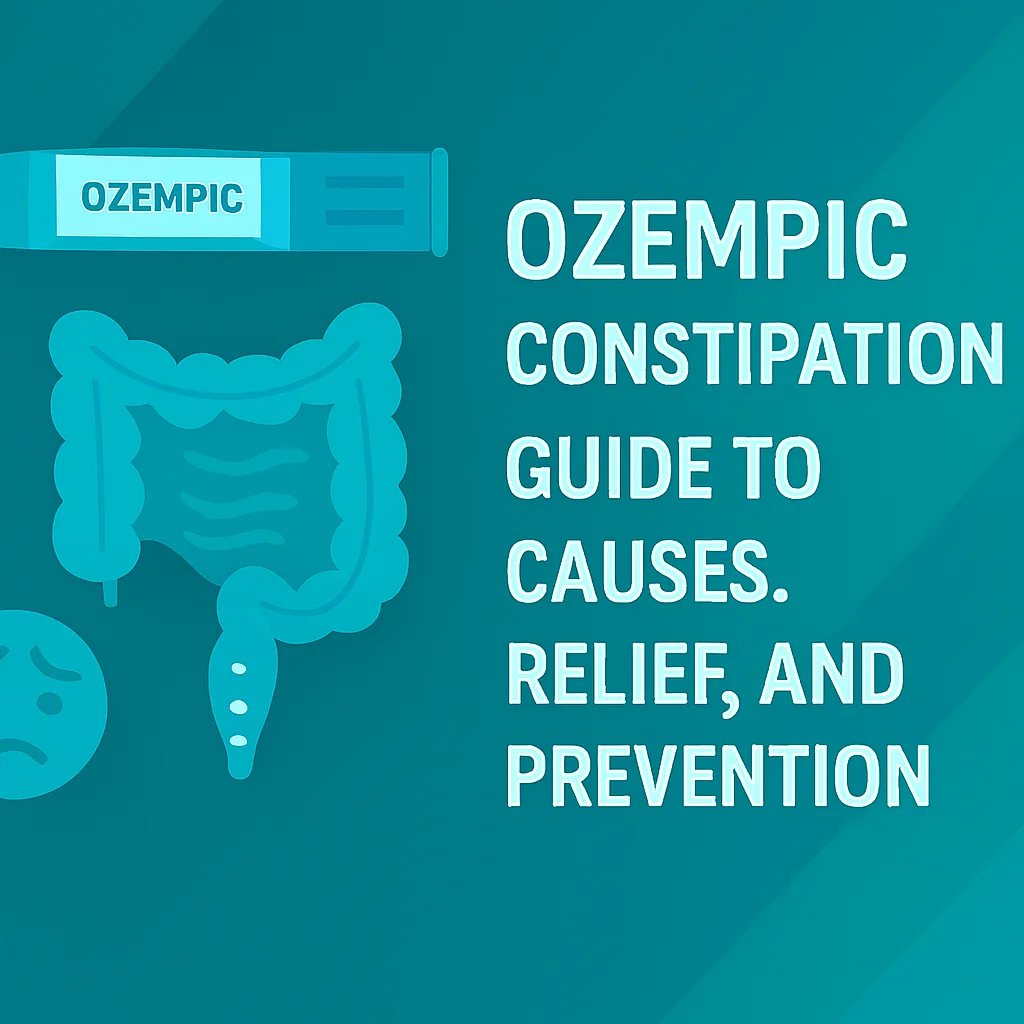

Clinical trials show that constipation is a problem for around 3-13% of people taking Ozempic, and the numbers vary depending on the dose they’re taking. The reason it happens is because Ozempic slows down your digestive system, which is actually a key part of how it works to help you lose weight and control your blood sugar. But unlike other stomach problems caused by the medication, like nausea, constipation can last a long time – in some cases up to 47 days.
TL;DR
- 3-13% of Ozempic users get constipation due to the way the medication slows down your stomach.\
- On average, this problem lasts around 47 days – 7 weeks – and it’s more common when you’re taking it for weight loss.\
- The first thing to try is to eat more fiber (aim for 25-38 grams a day) and drink lots of water (that’s 90-125 ounces a day).\
- There are some over-the-counter medications like polyethylene glycol (MiraLAX) and magnesium oxide that can help.\
- If you’re experiencing really bad abdominal pain, can’t pass gas, or haven’t been to the bathroom in more than 3 days and are worried, you should seek medical help right away.
Does Ozempic Give You Constipation?
Yes, it can cause constipation – it’s one of the medication’s common side effects. How often this happens depends on the dose you’re taking and a few other individual factors. Clinical trials have some pretty specific numbers on just how often this happens.
| Dose | Ozempic (Constipation %) | Placebo(Constipation %) |
| 0.5mg | 5% | 2% |
| 1.0mg | 3-5% | 1-2% |
| 2.0mg (weight loss) | 8-13% | N/A |
Research has shown that constipation is a pretty common side effect of Ozempic, especially in people taking higher doses for weight loss. While nausea is the most common side effect (it’s got some people feeling queasy up to 44% of the time) constipation is a bit less common, but it tends to stick around for longer.
Studies have shown that around 26-32% of Ozempic users have some kind of stomach problem. And when it comes to constipation, the average person is stuck with it for about 47 days – compared to 4 weeks for nausea-related symptoms.
It’s worth noting that the higher doses of Ozempic – the ones people take for weight loss rather than type 2 diabetes – seem to be the biggest contributors to constipation. For people taking standard doses for type 2 diabetes, it’s around 3-5% who get constipation, while people taking the higher doses for weight loss might see it as high as 24-35%.
Why Does Ozempic Give You Constipation?
Understanding how Ozempic causes constipation is a big help in figuring out how to deal with it. The medication affects your gut motility (that’s the movement of muscles in your digestive tract) by slowing down how fast your stomach empties. It’s a big part of how Ozempic helps with blood sugar control and weight loss.
But because your stomach is taking longer to empty, water keeps getting absorbed from your stool as it moves through your intestines – which makes your stool harder, drier and trickier to pass.
GLP-1 Receptor Agonist Mechanism Produces Constipation
When food takes longer to move through your stomach, water continues to be absorbed from your stool as it moves through your intestines. The result is harder, drier stools that are more difficult to pass.
It’s also worth noting that Ozempic’s effect on appetite suppression contributes to constipation. The changes it makes to your gut-brain axis (that’s the communication between your gut and your brain) can also affect your gut motility, leading to constipation.
When people eat less because they’re not feeling as hungry, there’s naturally less food moving through their digestive system – which can slow things down and alter bowel habits.
The higher doses of Ozempic (2.0mg) that people take for weight loss increase the risk of constipation to 8-13% – compared to people taking lower doses for type 2 diabetes. USA clinical trials have actually shown that constipation is more common than diarrhea at maintenance doses, and that people taking Ozempic for weight loss are more likely to experience constipation than those taking it for type 2 diabetes.
Ozempic Constipation Relief
Finding relief from constipation when taking Ozempic is about a combination of making some lifestyle changes and, when needed, using over-the-counter medication. Understanding what works best is a big help in finding relief.
Over-the-Counter Relief Options
| Treatment | Dose | Speed | Cost (USD) |
| MiraLAX (Polyethylene Glycol) | 17g daily | 1-3 days | $20 |
| Magnesium Oxide | 250-500mg | 6-12 hrs | $12 |
| Colace (Docusate Sodium) | 100mg 2x/day | 1-2 days | $15 |
| Prunes | 5-10 daily | 8-12 hrs | $5 |
First-Line Approaches
Managing constipation caused by Ozempic? The first and best thing to do is up your fibre intake. Aim for 25-38 grams a day – that’s a lot of fruit, veg and whole grains. Don’t do it too quickly, or it’ll cause some discomfort, but it’s worth it in the end for easier bowel movements.
And don’t forget about staying hydrated. Recommendations are all over the place, but most say 8 to 16 cups (90-125 fl oz) of fluid daily should do the trick. Drinking a lot of water helps soften your stools and keeps things moving in your tummy. Try to get at least 8 cups a day to keep things flowing.
Over-the-Counter Medications
If dieting isn’t doing it for you, then over-the-counter stuff can help. Here are a few options:
- Polyethylene Glycol (MiraLAX): This is a good choice if you need something to take regularly. It works by drawing water into your colon to help soften your stool.
- Magnesium Oxide: If you’re having trouble with ocasional constipation, then a dose of magnesium oxide at night might do the trick. It works in 6-12 hours, which is pretty handy.
- Stool Softeners (Docusate Sodium): If your stools are being a bit stubborn, then stool softeners like Colace can help make them easier to pass.
- Natural Remedies: If you’re feeling a bit grossed out by all the chemicals, then prunes might be the way to go. Just be aware that eating 5-10 prunes a day might not be the most pleasant thing in the world.
Important Safety Note: Don’t even think about using those stimulant laxatives for more than two weeks without talking to your doc. You might end up dependent on them, and that’s not good.
Ozempic Constipation Prevention
Preventing constipation is way easier than trying to sort it out after it’s happened. People on Ozempic can take a few steps to keep everything regular.
- Dose Titration
When you first start taking Ozempic, try taking a low dose of 0.25mg for a while. This will give your body a chance to adjust to the medication and all the changes it’s making in your tummy.
- Hydration Strategies
Drinking a lot of water is the key to avoiding constipation on Ozempic. Try to get at least 100oz (that’s 12-13 cups) of water a day. This will help your body keep your stool soft and make everything process more smoothly.
- Dietary Fiber
To keep things moving, you need to eat a lot of fibre. Aim for 25-38 grams a day, and make sure you’re getting a good mix of soluble and insoluble fibre. The best foods for this are:
- Soluble Fibre: Oats, beans and fruits are your friends. They’ll help soften your stool and make everything more comfortable
- Insoluble Fibre: Whole grains, veggies and wheat bran are what you need. They’ll add bulk to your stool and get things moving.
Some super useful fibre-rich foods that’ll help you out on Ozempic include prunes, chia seeds, kiwi, whole grains like oats and quinoa, and leafy greens. Just remember to cut back on all the processed foods, which are basically fibre-free.
- Physical Activity
Getting some exercise will help stimulate your gut and keep everything flowing. Try walking for 20 minutes after meals to give your body a bit of a nudge. Aim for moderate exercise for 30 minutes a day to keep things regular.
- Bathroom Routine
Last but not least, make sure you’re taking the right approach when it comes to your bathroom routine. Don’t wait too long between trips (if you know what I mean), and don’t get too stressed about it all. Take it easy and let your body do its thing. Establishing a routine bathroom schedule can really help train your body to have more predictable bowel movements. It’s best to go at the same time every day, especially right after meals, when the gastrocolic reflex is strongest.
Ozempic Constipation – What You Need to Know About Emergencies
While constipation from Ozempic is usually pretty manageable with some simple lifestyle changes and over-the-counter meds, there are some warning signs that you need to watch out for. If you don’t catch these symptoms early, they could potentially turn into some serious health issues.
When to Get Emergency Care
- Severe Belly Pain: If your pain is really bad and not getting any better with pain meds, it might be a sign of a bowel obstruction or something serious.
- Three Days Without a Bowel Movement and Severe Symptoms: Now and then getting backed up isn’t the end of the world, but if you’re really struggling with pain, bloating, or vomiting then you need to get yourself to the emergency room.
- Inability to Pass Gas: If you’re feeling bloated, swollen, and really uncomfortable, and can’t even pass gas, then you need to get some medical help fast.
- Blood in Your Stool: Any rectal bleeding or blood in your stool needs to be checked out by a doctor right away.
- Vomiting That Won’t Quit: If you’re throwing up for more than a day or two, then you need to get some medical advice. It could be a sign of stomach paralysis or a bowel obstruction.
- Abdominal Swelling: If your belly is really bloated and you’re feeling painful, then you need to get to the doctor.
What to Do if Symptoms Aren’t That Bad
Even if you don’t need emergency care, you should still talk to your doctor if:
- You’ve gone more than a week without a bowel movement\
- You’re experiencing some serious pain, vomiting, or bloating that isn’t stopping\
- You’ve tried some lifestyle changes and over-the-counter remedies for more than a few days without getting any better\
- Your constipation is really impacting your quality of life
What’s Considered Normal
It’s possible for some people to go a bit longer between bowel movements – every 2-3 days is normal for some people, especially when they’re on Ozempic. The thing to watch out for is if you’re really struggling to pass your stool or if you’re experiencing any other concerning symptoms. Just because you’re not going as often as you used to doesn’t necessarily mean you need to do anything.
How Long Does Ozempic Constipation Last
Trying to figure out how long you can expect to be dealing with constipation when you’re on Ozempic is helpful for setting some realistic expectations and knowing when to get some extra help from your doctor.
On Average
Constipation from Ozempic tends to last longer than other side effects, on average about 47 days – that’s roughly 7 weeks. This is notably longer than nausea, which usually clears up after about 4 weeks as your body gets used to the medication. The longer duration of constipation is one of the reasons why you need to take it seriously and find ways to manage it.
When Should You Expect Things to Get Better
About 80% of people see their digestive system start to adapt and get better by the 10th week of treatment. Most people find that their gut gradually starts working better as they get used to the slowed down gastric emptying caused by Ozempic. However, the timeline can really vary depending on a few things:
- What Dose Are You On: If you’re on a higher dose for weight loss, you can expect your constipation to last longer than if you were on a lower maintenance dose for diabetes.
- How Long You Take to Get Used to It: Some people’s systems adjust more quickly than others. If you’re one of the lucky ones, you might start to see some improvement sooner.
- How Quickly You Increase Dose: If you take your time getting to the right dose, you might experience symptoms for a shorter period of time than if you jumped right in and started taking a high dose right off the bat.
What Affects the Duration of Constipation
There are a few different factors that can affect how long you’ll be dealing with constipation:
- Medication Dose: If you’re on a higher dose of Ozempic, you’re more likely to experience persistent constipation.
- Diet: People who make an effort to eat more fiber and drink more water tend to have shorter spells of constipation.
- Physical Activity: Regular exercise can really help stimulate gut motility and reduce the duration of your symptoms.
- How Sensitive Your Gut Is: Some people’s digestive systems are more sensitive than others, and might take longer to adjust to the medication.
Long-Term Management
If you’re still dealing with constipation after 10 weeks, then it’s time to talk to your doctor. They can recommend some other strategies to help manage your symptoms, such as prescription medications to stimulate gut motility, adjusting your dosage, or maybe even a referral to a specialist if needed.
References and Resources:
For the most current information about Ozempic and managing its side effects, consult:
Disclaimer: This information is intended for general knowledge and informational purposes only and does not constitute medical advice. Always consult with a healthcare professional for personalized guidance.
Written by the Pandameds.com Editorial Team
Our content is created by pharmacy-trained researchers and healthcare specialists and rigorously reviewed by a diverse panel of authentic experts from the pharmaceutical and healthcare fields. This collaborative review process ensures that every article meets the highest standards of medical accuracy, reliability, and relevance.
- ✅ Authored by pharmacy-trained professionals
- 🔍 Reviewed by multiple verified experts in the pharmaceutical and healthcare niche
- 💊 Based on trusted sources including FDA, Health Canada, and peer-reviewed clinical studies
- 🔄 Regularly reviewed and updated every 90 days to maintain accuracy and trustworthiness
About Pandameds.com
Pandameds.com offers a range of weight loss medications at an affordable price.
Fast, Reliable Shipping to the USA!
Affordable Prescription Meds From Canada




Join our mailing list for exclusive promos, curated health content & more.
Frequently Asked Questions
How long will I have to put up with Ozempic constipation?
For most people, Ozempic-related constipation lasts about 7 weeks (47 days) - after which about 80% of cases sort themselves out by week 10. Bear in mind this can vary depending on the dosage - if you're on a higher dose, the symptoms may stick around for longer.
Why does constipation happen when I am on Ozempic?
It's because GLP-1 receptor agonists like Ozempic slow down your stomach and reduce the movement of stuff through your digestive system. This is part of how the medication helps manage your blood sugar and weight.
When is Ozempic constipation an emergency?
If you're not having a bowel movement for 3 days or more, combined with stomach cramps, unable to pass gas, throwing up constantly, seeing blood in your stool or getting a lot of swelling in your abdomen then you need to get to the emergency room right away. These symptoms could mean you've got a serious blockage or other condition that needs urgent treatment.
How can I stop Ozempic constipation from happening in the first place?
Try drinking at least 100oz of water per day and getting around 25-38 grams of fibre from whole grains, fruits & veggies. Also consider starting with a lower dose & gradually increasing then when you first start taking Ozempic - that might help. And finally, try to get up and move around for about 20 minutes after each of your meals - that can really help stimulate your digestive system.
Is constipation or diarrhea more common with Ozempic?
So far, studies have found that constipation lasts longer than other side effects like nausea which only tends to last for around 4 weeks. And when you're on the higher maintenance doses, there's some evidence that constipation is more common than diarrhea in the US.
What laxatives are safe to use with Ozempic?
MiraLAX (polyethylene glycol) and Colace (docusate sodium) are two of the safest options for long-term use with Ozempic.
Related Blog Posts


Call Us Today!
If you have any questions, please email our support team at support@pandameds.com or call us toll-free at 1-888-862-1210.