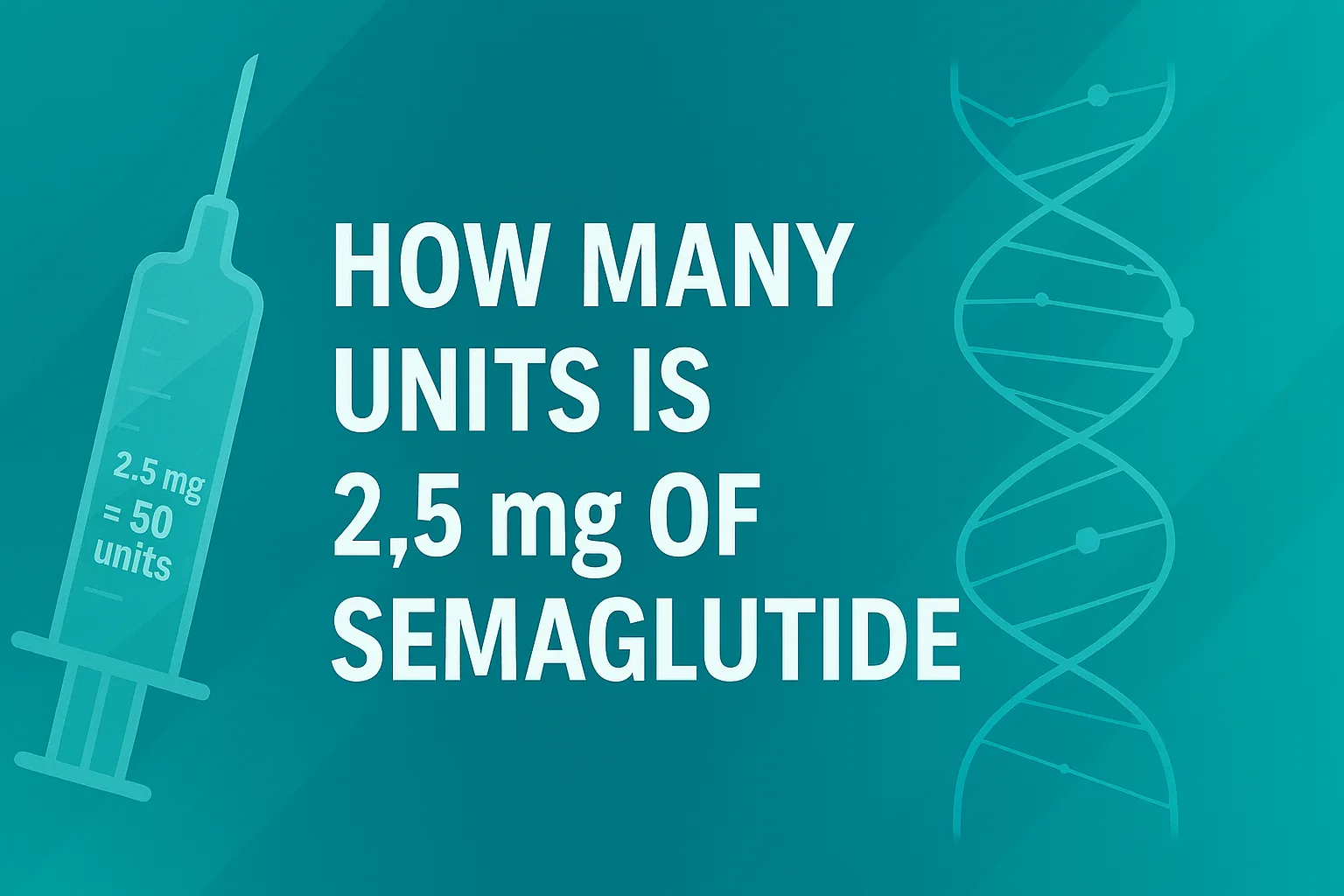

Semaglutide is a prescription medication for type 2 diabetes and weight management that requires precise dosing to ensure its effectiveness and safety. Semaglutide is available in the market as FDA-approved Ozempic and Wegovy (weekly injection pens), Rybelsus (daily oral tablets), and compounded injectable vials from pharmacies.
Converting 2.5 mg of semaglutide to units depends on the concentration of the specific formulation, typically ranging from 93 to 368 units. In this blog, we dive in-depth in explaining calculations, common concentrations, and safety tips for patients following a healthcare provider’s treatment plan.
Quick Facts
Semaglutide doses, such as 2.5 mg, are measured in milligrams (mg). However, when using syringes with compounded semaglutide, patients convert to units based on the concentration in mg/mL. Always verify the medication vial label and consult your pharmacist or doctor for the prescribed dose.
| Concentration | Units for 2.5 mg | Syringe Type | Use Case |
| 0.68 mg/mL | 368 units | Theoretical | Ozempic pens |
| 1.34 mg/mL | 187 units | Theoretical | Ozempic pens |
| 2.68 mg/mL | 93 units | Theoretical | Ozempic pens |
| 1 mg/mL | 250 units | U-100 | Compounded vial |
| 2.5 mg/mL | 100 units | U-100 | Compounded vial |
| 5 mg/mL | 50 units | U-100 | High-concentration |
Step-by-Step Calculations of Semaglutide Units
To determine how many units is 2.5 mg semaglutide, use the formula: Units = (2.5 mg ÷ concentration mg/mL) × 100. This accounts for U-100 insulin syringes where 100 units equal 1 mL.
- Check the vial label for concentration (e.g., “5 mg/mL”)
- Confirm U-100 syringe use as the use of other syringes can lead to errors
- Example: For 5 mg/mL, (2.5 ÷ 5) × 100 = 50 units
- Double-check with pharmacy instructions and rotate injection sites (abdomen, thigh, upper arm) weekly to prevent skin reactions
Wipe the vial top and skin with an alcohol swab before every injection. Semaglutide is administered subcutaneously once weekly, and the needle is small, typically causing minimal pain.
Ozempic Pen Concentrations
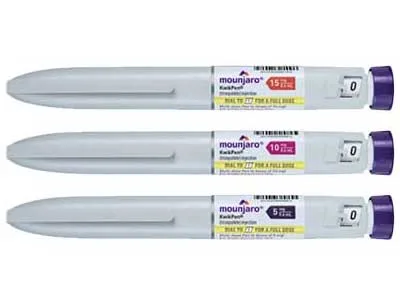
FDA-approved Ozempic pens come in pre-filled single-patient-use devices at concentrations of 0.68 mg/mL, 1.34 mg/mL, and 2.68 mg/mL. These pens clearly display the prescribed dose in milligrams (mg) on a simple dial and not units, allowing straightforward subcutaneous administration once weekly into the abdomen, thigh, or upper arm without needing syringes.
Never attempt to extract semaglutide from Ozempic pens using syringes, as the pens’ internal design and different concentrations can lead to a significant risk of dosing errors – often 5 to 20 times the intended amount due to misreading syringe markings or misunderstanding volume.
Ozempic 2.5 mg Equivalent
A 2.5 mg dose isn’t standard for Ozempic (typical semaglutide doses: 0.25-2 mg). Theoretical conversions are 368 units (0.68 mg/mL), 187 units (1.34 mg/mL), or 93 units (2.68 mg/mL), but pens auto-dose and don’t support extraction. Patients must follow the pen instructions for safe administration.
Compounded Semaglutide 2.5 mg Dosing
Compounded semaglutide refers to custom-prepared versions made by licensed compounding pharmacies, often during FDA shortage for drugs like Ozempic, allowing access to specific formulations such as 2.5 mg doses tailored to individual patient needs for weight loss or diabetes management.
These are typically supplied in multi-dose vials at concentrations like 1 mg/mL, 2.5 mg/mL, or 5 mg/mL, drawn up into U-100 syringes for precise unit measurements, and offered at significantly lower costs when compared to branded options. Unlike FDA-approved pre-filled pens, compounded versions provide dosing flexibility, including additives like vitamin B12 for potential energy support.
Always obtain explicit written dosing instructions from your prescribing doctor or pharmacist, including concentration verification, storage (refrigerate, do not freeze), and technique training to avoid errors like incorrect units leading to nausea or reduced effectiveness.
Conversion Chart
| Concentration | mL for 2.5 mg | Units (U-100) |
| 1 mg/mL | 2.5 mL | 250 units |
| 2.5 mg/mL | 1.0 mL | 100 units |
| 5 mg/mL | 0.5 mL | 50 units |
Store vials in the refrigerator at 36–46°F (2–8°C), avoid freezing to preserve potency, and inspect for clarity or particles before each use – discard if cloudy. Always confirm exact concentration on the label with your pharmacist, as variations affect the actual amount injected.
Dose Escalation Schedule
Semaglutide dosage starts low and follows a gradual dose escalation to improve tolerance, minimize gastrointestinal side effects like nausea, and optimize effectiveness for type 2 diabetes control or weight loss goals. Starting with a low 0.25 mg dose allows the body to adjust to this GLP-1 hormone mimic, which reduces appetite and supports better blood sugar regulation when combined with a healthy diet, regular exercise plan, and weekly weigh-ins.
| Week | Dose | 1 mg/mL Units | 5 mg/mL Units |
| 1-4 | 0.25 mg | 25u | 5u |
| 5-8 | 0.5 mg | 50u | 10u |
| 9-12 | 1.0 mg | 100u | 20u |
| 13+ | 2.5 mg | 250u | 50u |
If a dose is missed by more than 5 days, skip it and resume your regular schedule – do not double up. Consult your healthcare provider if side effects persist, as adjustments ensure the prescribed dose aligns with your specific needs and treatment plan.
Units Chart for All Doses
This comprehensive chart outlines unit conversions for common semaglutide doses across popular compounded concentrations, crucial for precise injection volume without overdose risks.
| Dose | 1 mg/mL | 2.5 mg/mL | 5 mg/mL |
| 0.25 mg | 25u | 10u | 5u |
| 0.5 mg | 50u | 20u | 10u |
| 1.0 mg | 100u | 40u | 20u |
| 1.75 mg | 175u | 70u | 35u |
| 2.5 mg | 250u | 100u | 50u |
Weigh yourself weekly to monitor progress. For FDA-approved weight management (e.g., Wegovy), the maximum maintenance dose is 2.4 mg weekly. Verify your vial’s concentration each time and consult your doctor if unsure about adjustments.
Safety Warnings
Prioritizing patient safety is crucial with semaglutide – always verify the concentration on your medication vial or pen label before every injection to prevent life-threatening errors. Confusing units (which measure injection volume in U-100 syringes) with milligrams (the actual drug amount) can lead to massive overdoses, causing severe nausea, dehydration, or hospitalization.
Monitor closely for serious risks, including:
- Diabetic ketoacidosis (symptoms: persistent nausea, vomiting, fatigue, even with normal blood sugar),
- Acute pancreatitis (intense abdominal pain),
- Thyroid C-cell tumors (family history warning),
- Gallbladder issues (pain after meals).
Seek urgent medical attention immediately for severe abdominal pain radiating to the back, persistent vomiting, or rapid heartbeat. Never share pens, needles, or syringes—even with family. Dispose of all sharps container.
Get hands-on initial injection training and periodic reviews from your healthcare provider, clinic, or pharmacist to master technique and site rotation (abdomen, thigh, upper arm).
Disclaimer: This information is intended for general knowledge and informational purposes only and does not constitute medical advice. Always consult with a healthcare professional for personalized guidance.
Written by the Pandameds.com Editorial Team
Our content is created by pharmacy-trained researchers and healthcare specialists and rigorously reviewed by a diverse panel of authentic experts from the pharmaceutical and healthcare fields. This collaborative review process ensures that every article meets the highest standards of medical accuracy, reliability, and relevance.
- ✅ Authored by pharmacy-trained professionals
- 🔍 Reviewed by multiple verified experts in the pharmaceutical and healthcare niche
- 💊 Based on trusted sources including FDA, Health Canada, and peer-reviewed clinical studies
- 🔄 Regularly reviewed and updated every 90 days to maintain accuracy and trustworthiness
About Pandameds.com
Pandameds.com offers a range of weight loss medications at an affordable price.
Fast, Reliable Shipping to the USA!
Affordable Prescription Meds From Canada




Join our mailing list for exclusive promos, curated health content & more.
Frequently Asked Questions
Is 2.5 mg a standard dose?
No, standard semaglutide doses range from 0.25 mg to 2 mg. 2.5 mg is typically a maintenance dose in compounded formulations for semaglutide weight loss.
Do Ozempic pens use units?
No, pre-filled pens display mg only and unit measurements apply to syringes with compounded semaglutide vials.
What happens on using wrong concentration?
Injecting wrong semaglutide concentration risks 5x dosing errors, leading to severe side effects like nausea or ineffective treatment.
What syringe type should I use?
Use U-100 insulin syringes only as using other syringes can lead to incorrect volume and actual amount injected.
What are ketoacidosis signs?
Nausea, vomiting, fatigue, even with normal blood sugar are some of the symptoms of diabetic ketoacidosis. Seek immediate medical help.
Related Blog Posts

Call Us Today!
If you have any questions, please email our support team at support@pandameds.com or call us toll-free at 1-888-862-1210.