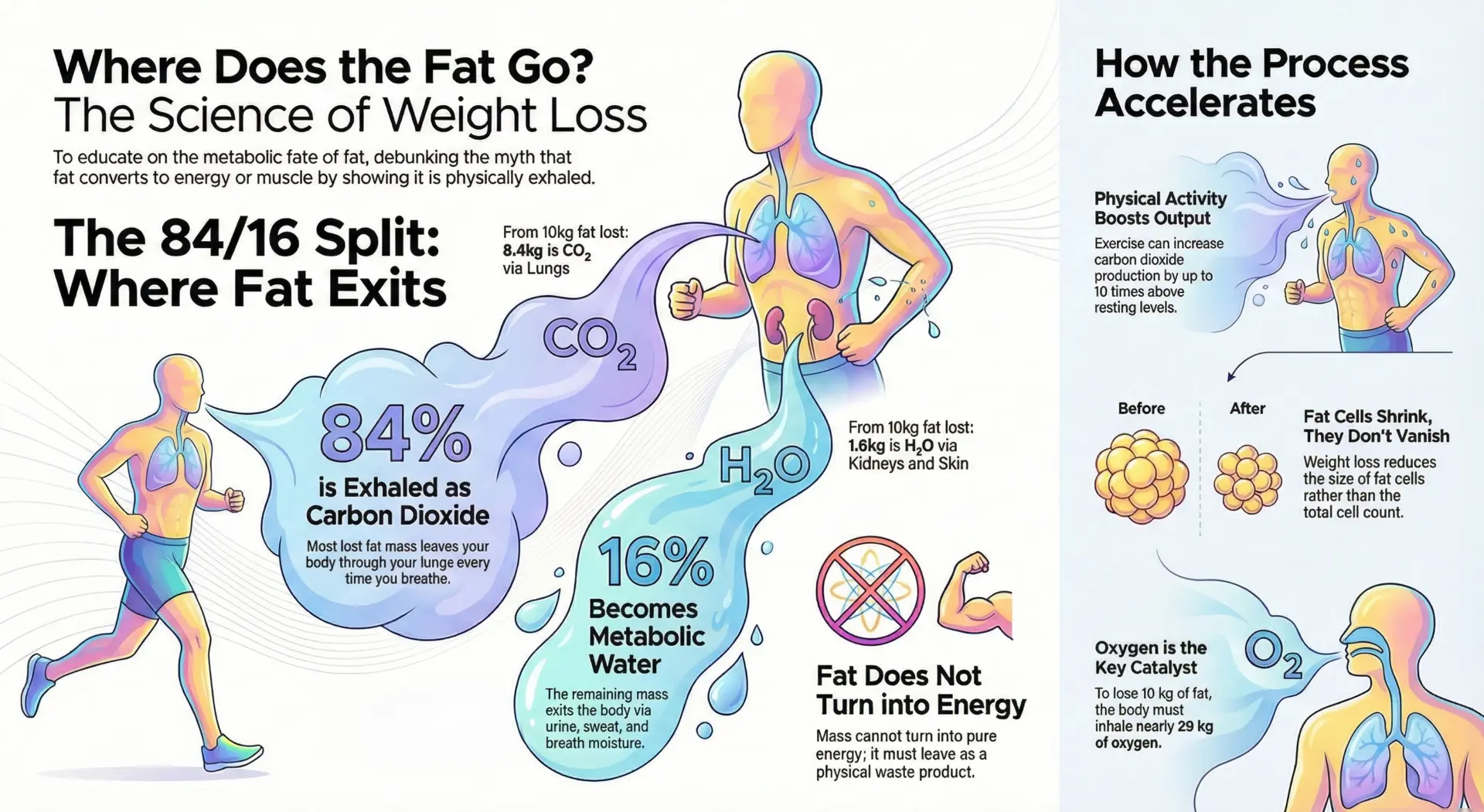

When you lose weight, about 84% of lost fat leaves your body as carbon dioxide through your lungs, while the remaining 16% exits as water via urine, sweat, and breath moisture.
TL;DR – Summary
- Fat does NOT turn into muscle or simply convert to energy, it is chemically broken down into CO2 and H2O that your body excretes.
- GLP-1 medications like Ozempic and Wegovy accelerate fat loss by helping maintain a calorie deficit, which increases how much CO2 you exhale from fat oxidation.
- Fat cells mostly shrink during weight loss rather than disappear, and genetics plus hormones determine where you lose fat first.
The Surprising Answer: You Breathe Out 84% of Fat
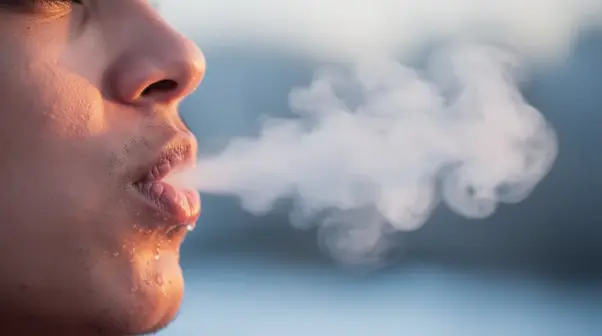
So where does fat go when you lose weight? The correct answer surprises most people: you literally breathe it out. When you lose fat, your body converts stored triglycerides into carbon dioxide and water, not pure energy as popular belief suggests.
A landmark 2014 BMJ study by Ruben Meerman and Andrew Brown from the School of Biotechnology and Biomolecular Sciences at UNSW revealed something striking: over 50% of doctors, dieticians, and personal trainers incorrectly believed fat converts directly to energy or heat. This violates basic physics.
The simplified chemical equation for fat oxidation looks like this:
C₅₅H₁₀₄O₆ (triglyceride) + 78 O₂ → 55 CO₂ + 52 H₂O + energy (ATP)
Here’s what happens when you lose exactly 10 kg of body fat:
- 8.4 kg (84%) becomes carbon dioxide → exits through your lungs
- 1.6 kg (16%) becomes water → exits via urine (~60%), sweat (~25%), and breath moisture (~15%)
The metabolic fate of fat isn’t mysterious, it follows predictable biochemical pathways. Energy is extracted as ATP for your body to use, but the actual mass leaves as waste gases and water you can’t see. This invisibility explains why the process remains confusing to so many.
Fat Metabolism Step-by-Step: Triglycerides → Breath
Understanding how does fat leave your body requires following the metabolic process through four key stages. When losing weight where does the fat go? Through your mitochondria and out your lungs.
Stage 1: Lipolysis – Your body breaks triglycerides stored in adipose tissue into glycerol and three fatty acids using hormone-sensitive lipase. This releases stored energy from fat cells into your bloodstream.
Stage 2: Beta-oxidation – Fatty acids travel to your mitochondria, where they’re chopped into 2-carbon units called acetyl-CoA. This process happens inside your muscle cells and other tissues.
Stage 3: Krebs Cycle – Acetyl-CoA enters the citric acid cycle, producing carbon dioxide, high-energy electrons, and ultimately ATP, the currency your body uses for everything from muscle contraction to hormone production.
Stage 4: Exhalation – The CO2 diffuses from your blood into your lungs and exits with every breath.
Think of it as a pipeline: Fat cell → fatty acids → mitochondria → CO2 (lungs) + H2O (kidneys/skin) + ATP (energy).
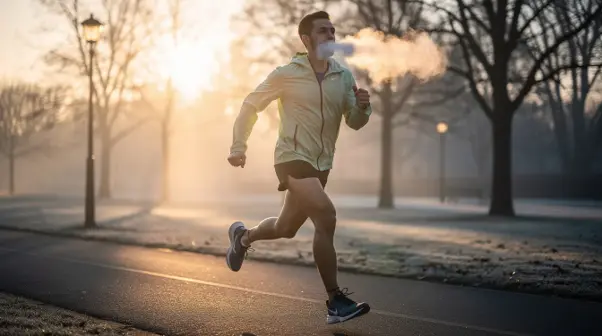
During physical activity, your body starts burning more calories and oxygen consumption increases. Exercise can boost CO2 production up to 10x above resting levels, which directly increases how quickly your body composition changes through fat exhalation.
Where Fat Goes by Exit Route
When you lose fat where does it go? Let’s break it down by exit pathway.
Primary Exit – Lungs (84%): Your lungs serve as the main excretory organ for weight loss. Every breath during a workout contains fat molecules that were once stored in your adipose tissue. Deeper, more frequent breathing during aerobic exercise or a brisk walk triples or quadruples your CO2 output compared to sitting still.
Secondary Exit – Urine (10%): Your kidneys filter the water byproduct of fat metabolism. Adequate hydration is critical because dehydration can slow metabolic rate and limit fat oxidation. Consuming fewer calories works better when your body can efficiently process the byproducts.
Minor Exit – Sweat and Other Bodily Fluids (5%): The remaining water exits through sweat, breath moisture, tears, and other bodily fluids. This is why saunas cause temporary scale drops but don’t create successful weight loss, you’re losing water, not exhaling fat.
Fat does NOT melt off, turn to muscle, or evaporate. It’s chemically converted through a metabolic process and leaves mostly through your breath.
Ozempic/Wegovy Accelerate Fat Exhalation
Where does fat go when you lose it on GLP-1 medications? The same place, CO2 and water, but faster.
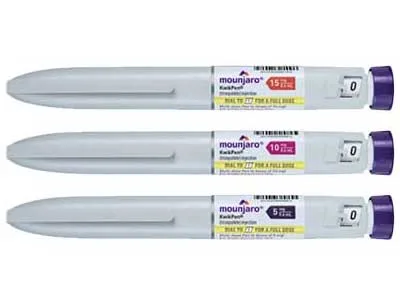
Medications like Ozempic and Wegovy work by reducing appetite, slowing stomach emptying, and improving blood sugar control. This creates a sustained calorie deficit that increases lipolysis. The chain reaction looks like this:
Less food intake → more reliance on fat stores → increased lipolysis → more fatty acids entering mitochondria → higher CO2 production → more fat mass exhaled over time.
Here’s how different approaches compare:
- Diet alone: ~200g CO2/day from fat ≈ 0.2 kg fat loss/week
- Ozempic: ~240g CO2/day ≈ 0.5 kg/week
- Ozempic + regular exercise: ~350g CO2/day ≈ 1 kg/week
A person losing 15% of body weight over 68 weeks on GLP-1 therapy exhales roughly 50 kg of CO2 from fat oxidation across that period. Certain medications don’t change where fat goes, they simply help you maintain a calorie deficit more easily, accelerating how quickly triglycerides become exhaled gas.
Fat Cells Shrink – They Don’t Disappear
How does weight leave your body without reducing fat cell count? Your adipocytes store fat as lipid droplets. During weight loss, those droplets shrink as triglycerides are mobilized and oxidized, but the cells themselves typically persist.
Fat cell number rises from birth through your early 20s, then remains relatively stable throughout adulthood. Here’s what happens:
- Before weight loss: Fat cells are large and full of triglycerides
- After weight loss: Same number of fat cells but significantly shrunken
- If weight is regained: Those smaller cells refill quickly and expand again
As fat cells shrink, leptin production decreases. Leptin suppresses appetite, so less of it means increased hunger and reduced metabolic rate. This hormonal shift explains why maintaining weight loss requires ongoing lifestyle changes rather than temporary dieting.
The yo-yo effect happens because smaller persistent fat cells plus increased appetite predispose you to rapid weight loss reversal and eventual weight gain if habits slip.
Where You Lose Fat First (Genetics + Hormones)
Where is the first place you lose weight? There’s no true spot reduction from targeted exercises, your body mobilizes fat systemically based on stored energy needs.
Genetics and sex hormones shape typical patterns:
- Men: Chest → belly → legs (testosterone pattern)
- Women: Face/thighs/hips → belly → arms (estrogen pattern)
- GLP-1 therapy: Often reduces visceral fat around the liver first
A 3-5% reduction in total body fat can make facial changes visible, sharper cheekbones, more defined jawline. This explains why many people notice it in their face first during their health journey.
Visceral fat around organs responds faster to calorie deficit and resistance training than stubborn subcutaneous fat. Early reductions in deep belly fat improve blood sugar, blood flow through blood vessels, and liver function before dramatic scale changes appear. Eating whole grains, healthy fats, and adequate protein while maintaining physical activity supports this body fat distribution shift.
10 kg Fat Loss = Exactly What You Exhale
To close the loop with real numbers from the BMJ calculations:
When 10 kg of pure body fat is oxidized, you exhale 8.4 kg of CO2 through your lungs and eliminate 1.6 kg of H2O via urine, sweat, and breath. Because oxygen from the air combines with fat during metabolism, the total mass of air you breathe out increases, roughly 28 kg of gases associated with burning 10 kg of stored fat.
Daily example: If someone loses about 0.5 kg of fat per week, that equals exhaling around 420g of CO2 from fat daily.
The scale drops because carbon and hydrogen atoms that made up your body fat leave as invisible gases and water. No magic, just biochemistry you can’t see. Your overall health improves as these fat stores decrease, whether through diet changes, light activities, or more energy expenditure from exercise.
Disclaimer: This information is intended for general knowledge and informational purposes only and does not constitute medical advice. Always consult with a healthcare professional for personalized guidance.
Written by the Pandameds.com Editorial Team
Our content is created by pharmacy-trained researchers and healthcare specialists and rigorously reviewed by a diverse panel of authentic experts from the pharmaceutical and healthcare fields. This collaborative review process ensures that every article meets the highest standards of medical accuracy, reliability, and relevance.
- ✅ Authored by pharmacy-trained professionals
- 🔍 Reviewed by multiple verified experts in the pharmaceutical and healthcare niche
- 💊 Based on trusted sources including FDA, Health Canada, and peer-reviewed clinical studies
- 🔄 Regularly reviewed and updated every 90 days to maintain accuracy and trustworthiness
About Pandameds.com
Pandameds.com is a prescription referral service and help U.S. patients to access affordable and authentic weight loss medications.
Fast, Reliable Shipping to the USA!
Affordable Prescription Meds From Canada




Join our mailing list for exclusive promos, curated health content & more.
Frequently Asked Questions
Does breathing more (like hyperventilating) make you lose fat faster?
Simply breathing faster while sitting does not significantly increase fat loss. Your muscles aren’t using more energy, so you’re just blowing off CO2 from blood without oxidizing extra fat. Meaningful fat loss requires increased energy expenditure, walking, cycling, or resistance training, combined with consuming fewer calories. Hyperventilation carries risks like dizziness and fainting. Safe, sustained movement is how your body works to increase CO2 exhalation from fat.
Can you lose fat without exercising if you just eat less?
Yes. You can lose fat through diet alone if you maintain a calorie deficit, because your body will oxidize stored fat to cover the energy gap. Fat still leaves as CO2 and H2O, but the rate is usually slower than combining diet with exercise. Adding even light activities preserves muscle mass and helps prevent muscle loss while modestly increasing daily CO2 exhalation from fat.
Do saunas or sweating more help you lose more fat?
Saunas primarily cause water loss through sweat, which temporarily lowers body weight but doesn’t significantly increase fat oxidation. Only about 5% of fat-loss byproducts leave through sweat, the rest exits through breathing. While saunas can aid relaxation, they shouldn’t replace nutrition changes and exercise for fat metabolism.
What happens to visceral fat around organs when you lose weight?
Visceral fat around your liver and intestines is metabolically active and often responds quickly to a calorie deficit. Its triglycerides break down and exit as CO2 and H2O like other body fat. Reductions in visceral fat improve blood pressure, insulin sensitivity, and liver health, sometimes before large scale changes appear. GLP-1 medications and healthy lifestyle changes can be particularly effective here.
Is there any way to permanently remove fat cells?
Lifestyle-based weight loss shrinks existing fat cells but doesn’t remove them. They remain ready to refill if calorie intake exceeds expenditure long-term. Procedures like liposuction can physically remove fat cells in specific areas, but they don’t prevent fat storage elsewhere if overall habits don’t change. Long-term weight stability comes from sustainable eating, regular exercise, quality sleep, and stress management, not just reducing fat cell number.
Related Blog Posts
Call Us Today!
If you have any questions, please email our support team at support@pandameds.com or call us toll-free at 1-888-862-1210.