
Semaglutide sulfur burps are belches that produce a distinct, unpleasant rotten egg smell caused by hydrogen sulfide gas in the digestive tract. This side effect occurs when medications like Ozempic, Wegovy, and Mounjaro slow gastric emptying, leading to increased fermentation of food by gut bacteria.
Clinical trials show that burping affects approximately 9% of semaglutide users compared to less than 1% of placebo recipients, with the symptom ranging from 3% to 13% depending on dosage. Sulfur burps typically occur during treatment initiation or after dose adjustments, when the digestive system experiences the most significant changes in gastric motility.
The prevalence of sulfur burps among Ozempic users varies, as not everyone experiences this side effect due to individual differences in gut bacteria composition and dietary habits. These gastrointestinal side effects are typically worse when starting treatment or after a dosage increase, but usually subside as the body adjusts to the medication within 4-8 weeks.
TL;DR
- Semaglutide sulfur burps are belches with a rotten egg smell caused by hydrogen sulfide gas production when GLP-1 medications slow gastric emptying.
- About 3-9% of users experience this side effect, typically during the first month or after dose increases.
- Relief strategies include eating smaller meals, avoiding sulfur-rich foods, staying hydrated, and using over-the-counter remedies like bismuth subsalicylate or simethicone.
- Most cases resolve within 4-8 weeks as the body adjusts to the medication.
Why Semaglutide Causes Sulfur Burps
Semaglutide slows gastric emptying by mimicking the effects of GLP-1, a hormone that regulates glucose homeostasis and satiety. This delayed stomach emptying keeps food in the stomach longer, allowing gut bacteria more time to ferment sulfur-containing foods and produce hydrogen sulfide gas. When hydrogen sulfide gas builds up in the gastrointestinal tract, it escapes as burps with the characteristic rotten egg smell that defines sulfur burps.

Science Behind Rotten Egg Burps
The digestive system normally produces some hydrogen sulfide during the bacterial breakdown of proteins, but GLP-1 receptor agonists amplify this process by significantly slowing the rate at which food moves from the stomach into the small intestine. Studies show that liraglutide 3.0 mg reduces gastric emptying by 23% at the 1-hour mark compared to placebo, while lower doses show a 13% decrease.
This prolonged retention of food increases fermentation in the gut, producing more hydrogen sulfide gas that causes sulfur burps. The gut microbiome may shift as the body adjusts to semaglutide, potentially affecting sulfur burp occurrence over time.
First Month Peak
Sulfur burps can occur in some people who take Ozempic, particularly when starting the medication or increasing the dose during the first month. Gastrointestinal issues like nausea, vomiting, diarrhea, stomach pain, and constipation are common symptoms experienced by people taking semaglutide, with these side effects most pronounced during dose escalation.
The majority of reports of nausea, vomiting, and diarrhea occurred during dose escalation periods in clinical trials. Some people may experience gastrointestinal side effects more during dose increases, while others may experience them throughout treatment depending on individual tolerance.
Ozempic vs Wegovy vs Mounjaro Sulfur Burps
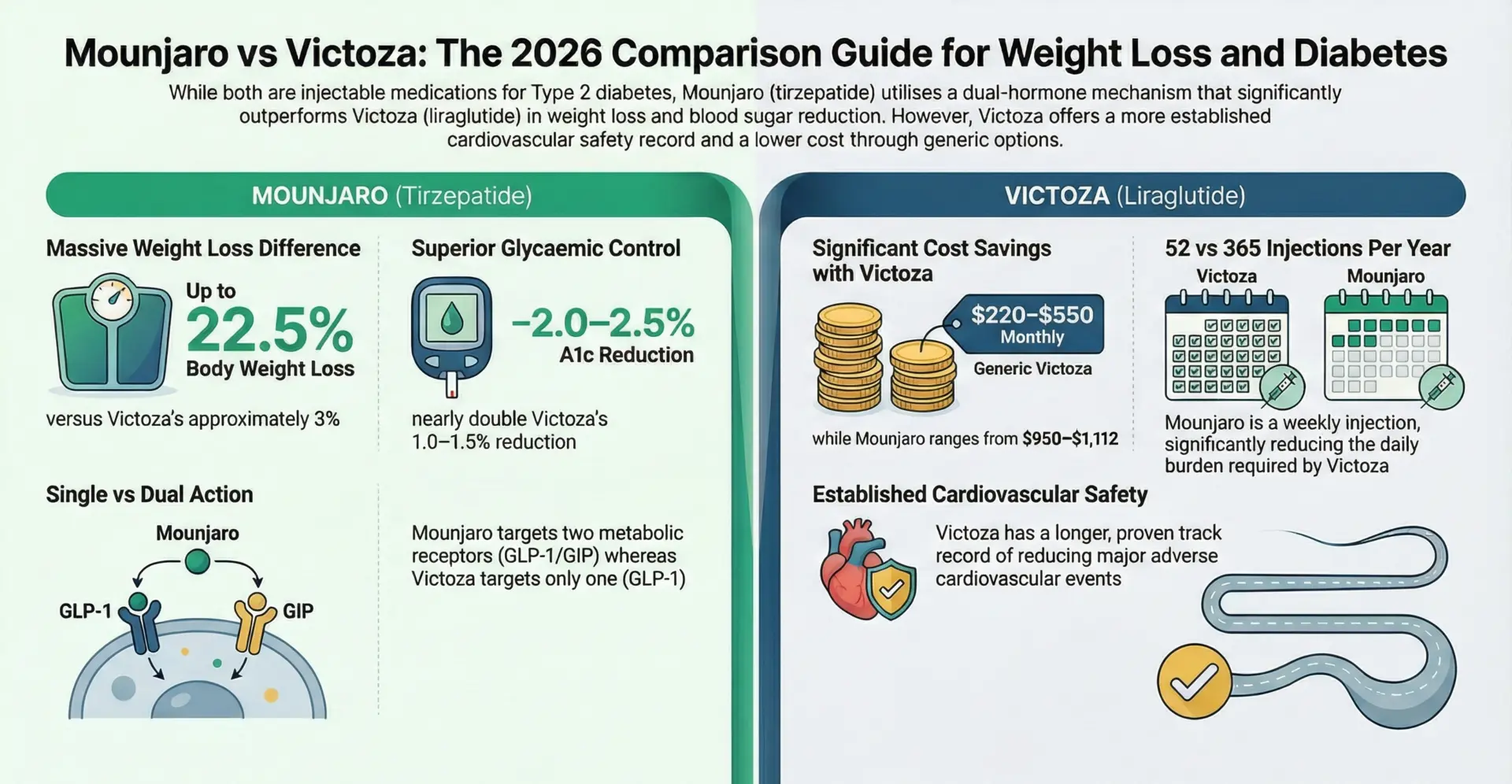
Different GLP-1 medications show varying rates of sulfur burps based on their formulations and dosing schedules. While Ozempic and Wegovy both contain semaglutide, their different dosing protocols for diabetes versus weight loss may influence side effect experiences. Mounjaro contains tirzepatide, which acts on both GLP-1 and GIP receptors, potentially creating a different side effect profile.
| Medication | Active Ingredient | Burping Rate | Primary Use | Gastric Emptying Effect |
| Ozempic | Semaglutide | 2.7-9% | Type 2 Diabetes & Weight Loss | Significant delay |
| Wegovy | Semaglutide | 7% | Weight Loss | Significant delay |
| Mounjaro | Tirzepatide | ~9% | Type 2 Diabetes & Weight Loss | Dual receptor effect |
Clinical trial data from the FDA shows that eructation (burping) occurred in 2.7% of patients on Ozempic 0.5 mg and 1.1% on the 1 mg dose. In clinical trials of Wegovy, 7% of people reported an increase in burping while on the medication. Both semaglutide and tirzepatide are listed by the FDA as having eructation as a possible side effect.
7 Semaglutide Sulfur Burps Remedies
Managing sulfur burps requires a combination of dietary adjustments, over-the-counter medications, and lifestyle changes to reduce hydrogen sulfide gas production in the digestive tract. Dietary and lifestyle changes can significantly minimize sulfur burps by addressing both the fermentation process and gas buildup.
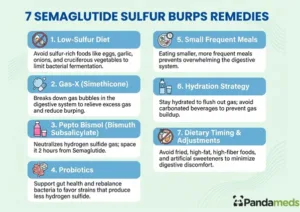
1. Low-Sulfur Diet
Avoiding sulfur-rich foods can help in reducing sulfur burps by limiting the substrate available for bacterial fermentation in the digestive tract. Foods high in sulfur, such as eggs, garlic, onions, and cruciferous vegetables, can increase the likelihood of sulfur burps. Eating sulfur-rich foods can lead to the production of more hydrogen sulfide in the digestive tract, causing sulfur burps.
Other high sulfur foods to avoid include dairy products, protein-rich foods, and certain fermented foods that contribute to gas production. Dietary adjustments, such as avoiding high-sulfur foods, can help manage sulfur burps associated with semaglutide.
2. Gas-X (Simethicone)
Over-the-counter medications like simethicone can help relieve gas and reduce sulfur burps by breaking down gas bubbles in the digestive system. Simethicone works by reducing surface tension of gas bubbles, allowing them to combine and be expelled more easily through flatulence rather than burping. This medication does not prevent gas formation but helps manage excess gas that has already formed in the gastrointestinal tract.
3. Pepto Bismol (Bismuth Subsalicylate)
Bismuth subsalicylate can provide rapid relief from sulfur burps by neutralizing hydrogen sulfide gas in the digestive system. This over-the-counter medication binds to hydrogen sulfide, preventing the rotten egg smell characteristic of sulfur burps. When using bismuth subsalicylate with semaglutide, maintain a 2-hour spacing between medications to avoid potential absorption interactions.
4. Probiotics
Probiotic supplements may help improve digestion and reduce sulfur burps by supporting gut health and promoting beneficial bacteria in the digestive system. The gut microbiome composition influences how much hydrogen sulfide gas is produced during fermentation. Natural digestive aids like probiotics can help rebalance gut bacteria to favor strains that produce less hydrogen sulfide during protein breakdown.
5. Small Frequent Meals
Eating smaller, more frequent meals can help prevent your digestive system from getting overwhelmed and reduce sulfur burps. This approach reduces the gastrointestinal side effects of Ozempic by limiting the volume of food in the stomach at any given time. Staying hydrated helps food move through your stomach and intestines, which can stop gas from building up and causing sulfur burps. Dietary adjustments to manage sulfur burps include eating smaller meals, avoiding sulfur-rich foods, and staying hydrated.
6. Hydration Strategy
If you stay hydrated it can improve digestion and help in reducing sulfur burps by flushing out hydrogen sulfide gas from the digestive system. Staying hydrated is important while on Ozempic because side effects like diarrhea and vomiting can lead to fluid loss. Adequate water intake supports faster gastric emptying and reduces the time food spends fermenting in the stomach. Avoiding carbonated beverages is important because carbonated drinks can contribute to gas buildup since they contain carbon dioxide, which can lead to more frequent burping.
7. Dietary Timing
Avoiding fried foods and artificial sweeteners can help minimize digestive discomfort associated with delayed gastric emptying. Dietary adjustments, such as avoiding high-fat and high-fiber foods, can help manage diarrhea caused by Ozempic while also reducing fermentation that leads to sulfur burps. Eating foods high in easily digestible nutrients rather than complex proteins can reduce the substrate available for hydrogen sulfide production.
Do Sulfur Burps Go Away?
Most people find that sulfur burps persist for 4-8 weeks before resolving as the body adjusts to semaglutide. The timeline for improvement varies based on individual factors including dosage, diet, and gut microbiome composition. These gastrointestinal side effects typically improve within the first 2 months of treatment as physiological adaptation occurs.
Expected Timeline:
- Weeks 1-4: Peak intensity, especially after starting medication or dose increases
- Weeks 4-8: Gradual improvement as the body adjusts to delayed gastric emptying
- Week 8+: 80% of cases show significant resolution
- Persistent cases: May require dose adjustments or alternative treatments
Sulfur burps are normal on Wegovy and other GLP-1 medications as the digestive system adapts to slower gastric motility. The benefits of semaglutide for diabetes management and weight loss, as demonstrated in clinical trials, generally outweigh temporary digestive discomfort for most patients.
Red Flags & When to Contact Your Healthcare Provider
Severe or persistent symptoms should prompt consultation with a doctor to rule out conditions like acid reflux, gastroesophageal reflux disease, or gallbladder disease. While sulfur burps are typically benign, certain warning signs indicate more serious gastrointestinal complications that require medical evaluation.
Contact your healthcare provider immediately if you experience:
- Severe abdominal pain accompanied by persistent vomiting, which could indicate pancreatitis or bowel obstruction
- Severe pain that worsens or doesn’t improve with dietary adjustments or over-the-counter medications
- Persistent or severe symptoms lasting beyond 8 weeks despite implementing dietary and lifestyle changes
- Signs of small intestinal bacterial overgrowth (SIBO), including chronic bloating, severe diarrhea, and malabsorption symptoms
- Blood in vomit or bowel movements, indicating potential gastrointestinal bleeding
- Other symptoms like severe stomach pain, fever, or signs of dehydration from persistent vomiting or diarrhea
If diarrhea is severe or persistent, it is important to contact a healthcare provider for further evaluation and management. Diarrhea is a well-documented side effect of Ozempic, affecting around 9% of users according to clinical trials, and can worsen diarrhea when combined with certain dietary choices. More patients receiving Ozempic 0.5 mg (3.1%) and Ozempic 1 mg (3.8%) discontinued treatment due to gastrointestinal adverse reactions compared to placebo (0.4%).
Lower-Burp Alternative Treatments
For patients who cannot tolerate semaglutide due to persistent sulfur burps or other gastrointestinal side effects, alternative GLP-1 medications or weight loss medications may offer better tolerability. Different formulations and delivery methods can produce varying side effect profiles.
Alternative GLP-1 Options:
- Rybelsus (oral semaglutide): While sulfur burps are not officially listed as a side effect, some patients report them due to the medication’s effect on slowing gastric emptying. The oral formulation may have different absorption characteristics that influence gastrointestinal tolerability.
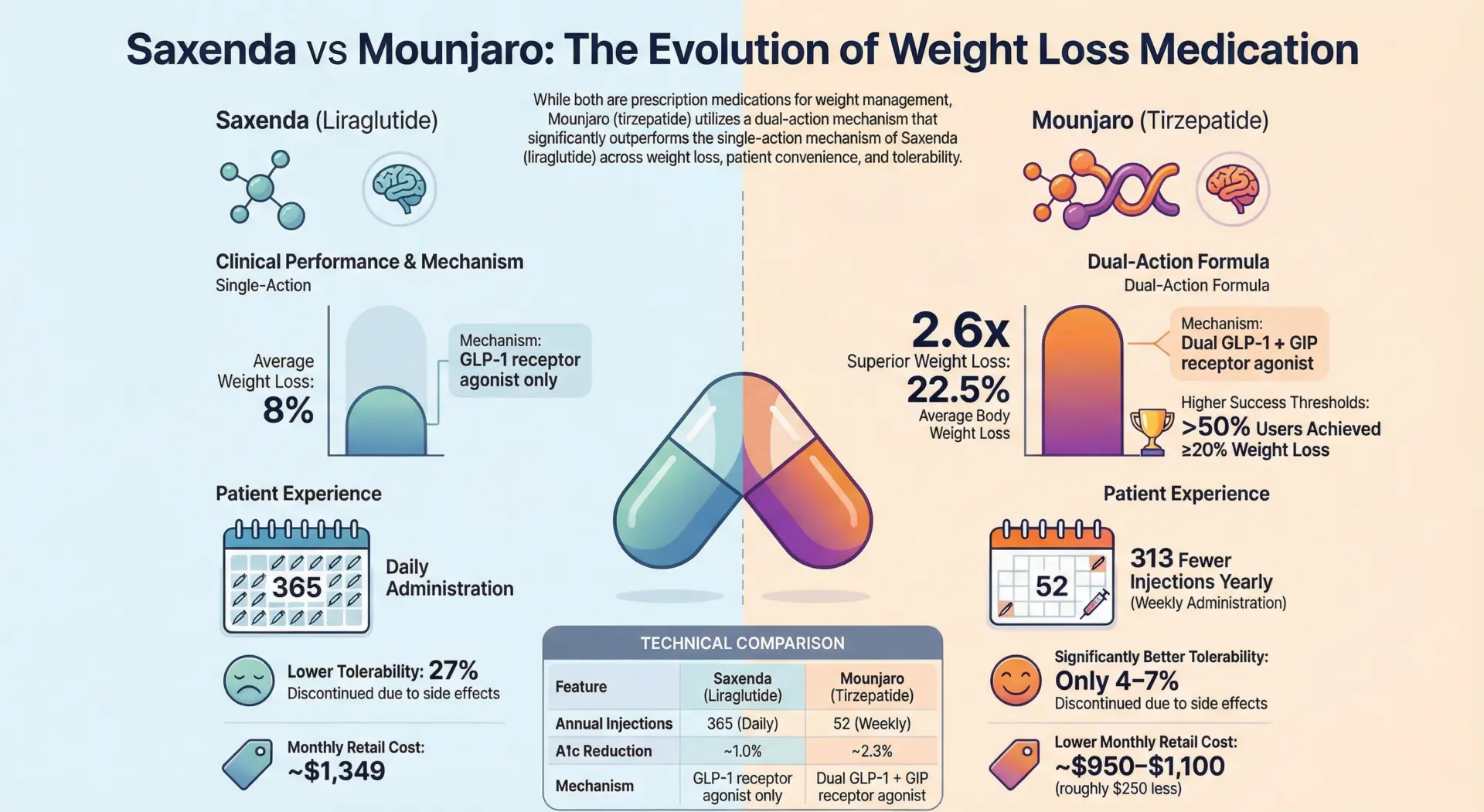
- Saxenda (Liraglutide): Shows a 13% reduction in gastric emptying at the 1-hour mark with lower doses compared to semaglutide, potentially causing fewer burping issues
- Dose adjustments: Working with your healthcare provider to find the optimal dose that balances efficacy with tolerability can help manage side effects
Other medications in the GLP-1 class may have different side effect profiles, and your healthcare provider can help determine the best option based on your individual response and health goals. Alternative treatments should be discussed with a healthcare provider to ensure proper blood sugar control or weight loss while minimizing digestive discomfort.
Disclaimer: This information is intended for general knowledge and informational purposes only and does not constitute medical advice. Always consult with a healthcare professional for personalized guidance.
Written by the Pandameds.com Editorial Team
Our content is created by pharmacy-trained researchers and healthcare specialists and rigorously reviewed by a diverse panel of authentic experts from the pharmaceutical and healthcare fields. This collaborative review process ensures that every article meets the highest standards of medical accuracy, reliability, and relevance.
- ✅ Authored by pharmacy-trained professionals
- 🔍 Reviewed by multiple verified experts in the pharmaceutical and healthcare niche
- 💊 Based on trusted sources including FDA, Health Canada, and peer-reviewed clinical studies
- 🔄 Regularly reviewed and updated every 90 days to maintain accuracy and trustworthiness
About Pandameds.com
Pandameds.com offers a range of weight loss medications at an affordable price.
Fast, Reliable Shipping to the USA!
Affordable Prescription Meds From Canada




Join our mailing list for exclusive promos, curated health content & more.
Frequently Asked Questions
Can tracking food intake help with sulfur burps?
Yes, tracking food intake can help identify specific foods that trigger sulfur burps, allowing you to make targeted dietary adjustments.
Why do sulfur burps occur on semaglutide?
Semaglutide causes sulfur burps by slowing gastric emptying, which increases bacterial fermentation of sulfur-containing proteins and produces hydrogen sulfide gas.
How can I stop sulfur burps on Ozempic?
Combining a low-sulfur diet with smaller frequent meals, adequate hydration, and over-the-counter remedies like simethicone (Gas-X) can help stop sulfur burps.
Is Pepto Bismol safe with semaglutide?
Yes, bismuth subsalicylate (Pepto Bismol) is generally safe with semaglutide when spaced 2 hours apart to avoid potential absorption interactions.
Does Gas-X help with Ozempic burps?
Yes, simethicone (Gas-X) helps relieve gas and reduce sulfur burps by breaking down gas bubbles in the digestive system.
Do probiotics help with Wegovy burps?
Probiotics may help improve digestion and reduce sulfur burps by supporting beneficial bacteria and gut health.
How long do Wegovy egg burps last?
Wegovy-related sulfur burps typically last 4-8 weeks as the digestive system adapts to delayed gastric emptying.
Are Mounjaro egg-smelling burps normal?
Yes, sulfur burps are a recognized side effect of Mounjaro (tirzepatide), with burping reported in approximately 9% of users in clinical trials.
Why are Ozempic burps worse at night?
Lying flat can worsen acid reflux and gastroesophageal reflux disease, allowing hydrogen sulfide gas to escape more readily as burps; elevating your head while sleeping may help.
Related Blog Posts



Call Us Today!
If you have any questions, please email our support team at support@pandameds.com or call us toll-free at 1-888-862-1210.