
Ozempic nausea remedies focus on dietary modifications, hydration strategies, and targeted medications that address the root cause of discomfort. Nausea affects approximately 20% of Ozempic users, making it one of the most common side effects of this GLP-1 medication used for weight management and blood sugar control.
The key to ozempic nausea relief involves a multi-pronged approach: starting with a lower dose (0.25mg), eating smaller more frequent meals with bland foods, avoiding high fat foods and trigger foods, staying properly hydrated, and using anti nausea medication when home remedies aren’t sufficient.
Most people lose weight successfully on Ozempic while managing gastrointestinal adverse events through these evidence-based strategies. The good news is that symptoms tend to improve significantly as your body adjusts to the medication, typically within the first few weeks of treatment.
TL;DR
- Nausea affects 1 in 5 Ozempic users, typically peaking during the first few weeks of treatment.
- Relief comes from:
- Eating smaller, frequent meals with bland proteins
- Staying hydrated, using ginger or peppermint remedies
- Taking over-the-counter medications like Pepto-Bismol or prescription Zofran when needed.
- Most nausea improves within 4-6 weeks as your body adjusts. Starting with the lowest 0.25mg dose and increasing gradually helps minimize symptoms.
- Contact your healthcare provider if nausea persists beyond 24 hours with vomiting or includes severe abdominal pain radiating to your back.
Why Ozempic Nausea Happens?
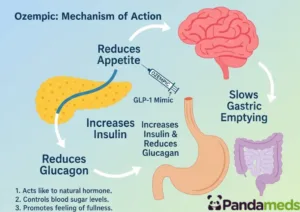
Ozempic side effects nausea management begins with understanding the biological mechanism behind this common reaction. As a GLP-1 drug, Ozempic works by mimicking a naturally occurring hormone that regulates blood sugar and appetite, but this same mechanism can trigger nausea in many users.
How Ozempic Slows Digestion
Ozempic slows gastric emptying, which means food stays in your stomach longer than usual. This delayed digestive process helps with weight loss by increasing satiety, but it also means your digestive system processes meals at a much slower rate.
According to research published in Diabetes Care, GLP-1 drugs significantly reduce the speed at which the stomach empties its contents, potentially leading to feelings of fullness, bloating, and nausea. This slow digestion affects the entire digestive tract and can make certain foods sit uncomfortably in your stomach, especially greasy foods and fried foods that are harder to digest.
First Week Nausea Peak (Ozempic Nausea First Week)
Ozempic nausea first week experiences are typically the most intense. Nausea is most noticeable during:
- The first few weeks after starting the medication
- After dose increases
- The initial 3-7 days of a new dose
For patients treated with the initial 0.25mg dose, the central nervous system and digestive system are adapting to the medication’s effects on gastric emptying and gut health.
Clinical trials show that gastrointestinal tolerability improves significantly after the initial dose escalation period, with most gastrointestinal adverse events resolving within 4-6 weeks.
Nighttime Nausea Explained (Ozempic Nausea Worse at Night)
Ozempic nausea worsening at night is a common pattern reported by those taking ozempic. Two main reasons why:
- Lying flat: Stomach contents can move more easily, potentially triggering acid reflux
- Dinner digestion: Food consumed during dinner remains in the stomach longer due to slowed gastric emptying
This creates discomfort when trying to sleep and can significantly affect your rest quality.
7 Proven Ozempic Nausea Tips
These ozempic nausea tips represent evidence-based strategies for how to stop nausea from ozempic and manage gastrointestinal adverse events effectively during your weight loss treatment plan.
| Remedy | How It Helps | Implementation |
| Start Low, Go Slow | Minimizes initial side effects | Begin at 0.25mg for 4 weeks |
| Protein First | Stabilizes blood sugar, easier digestion | Eat lean protein before other foods |
| Small Frequent Meals | Prevents stomach overload | 5-6 mini meals, 2-3 hours apart |
| Ginger Remedies | Natural anti-nausea properties | Ginger tea or flat ginger ale |
| Hydration Strategy | Prevents dehydration without bloating | Sip ice-cold fluids between meals |
| Sleep Positioning | Reduces nighttime reflux | Left side, head elevated 6-8 inches |
1. Start Low, Go Slow – 0.25mg Dosing
Starting with a lower dose of Ozempic minimizes the severity of nausea and allows your body to gradually adapt.
The standard Ozempic dose begins at 0.25mg for the first four weeks specifically to help manage nausea and other side effects. The FDA-approved dosing schedule recommends this conservative approach for all patients.
What to expect:
- Week 1-4: 0.25mg (adjustment phase)
- Week 5-8: 0.5mg (if tolerated)
- Further increases only if nausea is manageable
Healthcare providers may recommend staying on your current dose for longer before increasing it if you’re experiencing nausea. This slower dose escalation approach significantly improves gastrointestinal tolerability.
2. Eat Protein First (What to Eat When Nauseous from Ozempic)
Choosing bland foods with lean protein can ease nausea effectively.
What to eat when nauseous from ozempic:
- Grilled chicken (plain, no seasoning)
- Plain fish (baked or grilled)
- Scrambled eggs
- Tofu
- Greek yogurt (low-fat)
Protein helps stabilize blood sugar while being easier on your digestive system than fatty or spicy foods. You should eat slowly and chew food thoroughly to support your slower gastric emptying process. But, avoid trigger foods like fried foods, greasy foods and spicy foods that can worsen nausea by sitting longer in your stomach.
3. Small Frequent Meals – 5-6 Mini Meals/Day
If you eat smaller meals throughout the day rather than three large meals, it will help you manage nausea by preventing your stomach from becoming too full. Since food stays in your stomach longer while taking Ozempic, eating smaller portions reduces the uncomfortable sensation of fullness and bloating.
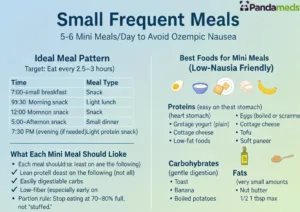
You should aim for 5-6 mini meals spaced 2-3 hours apart. This eating pattern aligns with how the medication affects your digestive tract and can significantly reduce nausea symptoms.
Sample meal schedule:
- 7:00 AM – Small breakfast
- 9:30 AM – Morning snack
- 12:00 PM – Light lunch
- 2:30 PM – Afternoon snack
- 5:00 PM – Small dinner
- 7:30 PM – Evening snack (if needed)
4. Ginger Ale Trick
Ginger ale Ozempic nausea relief works because ginger has natural anti-nausea properties that can soothe your digestive system.
Ginger based drinks help reduce nausea for many patients:
- Ginger tea (most effective)
- Flat ginger ale (Canada Dry)
- Ginger candies
- Fresh ginger in warm water
Studies published in the Journal of the American Board of Family Medicine demonstrate ginger’s effectiveness for various types of nausea. Choose Canada Dry or similar brands, but let carbonation settle first to avoid bloating. Ginger tea is often more effective as it contains higher concentrations of active compounds.
5. Stay Hydrated – Electrolyte Drinks
It is important to stay hydrated when you are trying to manage blood sugar and dealing with nausea on Ozempic, but hydration should be managed carefully.
Sip ice-cold, clear fluids throughout the day rather than drinking large amounts during meals, which can worsen nausea by overfilling your stomach.
Best fluid choices include:
- Water (sipped slowly)
- Electrolyte drinks (sugar-free)
- Clear broths
- Herbal teas
- Peppermint tea
You should avoid drinking too much liquid at once, as this can make you feel overfull and trigger nausea.
6. Sleep Positioning – Left Side Elevation
To manage nausea worse at night, sleep on your left side with your head elevated 6-8 inches. This position uses gravity to keep stomach contents in place and reduces acid reflux that can trigger nausea. Avoid lying down immediately after eating – wait at least 2-3 hours before bedtime to allow some digestion to occur despite the slower gastric emptying caused by the medication.
OTC Remedies for Ozempic Nausea
Over the counter medications can provide additional relief when dietary changes and lifestyle modifications aren’t enough to manage nausea from this weight loss drug.
| Medication | Active Ingredient | Dosage | Best For | Key Benefit |
| Pepto-Bismol | Bismuth subsalicylate | 524mg every 30-60 min | Stomach upset, nausea | Coats stomach lining |
| Dramamine | Dimenhydrinate | 50-100mg every 4-6 hrs | GI-related nausea | Blocks nausea signals |
| Vitamin B6 | Pyridoxine | 25-50mg 2-3x daily | Mild nausea | Natural, gentle relief |
| Ginger Capsules | Ginger extract | 250mg 3-4x daily | General nausea | Anti-inflammatory |
1. Pepto Bismol
Pepto bismol for ozempic nausea relief is a safe option for many patients. Bismuth subsalicylate (Pepto-Bismol) coats the stomach lining and can help ease nausea and stomach pain associated with slowed digestion.
How to use:
- Take 524mg (regular strength dose)
- Follow package directions
- Space at least 2 hours away from your Ozempic dose
- Don’t exceed maximum daily dose
According to clinical pharmacology guidelines, bismuth subsalicylate is effective for various gastrointestinal symptoms including nausea. Canada to USA shipping of over-the-counter anti nausea medications is readily available through licensed online pharmacies for patients seeking cost-effective options.
2. Dramamine (Meclizine)
Dramamine Ozempic nausea management uses the motion sickness medication dimenhydrinate to relieve nausea through its effects on the central nervous system. While typically used for motion sickness, this anti nausea medication can provide relief for GI-related nausea as well.
Usage guidelines:
- Take 50-100mg every 4-6 hours as needed
- Be aware drowsiness is common
- Avoid driving after taking
- Don’t combine with alcohol
You must talk to your doctor before combining dramamine with other prescription medications to avoid interactions.
3. Vitamin B6 (50mg)
Vitamin B6 at 50mg doses has shown promise as an anti nausea remedy in clinical settings. Research in obstetric medicine demonstrates B6’s effectiveness for nausea management, and many healthcare providers recommend it as a first-line natural approach for patients experiencing nausea while taking Ozempic.
Dosing:
- Take 25-50mg two to three times daily
- Always take with food
- May take 3-4 days to see full effect
- Generally well-tolerated with few side effects
Zofran for Ozempic Nausea Relief
When over-the-counter options don’t adequately relieve nausea, prescription anti nausea medications become necessary components of your treatment plan.
How Zofran (Ondansetron) Works?
Zofran for Ozempic nausea works by blocking serotonin receptors in both the digestive tract and the central nervous system that trigger nausea and vomiting. Ondansetron (Zofran) is one of the most effective prescription medications for managing severe nausea from GLP-1 drugs.
Ondansetron is indicated for prevention of nausea and vomiting. The typical dose is 4-8mg taken 30 minutes before meals or as needed for nausea symptoms.
When do Doctors Prescribe Zofran?
Healthcare providers prescribe Zofran when nausea persists despite dietary modifications and over-the-counter anti nausea remedies, or when severe nausea interferes with daily activities and proper nutrition. If nausea is severe, prolonged or worsening, it is important to talk to your healthcare provider about prescription options that can help you continue your Ozempic treatment successfully.
Does Nausea Go Away on Ozempic?
Does nausea go away on Ozempic is one of the most common questions from patients starting this medication. The answer is yes for most people – many report improvements in nausea as their body adjusts to the medication.
Timeline: Nausea Resolution on Ozempic
- Week 1-2: Peak nausea intensity, most noticeable symptoms
- Week 3-4: Gradual improvement begins
- Week 5-8: 80% of patients report significant nausea reduction
- Week 8+: Minimal to no nausea for most patients
Clinical trial data from the SUSTAIN studies shows that for most people, gastrointestinal side effects peak within the first few weeks of treatment and gradually improve over 4 to 6 weeks.
The median duration of nausea is approximately 8 days per dose escalation period. However, nausea can occur each time an ozempic dosage is increased, as your body may need time to adjust to the higher dose.
Important Disclaimer: Never stop Ozempic abruptly without consulting your healthcare provider. If nausea persists or interferes with daily life, it is advisable to reach out to your doctor for possible adjustments to your treatment plan. Your healthcare provider may recommend staying on your current dose longer before increasing it, which can help your digestive system adapt more gradually.
When Should You Call Your Doctor
While nausea is expected with ozempic treatment, certain warning signs require immediate medical attention to rule out serious complications.
| Symptom | Severity Level | Action Required | Possible Concern |
| Vomiting 24+ hours | Urgent | Call doctor same day | Dehydration, medication adjustment needed |
| Severe abdominal pain radiating to back | Emergency | Seek immediate care | Possible pancreatitis |
| Dark urine + dizziness | Urgent | Call doctor same day | Dehydration |
| Unable to keep fluids down | Urgent | Call doctor same day | Severe dehydration risk |
| Fever with stomach pain | Emergency | Seek immediate care | Possible infection/pancreatitis |
| Rapid heartbeat + nausea | Monitor | Call if persists 24 hrs | Electrolyte imbalance |
| Persistent nausea 6+ weeks | Schedule visit | Non-urgent appointment | Treatment adjustment needed |
According to FDA safety information, acute pancreatitis has been reported in patients treated with GLP-1 drugs. Severe or persistent nausea may indicate a more serious condition requiring medical attention. Other pancreatitis symptoms include fever, rapid heartbeat, and severe stomach pain.
It is crucial to consult your doctor if you experience any allergic reactions (rash, difficulty breathing, swelling) or other unusual symptoms while on ozempic.
Ozempic Alternatives (Less Nausea)
For patients who cannot tolerate ozempic nausea despite implementing all remedies, alternative weight loss medications may offer better gastrointestinal tolerability.
| Medication | Type | Nausea Profile | Administration | Canada→USA Availability |
| Ozempic | Semaglutide | Moderate-high (20% incidence) | Weekly injection | Available |
| Rybelsus | Semaglutide (oral) | Lower-moderate (11-18% incidence) | Daily pill | In Stock |
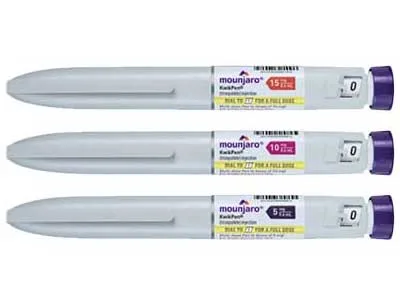
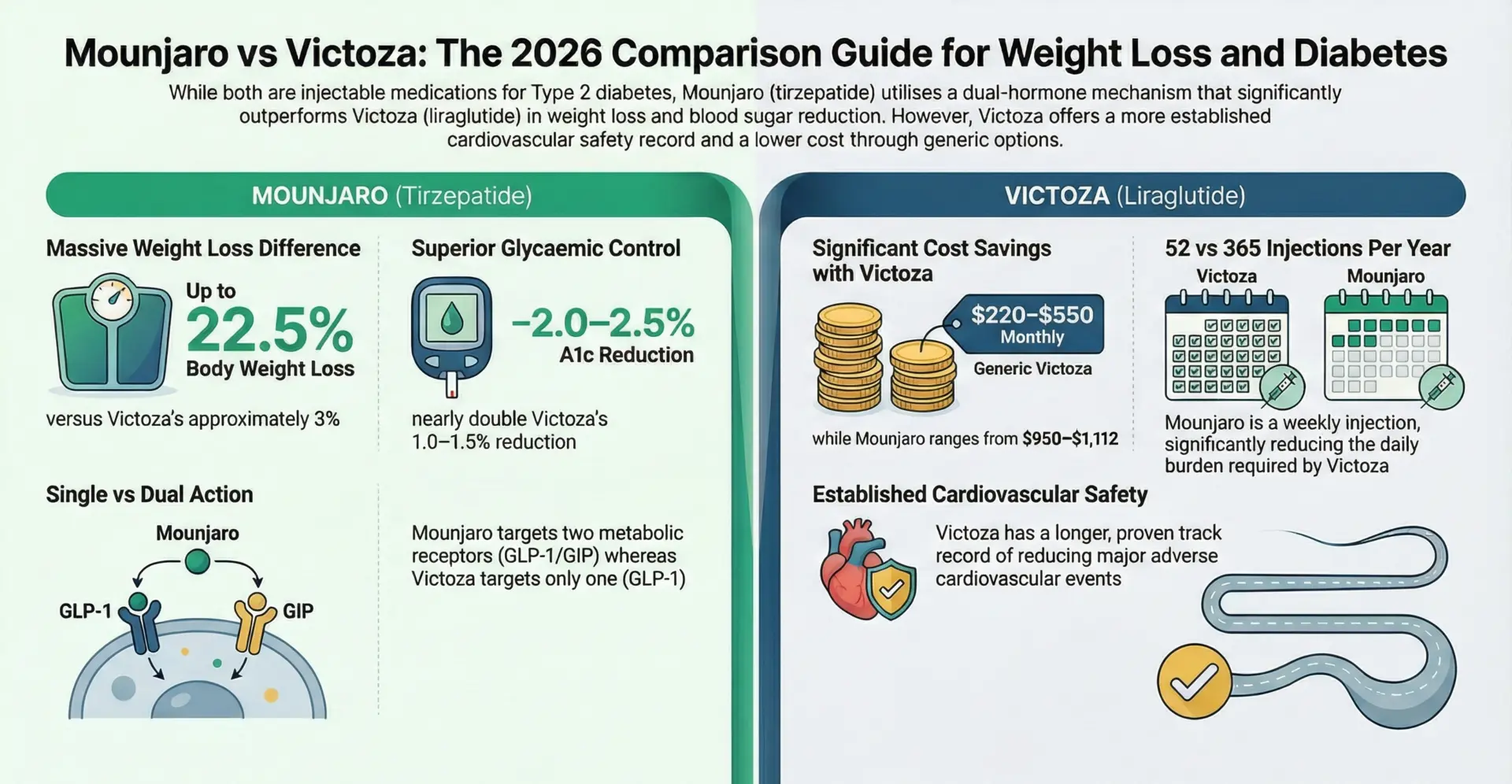
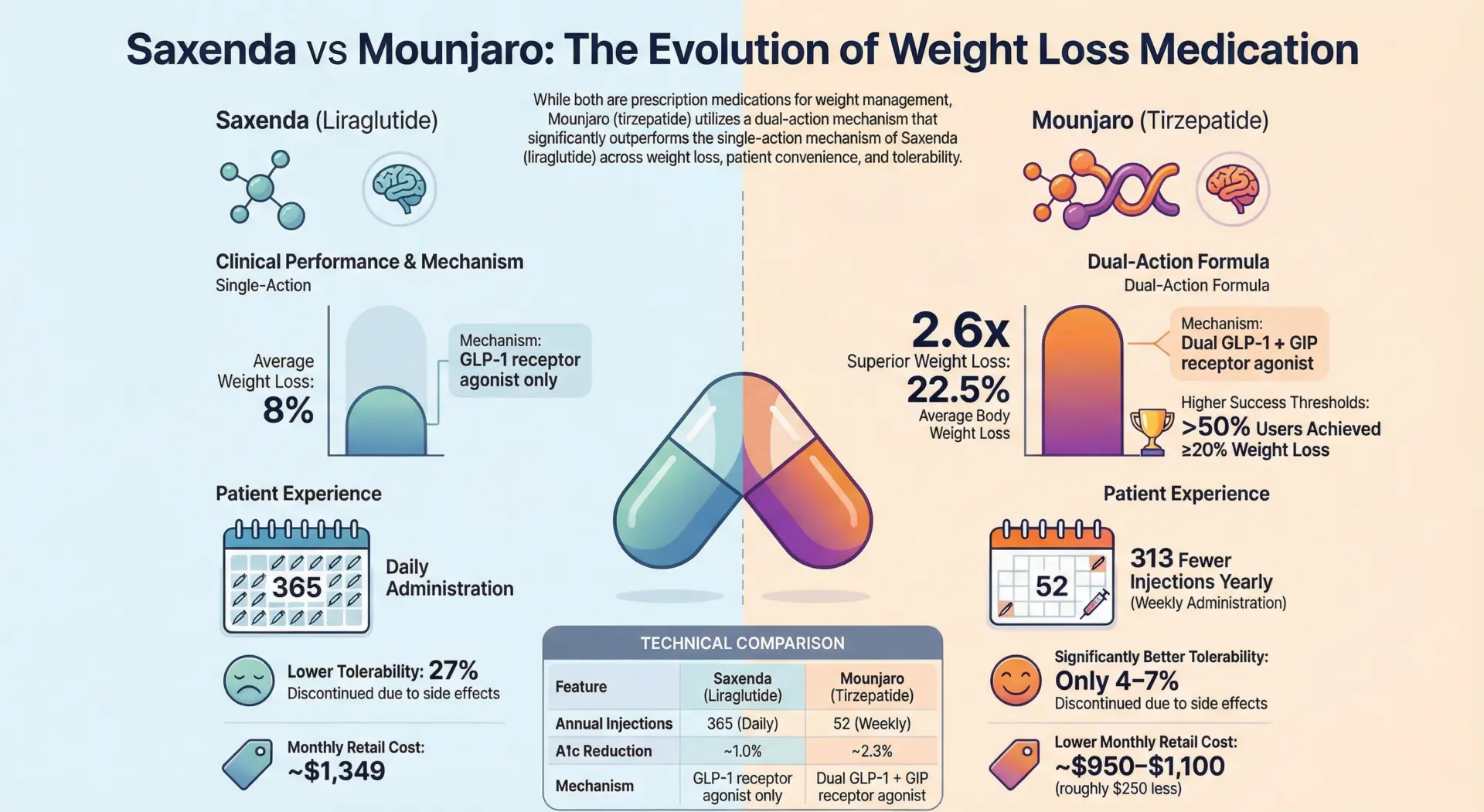
| Mounjaro | Tirzepatide | Lower (12-17% incidence) | Weekly injection | Ships USA |
| Wegovy | Semaglutide (higher dose) | Moderate-high (20-24% incidence) | Weekly injection | Available |
| Trulicity | Dulaglutide | Moderate (12-21% incidence) | Weekly injection | Available |
Talk to your doctor about which weight loss drug best fits your tolerance profile and health goals. Each medication requires its own treatment plan and may affect nausea differently based on individual body chemistry.
Disclaimer: This information is intended for general knowledge and informational purposes only and does not constitute medical advice. Always consult with a healthcare professional for personalized guidance.
Written by the Pandameds.com Editorial Team
Our content is created by pharmacy-trained researchers and healthcare specialists and rigorously reviewed by a diverse panel of authentic experts from the pharmaceutical and healthcare fields. This collaborative review process ensures that every article meets the highest standards of medical accuracy, reliability, and relevance.
- ✅ Authored by pharmacy-trained professionals
- 🔍 Reviewed by multiple verified experts in the pharmaceutical and healthcare niche
- 💊 Based on trusted sources including FDA, Health Canada, and peer-reviewed clinical studies
- 🔄 Regularly reviewed and updated every 90 days to maintain accuracy and trustworthiness
About Pandameds.com
Pandameds.com offers a range of weight loss medications at an affordable price.
Fast, Reliable Shipping to the USA!
Affordable Prescription Meds From Canada




Join our mailing list for exclusive promos, curated health content & more.
Related Blog Posts

Call Us Today!
If you have any questions, please email our support team at support@pandameds.com or call us toll-free at 1-888-862-1210.