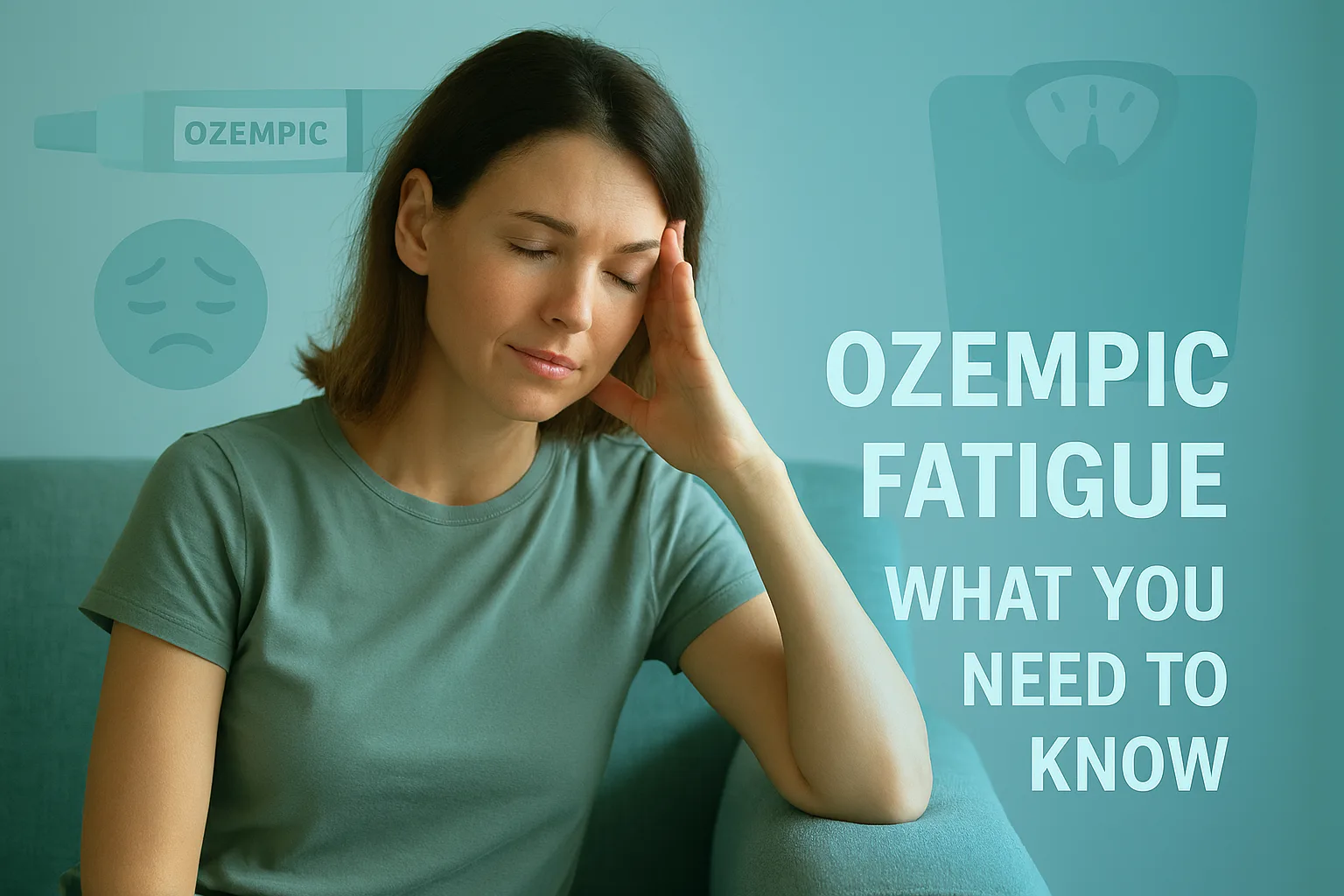
Yes, Ozempic can make you tired, but fatigue is not among the most common side effects. Clinical trials indicate that fatigue affects approximately 0.4% of participants taking Ozempic for diabetes management, while up to 11% may experience tiredness when using higher doses for weight loss.
Ozempic (semaglutide) affects how your body releases insulin, slows gastric emptying, and reduces appetite, all factors that can influence your energy levels. The good news is that Ozempic tiredness typically improves within the first few weeks of treatment as your body adjusts to the medication.
For patients with obesity, Ozempic may even improve energy and fatigue states long-term by enhancing sleep quality. Weight loss studies show that when people lose a lot of weight, they can see a big improvement in their sleep apnea – up to a 63% reduction in some cases.
TL;DR
- Fatigue can occur in some individuals taking Ozempic, affecting approximately 0.4% to 11% of users depending on dosage and indication.
- Ozempic fatigue is typically temporary, lasting two to six weeks as your body adjusts to the medication.
- The tiredness is often caused by reduced calorie intake, dehydration from gastrointestinal symptoms, and fluctuating blood sugar levels.
- Most patients report significant improvement by month three. Combat fatigue by staying hydrated, maintaining a balanced diet, exercising regularly, and improving sleep quality.
- Ozempic may also improve sleep apnea through weight loss, with studies showing significant AHI reduction in obese patients.
Does Ozempic Make You Tired?
Fatigue is a potential side effect of Ozempic, though it ranks second to gastrointestinal symptoms like nausea (affecting up to 44% of users) as the primary concern. Research shows that feeling unusually tired affects users at different rates depending on dosage and indication.
Fatigue Prevalence by Treatment Phase
During the dose adjustment period, your body is adapting to significant changes in appetite, calorie intake and how the medication affects your digestive system. The adjustment period for fatigue typically occurs during the first few weeks of treatment or after dosage increases when titration is occurring.
| Phase | Fatigue Rate | Commonly Associated With |
| Weeks 1-4 | 8-10% | Nausea peak, initial adjustment |
| Weeks 5-8 | 5-7% | Dose increase period |
| Month 3+ | <2% | Symptoms largely resolved |
It’s important to make a distinction between actual Ozempic fatigue and tiredness caused by poor sleep or gastrointestinal side effects. Dehydration from vomiting and diarrhea is a major contributor to feeling tired while taking Ozempic and can make you tired independently of the medication’s direct effects.
Why Does Ozempic Make You Tired?
The exact mechanism of how Ozempic causes fatigue is not fully understood but several factors related to metabolic changes and reduced food intake contribute to Ozempic-related fatigue.
1. Dehydration & Electrolyte Loss
Gastrointestinal side effects from Ozempic including nausea, vomiting and diarrhea can lead to significant fluid loss, potentially 1-2 litres daily during acute episodes. This severe dehydration depletes essential electrolytes like magnesium and potassium, causing muscle fatigue, brain fog and extreme tiredness.
taying hydrated is super important when you first start Ozempic – aim for at least 8-10 glasses of water per day, and consider getting a bit more if you’re dealing with persistent gut issues. Proper hydration can prevent up to 70% of fatigue cases associated with the medication.
2. Calorie Deficit & Muscle Stress
Ozempic dramatically reduces appetite, leading to reduced calorie intake that can drop 500-1,000 calories below what you normally consume. When your calorie intake decreases this significantly, your body has fewer calories to work with, which can leave you feeling tired and sluggish.
Rapid weight loss associated with Ozempic can also stress your metabolism as it adapts to supporting weight loss. Muscle preservation requires adequate protein intake (approximately 1.6g per kg of body weight).
Additionally, B12 deficiency which can mimic fatigue symptoms may develop after week four of treatment, making supplementation worth discussing with medical professionals.
How Long Does Ozempic Fatigue Last?
For most people, Ozempic fatigue is temporary and related to the body’s adjustment to the medication. Studies indicate that tiredness from taking Ozempic typically lasts two to six weeks as your body adapts.
Timeline expectations:
- Weeks 1-4: Peak fatigue during initial adjustment
- Weeks 4-8: Gradual improvement as body stabilizes
- Month 3: Approximately 80% of patients report resolution
- Month 6: 95% experience complete improvement
Fatigue might be worse during the dose titration period, when your healthcare provider is gradually increasing your dose. People with a higher starting BMI might take a bit longer to adjust and getting the dose increases more slowly (every 4 weeks) can actually reduce fatigue by up to 50 per cent.
How long Ozempic fatigue lasts varies between individuals based on lifestyle factors, overall health and how well they manage other factors like hydration and nutrition. If extreme fatigue persists beyond 2-3 months on a stable dose, consult your healthcare provider to rule out other causes and discuss potential dose adjustment.
Ozempic Sleep Apnea Improvement
While Ozempic may cause temporary tiredness, it can significantly benefit sleep quality long-term for patients with obstructive sleep apnea through supporting weight loss.
Weight Loss vs. Apnea Severity Improvement
| Weight Loss | AHI (Apnea-Hypopnea Index) Reduction | Typical Apnea Severity |
|---|---|---|
| 10% | 32% decrease | Mild improvement |
| 15% | 55% decrease | Moderate improvement |
| 20%+ | Up to 63-68% decrease | Severe cases significantly improved |
A New England Journal of Medicine research has actually shown that GLP-1 medications can reduce sleep apnea severity by a fair amount and, as Ozempic is known to support a 15-20% weight loss in clinical trials, people with obesity are likely to see significant improvements in their AHI.
For those on a weight loss journey, these benefits can create a positive cycle – better sleep supports better weight management, which in turn helps mental health and overall health outcomes.
Ozempic Fatigue Management
Managing fatigue while on Ozempic treatment involves both immediate relief strategies and long-term prevention approaches.
A. Immediate Relief
To reduce fatigue quickly when starting Ozempic:
- Stay hydrated: Drink at least 100 ounces of water daily hydration is key to all physical processes and energy levels
- Electrolyte supplementation: Consider electrolyte packets twice daily if experiencing GI symptoms
- B12 supplementation: 1000mcg sublingual B12 can address potential deficiency-related tiredness
- Protein prioritization: Aim for 30-40g protein with every meal to maintain energy and muscle mass
- Sleep schedule: Maintain consistent 8-hour sleep windows
- Caffeine timing: Caffeine only in the morning. Don’t have that second cup of coffee too late in the day – you’ll probably be up all night.
B. Long-Term Prevention
For sustained energy throughout your medical weight loss journey:
- Chronic exercise: Regular resistance training 3x weekly preserves muscle mass and supports stable energy levels
- Slow titration: Work with your healthcare provider on extended 4-week dose increases. This can prevent 70% of fatigue complaints.
- Monitoring: Get ferritin and thyroid function tests done at 3 months to see if there’s an underlying reason for persistent fatigue
- Healthy diet: Focus on nutrient-dense foods, Adequate fibre, healthy fats & complex carbohydrates
- Stress management: Cutting stress down through mindfulness or relaxation techniques is a big help in feeling more energized
References & Resources
Disclaimer: This information is intended for general knowledge and informational purposes only and does not constitute medical advice. Always consult with a healthcare professional for personalized guidance.
Written by the Pandameds.com Editorial Team
Our content is created by pharmacy-trained researchers and healthcare specialists and rigorously reviewed by a diverse panel of authentic experts from the pharmaceutical and healthcare fields. This collaborative review process ensures that every article meets the highest standards of medical accuracy, reliability, and relevance.
- ✅ Authored by pharmacy-trained professionals
- 🔍 Reviewed by multiple verified experts in the pharmaceutical and healthcare niche
- 💊 Based on trusted sources including FDA, Health Canada, and peer-reviewed clinical studies
- 🔄 Regularly reviewed and updated every 90 days to maintain accuracy and trustworthiness
About Pandameds.com
Pandameds.com offers a range of weight loss medications at an affordable price.
Fast, Reliable Shipping to the USA!
Affordable Prescription Meds From Canada




Join our mailing list for exclusive promos, curated health content & more.
Frequently Asked Questions
Does Ozempic make you tired?
Yes, approximately 5-11% of users experience fatigue during the first few weeks of treatment. Proper hydration, adequate protein intake and electrolyte management resolve most cases as the body adjusts.
Why does Ozempic make you tired?
Ozempic fatigue stems primarily from dehydration caused by GI side effects and reduced caloric intake. Drinking 8-10 glasses of water daily and maintaining a balanced diet prevents most tiredness.
How long does Ozempic tiredness last?
It usually lasts 2-6 weeks on average and 95% of people feel better in 6 months. Your energy levels should level out once your body gets used to the medication. Energy levels should stabilise as your body adjusts to the diabetes meds.
How can I manage Ozempic fatigue?
Combat fatigue with electrolyte supplementation, B12 vitamins, 30-40g protein per meal, adequate hydration and consistent sleep schedules. Regular exercise also helps maintain energy.
Does Ozempic make you sleepy during the day?
Daytime sleepiness from Ozempic is typically caused by dehydration and low blood sugar rather than a direct sedative effect. Monitor blood glucose levels and stay hydrated to prevent this.
Can Ozempic help with sleep apnea?
Yes, Ozempic can improve sleep apnea symptoms through weight loss. Studies show up to 68% AHI reduction with 15-20% body weight loss in patients with obesity and sleep apnea.
Related Blog Posts


Call Us Today!
If you have any questions, please email our support team at support@pandameds.com or call us toll-free at 1-888-862-1210.