
Mounjaro dominates Victoza for weight loss: up to 22.5% of body weight versus approximately 3%, weekly dosing versus daily, and a dual GLP-1/GIP mechanism versus single GLP-1 action. Both are injectable medications prescribed to treat diabetes and help regulate blood sugar levels, but Mounjaro was engineered from the ground up for superior metabolic outcomes in adults with type 2 diabetes and obesity.
In clinical trials, tirzepatide (Mounjaro’s active ingredient) consistently outperformed liraglutide (Victoza’s active ingredient) across glycemic control, body weight reduction, and cardiometabolic markers.
According to data published in the New England Journal of Medicine, participants on the highest dose of Mounjaro (15 mg weekly injection) lost a mean of 22.5% of their body weight over 72 weeks-results that approach outcomes seen after bariatric surgery.
Meanwhile, Victoza’s weight loss benefits, while clinically meaningful for blood glucose management, average around 5-8 lbs (roughly 3% of body weight) in most studies.
TL;DR
- Mounjaro (tirzepatide) outperforms Victoza (liraglutide) on nearly every clinical metric.
- In the SURMOUNT-1 trial, Mounjaro produced up to 22.5% body weight loss at 72 weeks, compared to roughly 3% with Victoza in the LEADER trial.
- Mounjaro’s dual GLP-1/GIP receptor agonist mechanism also delivers about 2.0-2.5% A1c reduction versus Victoza’s 1.0-1.5%.
- Victoza wins on cost (generic liraglutide available around $220-$550/month vs. Mounjaro’s $950-$1,112/month cash price) and has a longer cardiovascular outcomes track record.
- Both are GLP-1 receptor agonists prescribed for type 2 diabetes; your endocrinologist will determine the best fit based on your A1c, weight goals, cardiovascular risk and insurance coverage.
Victoza vs Mounjaro Mechanism + Dosing
Victoza and Mounjaro both belong to the class of GLP-1 receptor agonists, but they differ fundamentally in how they work. Understanding the mechanism behind each medication helps explain the dramatic differences in efficacy for weight loss and glycemic control.
Victoza (liraglutide) is a single-incretin mimetic. Its active ingredient, liraglutide, is a GLP-1 receptor agonist with 97% amino acid homology to human GLP-1 (PMC overview). It works by stimulating insulin secretion, suppressing glucagon secretion, slowing gastric emptying, and sending satiety signals to the brain. Victoza is administered as a once-daily injection using prefilled pens, with a maximum therapeutic dose of 1.8 mg. The daily injection routine can be a compliance challenge for some patients.
Mounjaro (tirzepatide) takes a fundamentally different approach through dual action. It is the only approved medication that activates both the GLP-1 receptor and the glucose dependent insulinotropic polypeptide (GIP) receptor simultaneously (Eli Lilly prescribing information). This dual hormone mechanism amplifies the metabolic effects: GIP activation appears to work synergistically with GLP-1 receptor activation, producing far greater reductions in body weight and blood sugar levels than GLP-1 alone. Mounjaro is injected once a week under the skin of the upper arm, thigh, or abdomen-meaning just 52 injections per year compared to Victoza’s 365.
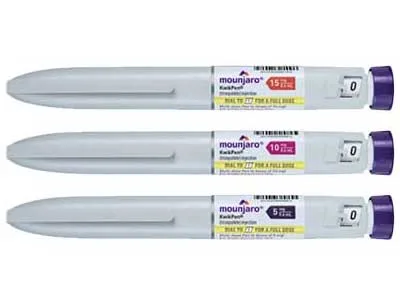
Mounjaro’s dosage strengths include 2.5 mg, 5 mg, 7.5 mg, 10 mg, 12.5 mg, and 15 mg, with a starting dosage typically prescribed at 2.5 mg. Patients using Mounjaro typically titrate the dose up every four weeks until the maximum effective dosage is reached.
| Feature | Victoza (Liraglutide) | Mounjaro (Tirzepatide) |
| Mechanism | GLP-1 receptor agonist only | GLP-1 + GIP dual receptor agonist |
| Dosing Frequency | Daily (1.8 mg max) | Weekly (up to 15 mg) |
| A1c Reduction | 1.0-1.5% | 2.0-2.5% |
| Weight Loss | ~5-8 lbs (~3% body weight) | Up to 22.5% body weight |
| Active Ingredient | Liraglutide | Tirzepatide |
| Injections/Year | 365 | 52 |
| Age Approval | Adults + children 10+ | Adults only |
Weight Loss Results – Mounjaro Significantly Superior
The weight loss comparison between these two medications is stark. Victoza was originally developed and approved for glycemic control, with weight loss as a secondary benefit. Mounjaro was specifically studied as a weight loss treatment in the landmark SURMOUNT clinical trial program.
In the SURMOUNT-1 trial (published in NEJM, 2022), 2,539 adults with obesity were randomized to tirzepatide or placebo over 72 weeks. Participants on the 15 mg dose achieved a mean weight reduction of 22.5%. Remarkably, 57% of participants in the 15 mg group lost 20% or more of their body weight. The SURMOUNT-4 trial later showed that continued Mounjaro treatment over 88 weeks produced a mean weight loss of 25.3%.
By contrast, liraglutide at the 1.8 mg dose used in Victoza typically produces modest weight reduction of about 5-8 lbs in patients with type 2 diabetes. The LEADER trial (9,340 patients, median 3.8 years follow-up) demonstrated Victoza’s cardiovascular benefits but weight loss was a secondary outcome, not the primary focus. For patients whose primary goal is to lose weight, the difference is significant.
| Duration | Victoza Weight Loss | Mounjaro Weight Loss | Superiority |
| 6 months | ~4-6 lbs | ~25 lbs | ~4-6x |
| 12 months (72 wk) | ~6-8 lbs | 45-60 lbs (15 mg dose) | ~7x |
| % Body Weight | ~3% | Up to 22.5% | ~7x |
Sources: SURMOUNT-1 (NEJM 2022), LEADER trial (NEJM 2016), Victoza prescribing information.
A1c + Cardiovascular Outcomes Comparison
Both Victoza and Mounjaro are effective at improving glycemic control in patients with type 2 diabetes, but the magnitude differs. Mounjaro’s dual mechanism delivers substantially greater A1c reductions.
In the SURPASS clinical trial program, tirzepatide reduced A1c by approximately 2.0-2.5% from baseline, bringing many patients below the ADA target of 7.0% (Eli Lilly clinical data). Victoza’s A1c reductions in the LEAD program ranged from about 1.0-1.5%, which are clinically meaningful but more modest.
Regarding cardiovascular outcomes, Victoza has a stronger track record. The LEADER trial demonstrated that liraglutide reduced the risk of cardiovascular death by 22%, cut death from any cause by 15%, and reduced major adverse cardiovascular events (heart attack, stroke, or cardiovascular death) by 13%. This is the longest and most robust cardiovascular outcomes data for any GLP-1 receptor agonist, spanning a median 3.8 years of follow-up. Mounjaro’s cardiovascular outcomes trial (SURPASS-CVOT) results have been reported and show heart-protective benefits, but Victoza’s evidence base remains more established.
| Metric | Victoza | Mounjaro |
| A1c Reduction | 1.0-1.5% | 2.0-2.5% |
| CV Death Risk | Reduced 22% (LEADER) | Data emerging (SURPASS-CVOT) |
| All-Cause Mortality | Reduced 15% (LEADER) | Under evaluation |
| MACE Reduction | 13% (proven) | Equivalent or better (early data) |
| CV Track Record | 3.8 years median | Shorter follow-up |
Victoza vs Mounjaro Side Effects
Both Victoza and Mounjaro can lead to gastrointestinal discomfort, which is the most common category of adverse reactions for GLP-1 receptor agonists. These side effects are generally mild to moderate in severity and tend to decrease over time, particularly during dose escalation periods.
Common side effects of Victoza may include nausea (reported in approximately 28% of patients), vomiting (about 15%), and diarrhea. Abdominal pain, constipation, and decreased appetite are also reported. Pancreatitis is a rare but serious risk associated with Victoza-patients should seek immediate medical attention if they experience severe, persistent abdominal pain.
Mounjaro’s side effect profile is similar but may be more pronounced initially due to its stronger receptor activation. Nausea affects approximately 45% of patients at higher doses, vomiting around 20%, and diarrhea is common as well. Mounjaro may also cause dizziness or lightheadedness, especially when standing up quickly. In rare cases, liver-related concerns have been flagged and should be monitored. Both medications carry a boxed warning about thyroid C-cell tumors based on rodent studies.
| Side Effect | Victoza | Mounjaro |
| Nausea | ~28% | ~45% (higher doses) |
| Vomiting | ~15% | ~20% |
| Diarrhea | Common | Common |
| Constipation | Common | Common |
| Abdominal Pain | Reported | Reported |
| Injection Burden | Daily | Weekly |
| Serious Risk | Pancreatitis (rare) | Thyroid/liver monitoring |
| Hypoglycemia Risk | Low (alone) | Low (alone) |
Cost Comparison 2026
The cost of Victoza and Mounjaro can vary significantly based on factors such as insurance coverage, pharmacy choice, and pharmaceutical pricing. For many patients, the financial impact of choosing between these medications is a critical consideration, especially for those who have to pay out of pocket or have limited insurance coverage.
As of 2026, brand-name Victoza has a list price of approximately $800-$1,216 per month for three prefilled pens. However, generic liraglutide is now available, which can bring costs down to approximately $220-$550 per month with coupons. This makes Victoza the more affordable option for many patients.
Mounjaro’s list price is approximately $1,069-$1,112 per month for four weekly prefilled pens. Without insurance or discounts, patients can expect to pay $950-$1,150 at retail pharmacies. Eli Lilly offers a savings card that can reduce the cost to as low as $25/month for commercially insured patients whose plans cover Mounjaro. No generic version of Mounjaro is currently available, with patent protection extending until 2036.
Insurance coverage can significantly reduce the cost of both medications. Understanding your insurance policy and verifying coverage for prescribed medications is essential to access cost-saving benefits. Patients are encouraged to explore available financial assistance programs, including manufacturer savings cards and patient assistance programs, to help alleviate the financial burden of these medications.
| Cost Category | Victoza | Mounjaro |
| List Price/Month | $800-$1,216 | $1,069-$1,112 |
| With Coupons | $220-$550 (generic) | $950-$1,050 |
| With Insurance Savings Card | Varies | As low as $25/mo |
| Generic Available? | Yes (liraglutide) | No (patent until 2036) |
| Medicare Coverage | Generally covered | Covered for T2D |
Note: Prices are approximate and subject to change. Always verify current pricing with your pharmacy and insurance provider.
Switching Victoza to Mounjaro Protocol
Patients and doctors considering a switch from Victoza to Mounjaro should know that the transition is generally straightforward. No washout period is required because liraglutide has a relatively short half-life of approximately 13 hours, meaning it clears from the body quickly.
The standard protocol for switching involves starting Mounjaro at the 2.5 mg dose regardless of the patient’s current Victoza dose. Mounjaro can be initiated the day after the last Victoza injection. During the first 7 days after switching, some patients may experience a temporary overlap of GLP-1 effects as liraglutide clears and tirzepatide builds up. This dual effect period is generally well tolerated-clinical experience suggests approximately 90% of patients tolerate the switch smoothly.
After starting at 2.5 mg, the Mounjaro dose is titrated upward every four weeks (to 5 mg, then 7.5 mg, and so on) until the target dose is reached. Consulting with a healthcare provider plays a vital role in establishing a personalized treatment plan. Adhering to the prescribed dosage and instructions is essential to achieving optimal treatment outcomes during the transition and throughout your weight loss journey.
| Last Victoza Dose | First Mounjaro Dose | Timing | Notes |
| ≤1.2 mg | 2.5 mg | Day 1 (next day) | No washout needed |
| 1.8 mg | 2.5 mg | Day 1 (next day) | Temporary dual GLP-1 effect expected |
| Any dose | 2.5 mg | Day 1 (next day) | Titrate up every 4 weeks |
Disclaimer: This information is intended for general knowledge and informational purposes only and does not constitute medical advice. Always consult with a healthcare professional for personalized guidance.
Written by the Pandameds.com Editorial Team
Our content is created by pharmacy-trained researchers and healthcare specialists and rigorously reviewed by a diverse panel of authentic experts from the pharmaceutical and healthcare fields. This collaborative review process ensures that every article meets the highest standards of medical accuracy, reliability, and relevance.
- ✅ Authored by pharmacy-trained professionals
- 🔍 Reviewed by multiple verified experts in the pharmaceutical and healthcare niche
- 💊 Based on trusted sources including FDA, Health Canada, and peer-reviewed clinical studies
- 🔄 Regularly reviewed and updated every 90 days to maintain accuracy and trustworthiness
About Pandameds.com
Pandameds.com offers a range of weight loss medications at an affordable price.
Fast, Reliable Shipping to the USA!
Affordable Prescription Meds From Canada




Join our mailing list for exclusive promos, curated health content & more.
Frequently Asked Questions
What is the difference between Victoza and Mounjaro for weight loss?
The difference is substantial. In clinical trials, Mounjaro produced weight loss of up to 22.5% of body weight at 72 weeks (SURMOUNT-1), while Victoza typically produces about 3% body weight loss. Mounjaro’s dual action on both GLP-1 and GIP receptors creates stronger satiety signals in the brain and more effective fat metabolism compared to Victoza’s single GLP-1 pathway.
Can I switch from Victoza to Mounjaro?
Yes. Start Mounjaro at 2.5 mg the day after your last Victoza dose. No washout period is required due to liraglutide’s short 13-hour half-life. Your doctor will titrate the Mounjaro dose upward every four weeks. About 90% of patients tolerate the transition smoothly.
How much does Victoza vs Mounjaro cost in 2026?
Generic Victoza (liraglutide) costs approximately $220-$550/month with coupons. Mounjaro costs approximately $950-$1,112/month at cash price, though Eli Lilly’s savings card can reduce this to $25/month for eligible commercially insured patients. Insurance coverage varies significantly between plans.
What are the common side effects of both medications?
Both medications commonly cause nausea, vomiting, diarrhea, constipation, and abdominal pain. Mounjaro tends to cause more initial nausea (~45% vs. ~28%) due to stronger receptor activation, but its weekly injection is more convenient than Victoza’s daily dose. Most gastrointestinal side effects resolve within the first 12 weeks of treatment. The risk of hypoglycemia is low with both medications when used alone.
Can Mounjaro replace Victoza for type 2 diabetes?
Yes, for many adults with type 2 diabetes. Mounjaro offers superior efficacy in both glucose control and weight loss. It is especially beneficial for patients with a BMI of 30 or greater who need significant weight reduction alongside diabetes management. However, Victoza remains appropriate for certain patient populations, including children aged 10 and older.
How do Victoza and Mounjaro compare for A1c reduction?
Mounjaro reduces A1c by approximately 2.0-2.5% from baseline, while Victoza reduces it by about 1.0-1.5%. Both are effective weight loss medications for glycemic control, but Mounjaro’s dual action makes it more potent. The effectiveness depends on individual patient responses, diet, exercise, and specific health conditions.
What dosages are available for each medication?
Victoza comes in prefilled injection pens with doses of 0.6 mg (starting), 1.2 mg, and 1.8 mg, administered daily. Mounjaro is available in 2.5 mg, 5 mg, 7.5 mg, 10 mg, 12.5 mg, and 15 mg doses, administered as a weekly injection. Both are prescribed medicines that should only be used under the guidance of your healthcare provider.
Is Victoza cheaper than Mounjaro?
Generally, yes. Generic liraglutide (the active ingredient in Victoza) is available at roughly $220-$550/month, making it considerably less expensive than Mounjaro’s cash price of $950-$1,112/month. With the Mounjaro Savings Card, insured patients may pay as little as $25/month, but this depends on plan coverage.
Which is better for weight loss: Victoza or Mounjaro?
Mounjaro is significantly better for weight loss. Clinical data shows Mounjaro produces up to 22.5% body weight reduction compared to Victoza’s roughly 3%. For patients who need to lose weight as part of managing metabolic diseases like type 2 diabetes or obesity, Mounjaro’s efficacy and safety profile make it the stronger option. However, both should be used alongside diet and exercise for optimal results.
Do both Victoza and Mounjaro reduce heart disease risk?
Victoza has proven cardiovascular benefits from the LEADER trial, including a 13% reduction in major adverse cardiac events (heart attack, stroke, or cardiovascular death) and a 22% reduction in cardiovascular death specifically. Mounjaro’s cardiovascular data from SURPASS-CVOT shows heart-protective effects, but Victoza’s evidence base spans a longer follow-up period.
Related Blog Posts




Call Us Today!
If you have any questions, please email our support team at support@pandameds.com or call us toll-free at 1-888-862-1210.