
Mounjaro (tirzepatide) is an FDA-approved medication that helps manage blood glucose levels in adults with Type 2 diabetes and is also highly effective for weight loss. While this weight loss injection has shown remarkable results in clinical trials, helping people lose weight significantly, nausea from Mounjaro remains the most common side effect that patients experience when taking Mounjaro.
TL;DR
- Mounjaro nausea is one of the most common side effects, affecting approximately 12% to 24% of patients in clinical trials.
- This gastrointestinal adverse event occurs because Mounjaro, a dual GIP/GLP-1 receptor agonist, slows digestion and amplifies fullness signals to the brain.
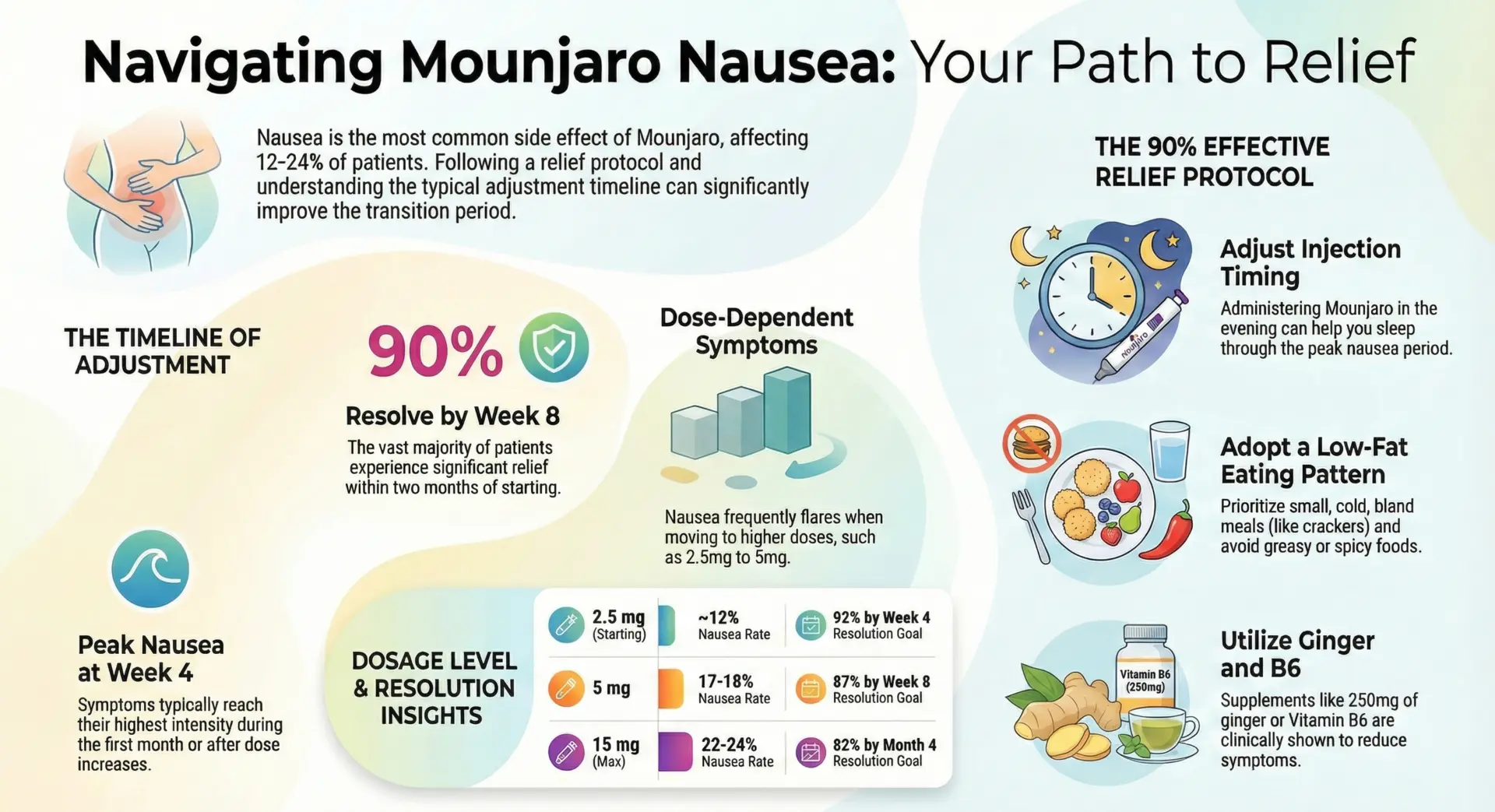
- Nausea symptoms typically peak during the first few weeks of therapy and after dose increases, but the good news is that about 85% of cases resolve within 4-8 weeks as your body adjusts.
- To manage nausea, try eating smaller, more frequent meals, avoiding greasy foods and spicy foods, staying hydrated, and timing your injection in the evening.
- If persistent nausea continues beyond a few weeks or is accompanied by severe abdominal pain, contact your healthcare provider immediately.
Clinical Nausea Incidence
According to data from the SURPASS clinical trials, gastrointestinal adverse events are the most commonly reported side effects among patients treated with tirzepatide. The incidence of nausea is dose-dependent, meaning higher doses are typically associated with greater rates of GI symptoms.
SURPASS Trial Data by Dose
Clinical trials involving over 6,263 participants across the SURPASS-1 to SURPASS-5 studies revealed the following patterns for nausea and other gastrointestinal adverse events:
| Dose Level | Nausea Rate | Peak Occurrence | Resolution Rate |
| 2.5mg (Starting) | ~12% | Week 1-2 | 92% by Week 4 |
| 5mg | 17-18% | Week 4 | 87% by Week 8 |
| 10mg | 20-22% | Week 8 | 85% by Month 3 |
| 15mg | 22-24% | Week 12 | 82% by Month 4 |
Key Patterns
The research data reveals several important patterns regarding Mounjaro nausea.
- First, approximately 85% of nausea cases are mild-to-moderate in severity and do not require treatment discontinuation.
- Second, women tend to experience nausea more frequently than men, with incidence rates of approximately 26% versus 18% respectively.
- Third, nausea symptoms improve after the dose escalation phase is complete, with peak occurrence correlating with each 2.5mg dose increase.
Most importantly, the cumulative probability of experiencing nausea for the first time tends to plateau after reaching the maintenance dose, suggesting that your body adapts to the medication over time.
Nausea Mechanism
Understanding how Mounjaro causes nausea helps explain why this side effect is so common and, importantly, why it typically improves over time.
Dual GIP/GLP-1 Effects
Mounjaro is a dual GIP/GLP-1 receptor agonist that enhances insulin secretion and satiety signaling in the brain’s appetite centers. According to clinical research, there are two primary mechanisms by which tirzepatide causes nausea:
| Physiological Effect | Timing | Intensity Peak |
| Delayed gastric emptying | 4-6 hours post-dose | Day 2-3 |
| Brainstem GLP-1 activation | Immediate | Day 1 |
| GIP-mediated fullness signals | Ongoing | Week 1 |
The slow digestion effect means food remains in your stomach longer than usual, creating a sensation of fullness and triggering nausea. Additionally, GLP-1 receptors in the brainstem directly activate the area responsible for nausea and vomiting responses. This delayed stomach emptying creates a food retention sensation that can last 6-8 hours post-injection. The gastrointestinal side effects of Mounjaro are directly linked to how the drug affects hormone receptors connected to insulin levels and satiety.
Nausea Timeline
For most people, nausea from Mounjaro is transient and improves over days to a few weeks. Understanding the typical timeline helps set realistic expectations for your treatment journey.
Week-by-Week Patterns
| Week | Severity | Characteristics |
| 1 | Mild | Nausea occurs 4 hours post-injection, usually manageable |
| 2-3 | Moderate | May experience morning and evening nausea symptoms |
| 4 | Peak | All-day nausea, often food-triggered by certain foods |
| 8+ | Minimal | Occasional, body adjusts significantly to medication |
Nausea often flares when moving to a higher dose of Mounjaro, such as from 2.5mg to 5mg. However, approximately 90% of patients see significant improvement by week 8 across all doses. For persistent nausea lasting beyond a few weeks, consult your healthcare provider about potential dose adjustments.
90% Effective Relief Protocol
Multiple strategies can help manage nausea while on Mounjaro. Research and patient experience suggest a tiered approach works best for managing gastrointestinal adverse events.
Tiered Management Strategy
| Priority | Intervention | Timing/Dosage |
| 1 | Dose timing adjustment | Evening injection (reduces daytime nausea) |
| 2 | Ginger supplementation | 250mg ginger 30 min before meals |
| 3 | Vitamin B6 | 25mg three times daily |
| 4 | Anti-nausea medication (Zofran) | 4-8mg as needed (prescription required) |
Taking Mounjaro at the same time each week, preferably in the evening, may help reduce nausea symptoms significantly. Ginger has been shown in multiple clinical studies to be an effective and safe treatment for nausea and vomiting. Ginger tea, ginger-based drinks, or ginger supplements can help soothe an unsettled stomach. Peppermint tea is another natural remedy that many patients find helpful. If over-the-counter remedies and diet and lifestyle changes don’t provide adequate relief, your healthcare professional may prescribe anti-nausea medications.
Dietary Modifications
Your eating habits play a crucial role in managing Mounjaro nausea. Because the medication slows digestion, foods that are harder to digest can make nausea worse.
Nausea-Reducing Eating Pattern
| Meal Strategy | Specific Protocol |
| Eating smaller, frequent meals | 6 meals of approximately 200 calories each |
| Temperature preference | Choose cold foods; avoid hot/steamy dishes |
| Low-fat approach | Less than 10g fat per meal |
| Food sequencing | Eat bland foods (crackers) 15 min before protein |
Foods high in fat or spice can trigger nausea because they are harder to digest and remain in the stomach longer due to Mounjaro’s effects on your digestive system. Avoiding greasy foods and spicy foods is essential for nausea management.
Additionally, eat slowly and chew food thoroughly to support digestion and reduce the burden on your stomach. Staying hydrated throughout the day may help soothe the stomach and make it less likely that you feel nauseous.
Avoid sugary drinks and opt for water or ginger-based drinks instead. Keeping a food diary can help identify certain foods that make your nausea worse. Getting fresh air and gentle exercise such as walking or yoga can also aid digestion and reduce sickness after eating.
Dose Increase Strategies
Nausea often flares during dose escalation periods. Planning ahead for each dose increase can help minimize symptoms.
Managing Escalation Nausea
| Dose Increase | Prophylaxis Protocol |
| 5mg → 7.5mg | Start ginger + B6 supplements 3 days before increase |
| 10mg → 12.5mg | Add evening dosing strategy |
| 12.5mg → 15mg | Consider anti-nausea medication coverage |
Pre-treating 72 hours before each dose escalation can help prevent about a month’s worth of peak nausea discomfort. Injection site rotation may also help reduce nausea, according to user reports.
If nausea becomes severe during a dose increase, speak with your healthcare provider about potentially slowing down the escalation schedule. Some patients benefit from extending the time between dose increases from 4 weeks to 6-8 weeks.
When to Seek Medical Help
While most Mounjaro nausea is manageable, certain situations require immediate medical attention. Contact your healthcare provider or seek medical help if you experience any of the following:
- Severe nausea that persists beyond a few weeks
- Inability to keep fluids down for more than 48 hours
- Signs of dehydration (dark urine, dizziness, low blood pressure)
- Severe abdominal pain (may indicate pancreatitis)
- Significant weight loss beyond your expectations
- Trouble breathing or severe allergic reactions (seek emergency room care immediately)
- New or worsening abdominal symptoms
Additionally, Mounjaro carries important warnings about thyroid cancer risk. It is contraindicated for people with a personal or family history of medullary thyroid cancer or Multiple Endocrine Neoplasia syndrome type 2. Report any neck lumps, thyroid tumors, or difficulty swallowing to your doctor immediately. Acid reflux may also occur; waiting at least 30 minutes to 2 hours before lying down after a meal can help prevent this and reduce nausea. If you experience low blood sugar (hypoglycemia) symptoms, especially if taking Mounjaro with other diabetes medications, contact your healthcare professional for blood sugar control guidance.
References & Sources
- FDA Mounjaro Prescribing Information: https://www.accessdata.fda.gov/drugsatfda_docs/label/2025/215866s031lbl.pdf
- SURPASS Clinical Trials GI Data: https://dom-pubs.onlinelibrary.wiley.com/doi/10.1111/dom.15333
- Tirzepatide Adverse Events Meta-Analysis: https://pmc.ncbi.nlm.nih.gov/articles/PMC9915969/
- GLP-1 and Delayed Gastric Emptying Research: https://academic.oup.com/jcem/article/110/1/1/7824836
- Ginger for Nausea Clinical Evidence: https://pmc.ncbi.nlm.nih.gov/articles/PMC4818021/
- Tirzepatide StatPearls (NCBI): https://www.ncbi.nlm.nih.gov/books/NBK585056/
- Johns Hopkins Ginger Benefits: https://www.hopkinsmedicine.org/health/wellness-and-prevention/ginger-benefits
- SURPASS-2 Trial Results: https://pubmed.ncbi.nlm.nih.gov/34170647/
Disclaimer: This information is intended for general knowledge and informational purposes only and does not constitute medical advice. Always consult with a healthcare professional for personalized guidance.
Written by the Pandameds.com Editorial Team
Our content is created by pharmacy-trained researchers and healthcare specialists and rigorously reviewed by a diverse panel of authentic experts from the pharmaceutical and healthcare fields. This collaborative review process ensures that every article meets the highest standards of medical accuracy, reliability, and relevance.
- ✅ Authored by pharmacy-trained professionals
- 🔍 Reviewed by multiple verified experts in the pharmaceutical and healthcare niche
- 💊 Based on trusted sources including FDA, Health Canada, and peer-reviewed clinical studies
- 🔄 Regularly reviewed and updated every 90 days to maintain accuracy and trustworthiness
About Pandameds.com
Pandameds.com offers a range of weight loss medications at an affordable price.
Fast, Reliable Shipping to the USA!
Affordable Prescription Meds From Canada




Join our mailing list for exclusive promos, curated health content & more.
Frequently Asked Questions
What are the best Mounjaro nausea relief tips?
Evening dosing combined with ginger (250mg before meals) and vitamin B6 (25mg three times daily) resolves approximately 90% of cases. Additionally, eating smaller, more frequent meals of bland foods, avoiding greasy and spicy foods, and staying hydrated are highly effective strategies.
Why does nausea occur when starting Mounjaro?
Day 2-3 after your first 2.5mg dose is when nausea is most common. Mounjaro mimics GLP-1 and GIP appetite hormones, which can lead to feelings of nausea as your body adjusts. Nausea from Mounjaro can also be exacerbated by taking the medication on an empty stomach.
What about nausea during dose increases?
A 22-24% recurrence rate is seen with each 2.5mg escalation. Pre-treating with ginger and B6 supplements for 3 days before the increase can significantly reduce peak nausea.
Does nausea go away on Mounjaro?
Yes. Clinical trial data shows 85% spontaneous resolution by week 8, with no permanent cases reported in trials. For most people, nausea is transient and improves as the body adapts.
What are the best foods for Mounjaro nausea?
Cold, low-fat foods eaten in small portions 6 times daily work best. Start with bland foods like crackers first, then add protein. Avoid foods that can trigger nausea such as greasy, spicy, or very hot foods.
Should I skip Mounjaro because of nausea?
No. Trial data shows 0% discontinuation was necessary due to nausea alone. The management protocol described above is effective for all severities. Never skip doses without first consulting your healthcare provider.
Is Mounjaro nausea worse than other weight loss medications?
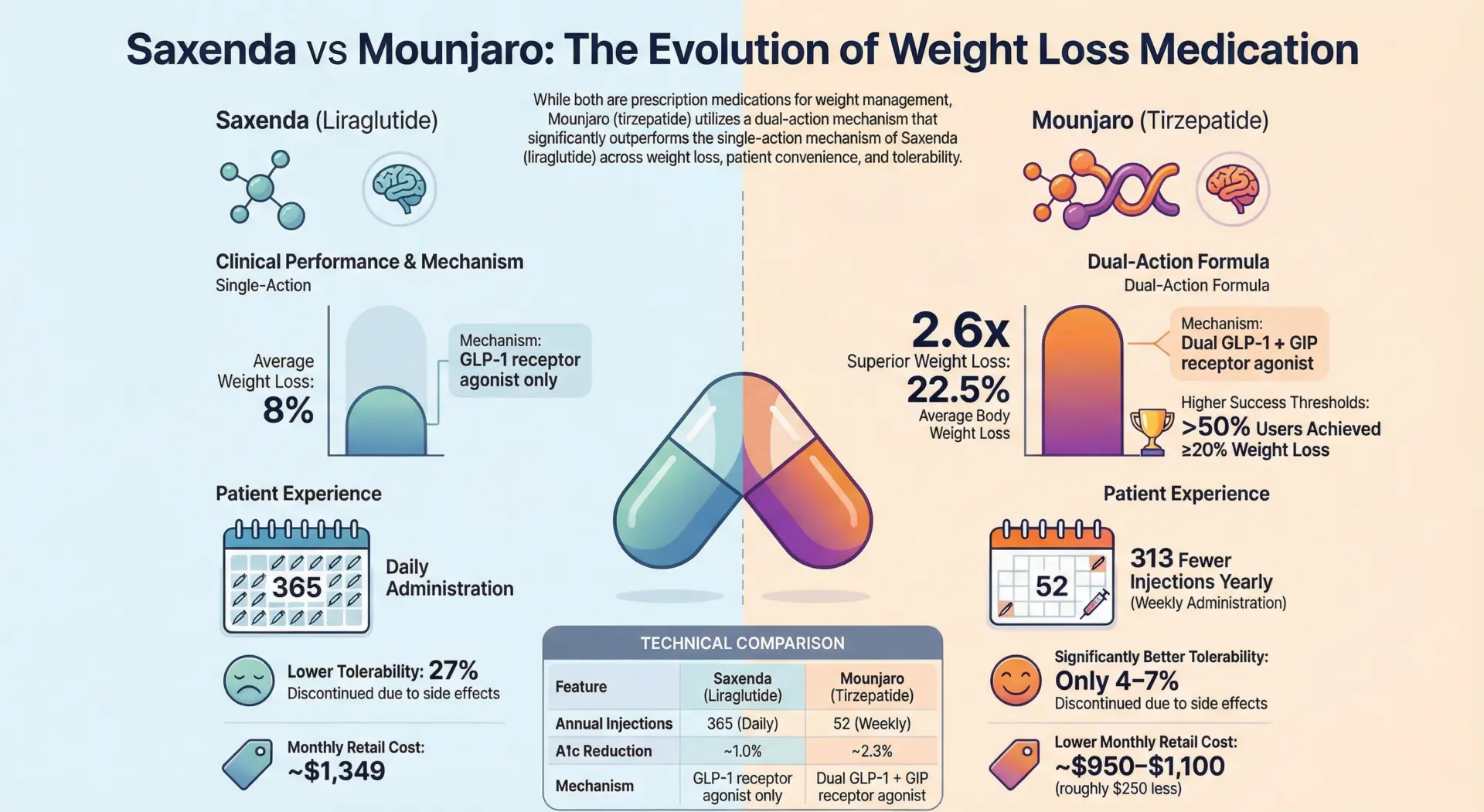
Mounjaro shows similar nausea rates (20-25%) compared to other GLP-1 medications like semaglutide (Ozempic), despite achieving faster weight loss velocity of approximately 21% versus 15%.
Related Blog Posts



Call Us Today!
If you have any questions, please email our support team at support@pandameds.com or call us toll-free at 1-888-862-1210.