
The short answer is that while there is no official FDA contraindication, most providers recommend extreme caution. The prescribing information for Mounjaro does not list a direct drug interaction with alcohol.
However, the absence of a formal warning does not guarantee safety. Both alcohol and Mounjaro affect blood sugar regulation, gastrointestinal function, and metabolic health and their overlapping effects can create real problems.
The two key risks that stand out are hypoglycemia (low blood sugar) and a noticeable change in alcohol tolerance. Alcohol blocks the liver from releasing stored glucose, while Mounjaro independently lowers blood sugar by enhancing insulin sensitivity.
This “double hit” can lead to dangerously low blood sugar levels, especially if you take other diabetes medications like insulin or sulfonylureas. Meanwhile, many patients report feeling intoxicated faster or losing interest in alcohol altogether, a phenomenon increasingly supported by research.
TL;DR
- There is no direct chemical interaction between Mounjaro (tirzepatide) and alcohol, and the FDA-approved prescribing label does not include a specific alcohol warning.
- That said, combining the two can worsen side effects like nausea and vomiting, cause dangerous blood sugar drops, stall weight loss, and increase the risk of pancreatitis and kidney problems.
- Many patients also find their alcohol tolerance decreases significantly on the medication.
- The safest approach is to consult your healthcare provider and, if cleared, drink only in strict moderation.
Is Mounjaro Alcohol Interaction Not Safe?
To understand why alcohol and Mounjaro can be a problematic combination, it helps to look at what happens inside your body when both are present.
The liver is at the center of the conflict. Under normal conditions, your liver releases stored glucose (glycogen) to keep blood sugar stable between meals and overnight. Alcohol directly interferes with this process it suppresses hepatic glucose production for as long as it is being metabolised. At the same time, Mounjaro lowers blood sugar through a separate mechanism: it stimulates glucose-dependent insulin secretion and improves insulin sensitivity. When these two effects combine, blood glucose can drop more steeply and for a longer period than either substance would cause alone.
This is especially concerning for people using Mounjaro alongside insulin or sulfonylureas, where the risk of hypoglycemia is already elevated. Symptoms of low blood sugar such as dizziness, confusion, shakiness, and slurred speech can also mimic the effects of intoxication, making it harder to recognise a genuine hypoglycemic episode.
Beyond blood sugar, alcohol can also affect how well Mounjaro works for weight loss. It slows metabolism, adds empty calories to your diet, and lowers inhibitions often leading to poor food choices that undermine the calorie deficit Mounjaro helps create.
If you are experiencing gastrointestinal side effects from Mounjaro, alcohol may make them significantly worse.
Mounjaro and Alcohol Side Effects: Why You Feel Different
One of the most commonly reported experiences among Mounjaro users who drink is feeling dramatically worse than they used to after even small amounts of alcohol. This is not just perception there is a biological explanation.
Delayed gastric emptying amplifies irritation. Mounjaro slows the speed at which food and liquid leave the stomach (a mechanism known as delayed gastric emptying). When you drink alcohol on Mounjaro, the alcohol stays in contact with the stomach lining for longer, increasing the likelihood of irritation, acid reflux, and nausea. This is a core reason behind the trend of “mounjaro alcohol nausea” that patients frequently discuss online.
Common gastrointestinal side effects of Mounjaro including nausea, vomiting, diarrhoea, and constipation overlap heavily with the effects of alcohol itself. When the two are combined, these symptoms can intensify. Vomiting and diarrhoea, in particular, accelerate fluid loss, which can lead to dehydration and electrolyte imbalances.
Fatigue is another under-discussed consequence. Alcohol disrupts sleep quality, and many Mounjaro users already report changes in energy levels. Combining the two can leave you feeling unusually drained the day after even a single drink. For tips on managing tiredness, see our guide on Mounjaro and energy levels.
Does Mounjaro Change Your Alcohol Tolerance?
A growing number of Mounjaro users report a significant shift in how they respond to alcohol either feeling intoxicated much faster on fewer drinks, or experiencing a complete loss of interest in drinking. This is one of the most talked-about patient experiences with GLP-1 receptor agonist medications.
Research is beginning to explain why. GLP-1 receptors are present in brain regions that regulate reward and motivation, including the nucleus accumbens and ventral tegmental area. When these receptors are activated by drugs like tirzepatide, they appear to dampen dopamine release in response to rewarding stimuli including alcohol.
A 2023 study published in Scientific Reports found that individuals with obesity taking semaglutide or tirzepatide reported significantly fewer drinks per episode, lower odds of binge drinking, and reduced stimulative and sedative effects of alcohol compared to a control group. Among alcohol-related social media posts analysed in the same study, 71% referenced reduced cravings, a decreased desire to drink, or other negative associations with alcohol.
More recently, a 2026 preclinical study in eBioMedicine demonstrated that tirzepatide dose-dependently reduced voluntary alcohol consumption, prevented binge-like and relapse-like drinking in rodents, and attenuated alcohol-induced dopamine release all without signs of nausea or tolerance.
If you have noticed that wine, beer, or cocktails no longer appeal to you since starting Mounjaro, this is a widely shared experience and may be a beneficial side effect especially for those aiming to reduce alcohol-related calorie intake and improve weight loss progress.
Serious Health Risks: Dehydration and Pancreatitis
1. Dehydration
It is one of the more immediate and underappreciated risks. Alcohol suppresses vasopressin (antidiuretic hormone), increasing urination and fluid loss. Mounjaro’s gastrointestinal side effects especially vomiting and diarrhoea can compound this. Mild dehydration may cause headaches and dry mouth, but severe dehydration can strain the kidneys and, in extreme cases, contribute to acute kidney injury (National Kidney Foundation – Alcohol and Kidneys). It is essential to distinguish between everyday mild dehydration and the kind of serious fluid loss that requires medical attention.
2. Pancreatitis
It is a rare but serious concern. Both heavy alcohol consumption and GLP-1 receptor agonists have been independently associated with an elevated risk of pancreatitis. When the two are combined, the theoretical risk increases. Warning signs include severe abdominal pain that radiates to the back, nausea, vomiting, and fever. If you experience these symptoms, seek emergency medical care immediately.
Important: Proper medication storage also matters during illness. If dehydration or gastrointestinal distress causes you to miss doses or mishandle your pen, your treatment may be disrupted. For storage tips, see our guide on Mounjaro refrigeration.
How to Safely Have a Drink While on Mounjaro
If your healthcare provider has cleared you for occasional, moderate alcohol consumption while on Mounjaro, a few practical steps can help minimise risk:
- Eat protein first: Having a balanced meal before drinking slows alcohol absorption and helps stabilise blood sugar. For meal ideas, check out our guide on what to eat on Mounjaro.
- Choose lower-sugar options: Opt for spirits with soda water, dry wine, or light beer. Avoid sugary cocktails they spike blood sugar and can worsen bloating and sulfur burps.
- Follow the 1:1 Rule: Drink one full glass of water for every alcoholic drink. This simple habit helps combat dehydration and slows your overall alcohol intake.
- Monitor blood sugar closely: Check your levels before, during, and after drinking. Keep fast-acting glucose (tablets or juice) on hand in case of hypoglycemia.
- Start slow if you’re new to Mounjaro: When first starting the medication, it is best to avoid alcohol entirely until you understand how your body responds. Gradually test your tolerance with small amounts.
- Never skip your dose to drink: Mounjaro has a long half-life and remains active in your system for days. Skipping a dose will not eliminate the risks and disrupts your treatment plan.
Disclaimer: This information is intended for general knowledge and informational purposes only and does not constitute medical advice. Always consult with a healthcare professional for personalized guidance.
Written by the Pandameds.com Editorial Team
Our content is created by pharmacy-trained researchers and healthcare specialists and rigorously reviewed by a diverse panel of authentic experts from the pharmaceutical and healthcare fields. This collaborative review process ensures that every article meets the highest standards of medical accuracy, reliability, and relevance.
- ✅ Authored by pharmacy-trained professionals
- 🔍 Reviewed by multiple verified experts in the pharmaceutical and healthcare niche
- 💊 Based on trusted sources including FDA, Health Canada, and peer-reviewed clinical studies
- 🔄 Regularly reviewed and updated every 90 days to maintain accuracy and trustworthiness
About Pandameds.com
Pandameds.com offers a range of weight loss medications at an affordable price.
Fast, Reliable Shipping to the USA!
Affordable Prescription Meds From Canada


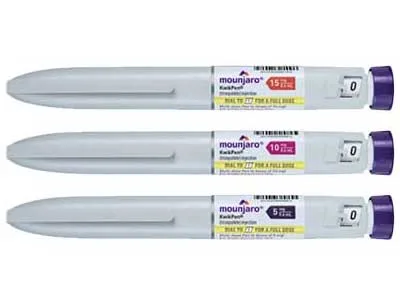
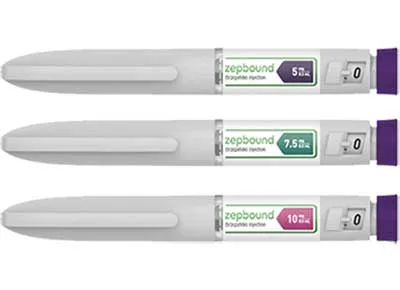


Join our mailing list for exclusive promos, curated health content & more.
Frequently Asked Questions
Can I skip my Mounjaro dose to drink at a wedding?
No. Tirzepatide has a half-life of approximately five days, which means it remains active in your body long after your injection. Skipping a dose will not eliminate the medication’s effects or reduce the interaction risks with alcohol. It will, however, disrupt your treatment schedule and potentially reduce the medication’s effectiveness. If you have a special event coming up, discuss timing with your healthcare provider in advance.
Is wine better than beer on Mounjaro?
Neither is inherently “safe,” but they differ in calorie density and how they may affect your stomach. A standard glass of dry wine (around 120–130 calories) is generally lower in carbohydrates than a regular beer (around 150 calories with more carbs). Light beer is another lower-calorie option. The bigger concern is volume and sugar content sweet wines and craft beers can carry significantly more calories and may cause more bloating.
Does alcohol affect how well Mounjaro works?
There is no evidence that alcohol chemically reduces Mounjaro’s efficacy. However, alcohol indirectly undermines the medication’s benefits by adding empty calories, stimulating appetite, lowering inhibitions around food, and disrupting blood sugar control all of which can slow or stall weight loss progress.
How long should I wait after my Mounjaro injection to drink?
While there is no official guideline, many providers suggest waiting at least 24 to 48 hours after your injection, particularly if you experience gastrointestinal side effects around injection day. This gives your body time to adjust and reduces the likelihood of compounding nausea or discomfort.
Related Blog Posts

Call Us Today!
If you have any questions, please email our support team at support@pandameds.com or call us toll-free at 1-888-862-1210.