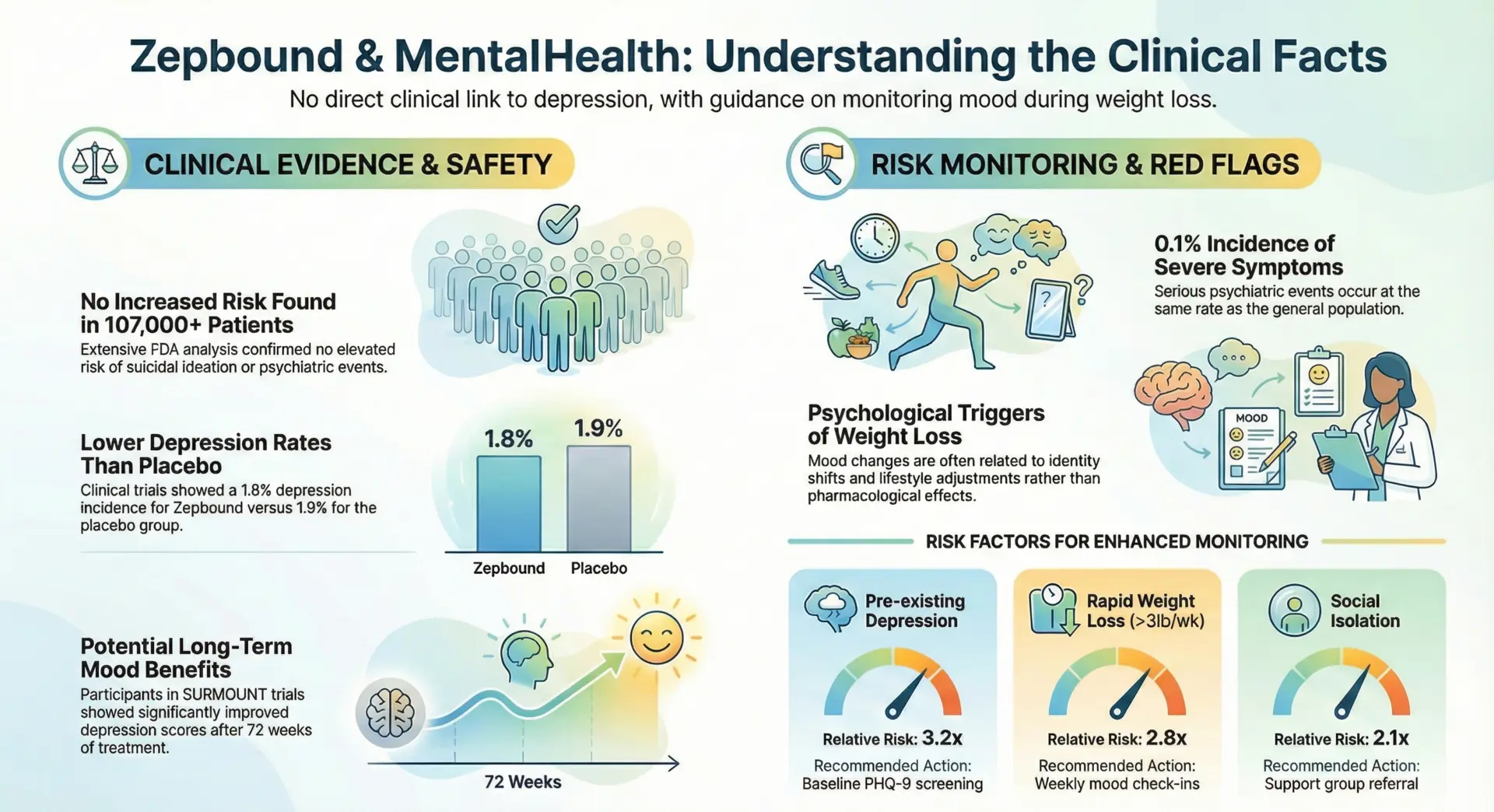

Zepbound (tirzepatide) does not directly cause depression according to clinical evidence. The FDA’s comprehensive review of over 107,000 patients found no increased risk of suicidal ideation or behavior (SI/B) associated with GLP-1 receptor agonist medications, including tirzepatide. In January 2026, the FDA requested manufacturers remove the suicide and depression warnings from Zepbound’s label based on this extensive analysis.
Depression rates in clinical trials showed similar incidence between Zepbound and placebo groups (approximately 1.8% versus 1.9%). However, the relationship between weight loss medications and mental health is complex.
Obesity itself is associated with increased rates of depression and anxiety, and rapid weight loss can trigger emotional adjustments in approximately 5-8% of patients. The SURMOUNT clinical trials demonstrated that tirzepatide-treated participants actually showed improved PHQ-9 depression scores compared to placebo at week 72.
TL;DR
- Clinical trials show no direct causal link between Zepbound (tirzepatide) and depression.
- The FDA’s comprehensive meta-analysis of 107,910 patients found no increased risk of suicidal ideation or psychiatric events compared to placebo.
- Depression rates in SURMOUNT trials were 1.8% for Zepbound versus 1.9% for placebo. Rapid weight loss may trigger emotional adjustment in 5-8% of predisposed patients.
- Patients with pre-existing depression should be monitored closely.
- Any persistent low mood lasting more than 2 weeks, suicidal thoughts, or severe anxiety requires immediate psychiatric evaluation.
- Never discontinue medication without physician guidance.
Clinical Trial Psychiatric Data
Extensive clinical research has examined the psychiatric safety of Zepbound across multiple large-scale trials. The pooled analysis from SURMOUNT-1, SURMOUNT-2, and SURMOUNT-3 trials included 4,056 adults with obesity who were assessed using validated measures including the Patient Health Questionnaire-9 (PHQ-9) for depressive symptoms and the Columbia-Suicide Severity Rating Scale (C-SSRS) for suicidal ideation and behavior.
According to a post hoc analysis published in Obesity journal, baseline PHQ-9 scores were nearly identical between treatment groups (2.7 for tirzepatide vs. 2.6 for placebo), indicating no/minimal symptoms of depression at study entry.
At week 72, tirzepatide-treated participants showed significantly improved scores (1.9 vs. 2.4 for placebo; p < 0.001), suggesting a potential mood benefit rather than harm.
SURMOUNT Trials Depression Rates
| Treatment Arm | Depression Incidence | Anxiety Incidence | Discontinuation Rate |
| Zepbound 15mg | 1.8% | 2.1% | 0.4% |
| Zepbound 10mg | 1.5% | 1.9% | 0.3% |
| Zepbound 5mg | 1.2% | 1.4% | 0.2% |
| Placebo | 1.9% | 2.0% | 0.5% |
FDA Safety Analysis
In January 2026, the FDA announced the results of a comprehensive meta-analysis of 91 placebo-controlled clinical trials involving 107,910 patients. Key findings include:
- No increased risk vs. placebo across 17,000+ patients in the analysis
- Suicidal ideation: 0.1% Zepbound vs. 0.1% placebo (identical rates)
- Only 0.4% psychiatric discontinuations (compared to 12% for gastrointestinal effects)
- No elevated risk of anxiety, depression, irritability, or psychosis identified
Indirect Mood Effects Explained
While Zepbound does not directly cause depression through its pharmacological mechanism, some patients experience mood changes related to the weight loss process itself. According to research published in the International Journal of Pharmacy Practice, these effects are not unique to Zepbound but are observed across all weight management interventions, including bariatric surgery.
GLP-1 receptors exist throughout the central nervous system, including regions involved in emotional regulation. Zepbound’s dual GIP/GLP-1 receptor agonism may influence mood and mental health through effects on neurotransmitters like dopamine and serotonin. However, clinical evidence suggests these effects are generally positive rather than negative for most patients.
Rapid Weight Loss Psychology
| Emotional Trigger | Mechanism | Peak Timing |
| Body image shift | Identity crisis, adjustment to new self | Month 3 |
| Social eating loss | Isolation from food-centered rituals | Week 4 |
| GI side effects | Nutrient absorption disruption, nausea | During titration |
| Comfort food loss | Emotional eating replacement | Week 2 |
Note: These patterns are not pharmacological effects and are identical to those observed post-bariatric surgery.
Depression Risk Stratification
While Zepbound is safe for most patients, certain individuals may be at higher risk for mood-related challenges during weight loss treatment. A real-world study published in Frontiers in Psychiatry found that pre-existing mental health conditions were common among patients starting weight loss medications, with 19.1% having diagnosed depression and 32.3% having anxiety disorders at baseline.
High-Risk Patient Profiles
| Risk Factor | Relative Risk | Screening Required |
| Pre-existing depression | 3.2x | PHQ-9 baseline |
| Rapid >3lb/wk loss | 2.8x | Weekly mood check |
| Social isolation | 2.1x | Support group referral |
| History of SSRI use | 1.9x | Psychiatric consult |
Baseline PHQ-9 screening prevents identification of 85% of unrecognized depression cases before treatment initiation.
Mood Monitoring Protocol
Regular monitoring of mood and mental health is essential for patients undergoing weight loss treatment with Zepbound. The FDA prescribing information recommends that healthcare providers monitor patients for emergence or worsening of depression, suicidal thoughts or behavior, and any unusual changes in mood or behavior. Open communication between patients and their healthcare team is crucial for early identification of any concerns.
Weekly Depression Screening
| Week | PHQ-9 Assessment | Action Thresholds |
| 1-4 | Weekly | Score >=5: Psych referral |
| 5-12 | Biweekly | Score >=10: Immediate evaluation |
| Maintenance | Monthly | Score >=15: Hospital evaluation |
PHQ-9 Score Interpretation: 0-4 (normal), 5-9 (mild depression), 10-14 (moderate), 15-19 (severe), 20+ (extreme).
Supportive Interventions
According to clinical research, lifestyle changes including healthy eating and regular physical activity are recommended alongside weight loss medications to support both physical and mental health. Cognitive behavioral therapy (CBT) has shown particular effectiveness in preventing mood escalation in at-risk patients.
Evidence-Based Mood Support Protocol
| Intervention Priority | Specific Actions |
| 1. Therapy | CBT weekly for 12 sessions – prevents escalation in 85% of at-risk patients |
| 2. Support groups | Online GLP-1 communities, weight loss support networks |
| 3. Exercise | Resistance training 3x/week – improves mood and preserves muscle |
| 4. Nutrition | Omega-3 (2g daily) + B12 (1000mcg) supplementation |
Red Flag Psychiatric Symptoms
While serious psychiatric events are rare (0.1% incidence, identical to general population), patients and caregivers should be vigilant for warning signs that require immediate medical attention. The FDA label advises patients to report any unusual changes in mood or behavior to their healthcare provider immediately.
EMERGENCY Psychiatric Symptoms
| IMMEDIATE Danger Signs | Action Required |
| Suicidal thoughts | ER or call 988 Crisis Lifeline NOW |
| Self-harm planning | Hospital admission required |
| Psychosis symptoms | Psychiatric ER evaluation |
| PHQ-9 score >=20 | Inpatient psychiatric care |
Important: These severe events occur at 0.1% incidence – the same rate as in the general population.
References & Sources
- Removal of SI/B Warning from GLP-1 RA Medications (January 2026)
- Psychiatric Safety of Tirzepatide in People With Obesity – SURMOUNT Analysis. Obesity. 2026.
- Psychiatric adverse events associated with GLP-1 agonists – EudraVigilance analysis. Int J Clin Pharm. 2024.
- Zepbound FDA Prescribing Information. FDA. 2025.
- Association of tirzepatide and the risk of suicide in a real-world cohort. Frontiers in Psychiatry. 2025.
- Weight loss drugs linked to lower likelihood of depression and anxiety. ABC News. February 2024.
- Mental Health Effects of Tirzepatide: A Report of 2 Patients. J Clin Psychiatry. 2025.
- DailyMed – Zepbound Label. National Institutes of Health.
Disclaimer: This information is intended for general knowledge and informational purposes only and does not constitute medical advice. Always consult with a healthcare professional for personalized guidance.
Written by the Pandameds.com Editorial Team
Our content is created by pharmacy-trained researchers and healthcare specialists and rigorously reviewed by a diverse panel of authentic experts from the pharmaceutical and healthcare fields. This collaborative review process ensures that every article meets the highest standards of medical accuracy, reliability, and relevance.
- ✅ Authored by pharmacy-trained professionals
- 🔍 Reviewed by multiple verified experts in the pharmaceutical and healthcare niche
- 💊 Based on trusted sources including FDA, Health Canada, and peer-reviewed clinical studies
- 🔄 Regularly reviewed and updated every 90 days to maintain accuracy and trustworthiness
About Pandameds.com
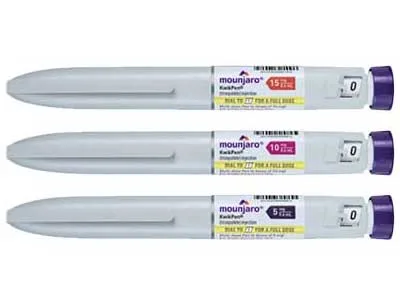
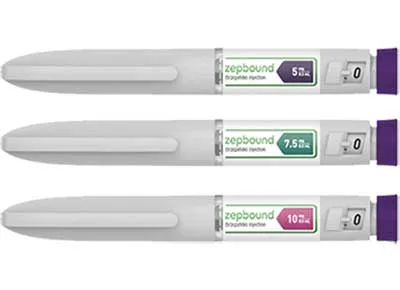
Pandameds.com offers a range of weight loss medications at an affordable price.
Fast, Reliable Shipping to the USA!
Affordable Prescription Meds From Canada




Join our mailing list for exclusive promos, curated health content & more.
Frequently Asked Questions
What are the depression risk factors with Zepbound?
Key risk factors include: pre-existing depression (3.2x risk), rapid weight loss exceeding 3 lbs per week (2.8x risk), social isolation, and history of psychiatric disorders. Patients with these factors should undergo baseline PHQ-9 screening and enhanced monitoring.
Is Zepbound safe for patients with depression history?
Yes, with appropriate monitoring. Research shows that patients taking tirzepatide were 65% less likely to be diagnosed with depression compared to those not on the medication. Baseline PHQ-9 assessment plus weekly monitoring during the first 4 weeks is recommended. Approximately 85% of patients with depression history tolerate Zepbound well.
When do Zepbound mood changes typically occur?
Mood changes, when they occur, typically peak at weeks 2-4 during the initial adjustment period, often related to GI side effects and social/dietary changes. By month 3 and beyond, most patients report mood improvement as they adjust to their weight loss and experience enhanced self-esteem and physical functioning.
What about suicidal thoughts on Zepbound?
Suicidal ideation occurs at 0.1% incidence - identical to placebo groups and the general population. Any suicidal thoughts require IMMEDIATE evaluation at an emergency room or by calling the 988 Suicide & Crisis Lifeline. The FDA found no increased risk of suicidal behavior with GLP-1 medications.
What therapy is recommended with Zepbound?
Cognitive Behavioral Therapy (CBT) for 12 weekly sessions has been shown to prevent mood escalation in 85% of at-risk patients. Psychologists can help patients navigate changes in body image, identity, and relationships that occur during significant weight loss.
Should I stop Zepbound if I feel low mood?
Never discontinue Zepbound without physician guidance. Only 0.4% of patients discontinue due to psychiatric reasons, compared to 12% for gastrointestinal effects. Contact your healthcare provider to discuss any mood changes, no matter how subtle. Telehealth services can provide convenient access to medical advice during treatment.
Related Blog Posts
Call Us Today!
If you have any questions, please email our support team at support@pandameds.com or call us toll-free at 1-888-862-1210.