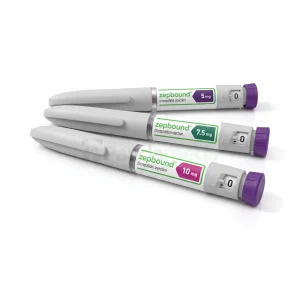
Constipation is a common Zepbound side effect. The side effect mainly occurs because the medication slows gastric emptying and digestive tract motility. This means food and stool move more slowly through the intestines. At the same time, if you eat less and drink less fluid, it may lead to harder, drier stools and fewer bowel movements.
If you are also experiencing Zepbound constipation, then understanding such factors can help you better manage the side effect. In this guide, we will thoroughly walk you through the link between Zepbound and constipation, how you can relieve the side effect and when you should reach out to your healthcare provider.
Key Takeaways
- Constipation is a common side effect of Zepbound, typically manageable with lifestyle adjustments.
- It primarily results from slower digestion due to the medication’s effect on gastric emptying, combined with reduced food and fluid intake.
- Increasing fiber intake gradually, drinking plenty of fluids, and engaging in regular physical activity are the first-line strategies to relieve constipation.
- Soluble fiber and fiber supplements like psyllium husk can support bowel regularity and gut health.
- If constipation becomes severe, persistent, or is accompanied by symptoms like severe abdominal pain, contact your healthcare provider promptly.
Does Zepbound Cause Constipation?
Yes, constipation is a recognized, common side effect of Zepbound. The side effect is more common during the early stages of treatment and after dose increases. However, do note that you should follow the prescribed dosage of your healthcare provider to get the best results.
Below, we have shared some key aspects of Zepbound constipation.
- Constipation with Zepbound is usually mild.
- It often occurs because the medication slows stomach emptying and gastrointestinal transit.
- About 11% of patients experience constipation mainly when starting treatment or escalating the dose.
- Symptoms tend to improve as the body adjusts to the medication over time.
- Constipation is listed among the gastrointestinal adverse events related to Zepbound.
Why Zepbound Causes Constipation
Zepbound works for weight loss by slowing the rate at which your stomach empties. This means food stays longer in your stomach before moving to the intestines. Moreover, the drug also reduces appetite, causing you to eat and drink less than usual.
Together, these effects slow down bowel movements and assist with weight loss. Stool moves more slowly through the digestive tract, which can lead to constipation.
Below, we have mentioned the key causes of Zepbound constipation.
- Delayed Digestion and Gut Mobility: Zepbound mimics a natural gut hormone, glucagon-like peptide-1 (GLP-1), and controls how quickly food and waste travel through your digestive tract.
- Increased Water Absorption: As water stays in your colon for a longer duration, your large intestine has more time to absorb water from stool.
- Reduced Fluid and Water Intake: The GLP-1 medications suppress your appetite for supporting chronic weight management. However, this also causes you to consume fewer total fluids and fiber-rich foods throughout the day.
- Dose Up-Titration: Constipation spikes are common when you first start the GLP-1 drug or when your healthcare provider increases the dosage.
How to Relieve Constipation on Zepbound
If you experience constipation while on Zepbound, you can follow the simple tips we have shared below to ease the side effect.
- Drink plenty of fluid throughout the day: This helps keep stools soft and easier to pass. You can include water, soups and juices in your Zepbound diet. However, avoid alcoholic, carbonated and other unhealthy beverages as they may worsen constipation. An optimal daily fluid intake can also help to prevent low blood sugar and high blood pressure.
- Add fiber slowly to your diet: Choose whole foods like fruits, vegetables, and whole grains. It is best to gradually increase the fiber intake to support bowel movements and prevent bloating.
- Stay active with regular physical exercise: Moving your body helps stimulate your digestive system and gut motility. You do not necessarily need to partake in heavy physical activity. Instead, choose one that you like. This will also help with blood sugar control while supporting gut health.
- Eat meals regularly, even if your appetite is low: The GLP-1 medication, Zepbound, reduces appetite to support weight loss. However, to ensure optimal overall health and regular bowel movements, you will need to provide your body with necessary nutrients. Eating smaller, nutrient-dense meals can help with this.
- Talk to your healthcare provider about laxatives: If the GLP-1 medication is still making it difficult for you to manage constipation, then perhaps a laxative may provide you with relief. However, you should first discuss this with your healthcare provider before actually consuming the drug.
When to Call Your Prescriber
If constipation lasts several days or worsens, seek medical help. Severe abdominal pain or bloating with vomiting are red flags. Not passing stool or gas with increasing discomfort also requires prompt attention. These symptoms may signal a serious problem like bowel obstruction.
Do not change your Zepbound dose without consulting your prescriber. Only your healthcare provider should adjust your medication to ensure safety and effectiveness. Always report persistent or severe symptoms immediately.
How US Patients Access Zepbound
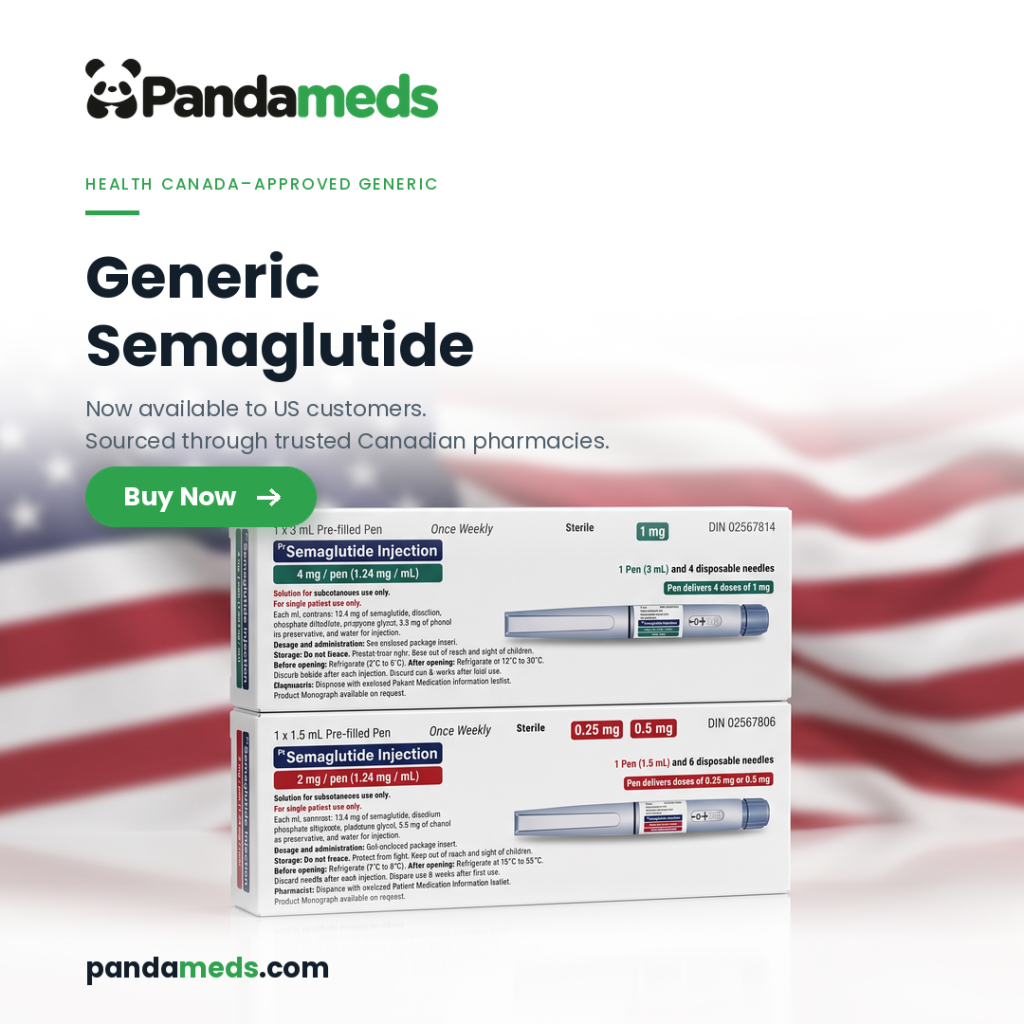
U.S. patients can access Zepbound through PandaMeds.com, a Canadian prescription referral service. To order, you need a valid prescription from a U.S. healthcare provider. After uploading your prescription, you can place your order for Zepbound and complete the purchase.
Medications are shipped directly to your home with tracked cold-chain shipping. This ensures the medication stays safe and effective during transit.
New customers can use the PANDA10 discount code for 10% off their first order. PandaMeds.com helps you get authentic Zepbound safely and affordably, but it does not prescribe or dispense medications itself.