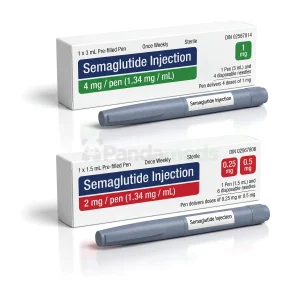
Compounded semaglutide refers to customized versions of the FDA-approved semaglutide medications, prepared by state-licensed pharmacies to meet specific patient needs. These compounded injectable semaglutide products are not FDA-approved.
The compounded variant has become a topic of attention among patients who have been prescribed glucagon-like peptide-1 (GLP-1) medications and are looking for the same.
While FDA-approved semaglutide products like Ozempic and Wegovy are available on the market, patients are still looking for compounded versions because branded versions are generally on the pricier side and may not be easily accessible. However, compounded medications generally lack quality control and regulations, resulting in adverse events.
Hence, knowing all the key details about compounded semaglutide is a must for patients.
Quick Answer: What Is Compounded Semaglutide?
- Compounded semaglutide is a customized medication produced by compounding pharmacies to meet individual patient needs. These pharmacies may alter dosage or formulations.
- These medications are prepared by mixing or preparing semaglutide in forms that are not approved by the FDA. Hence, they lack safety and effectiveness.
- While brand-name semaglutide like Ozempic and Wegovy undergo rigorous clinical trials and quality controls, this is not the case with compounded semaglutide.
- Patients often use compounded semaglutide because of their lower cost compared to the FDA-approved versions.
- The medication can prove to be an alternative option during shortages of brand-name semaglutide products.
What Is a Compounded Medication?
Compounding of medication is the process of making customized medications to meet the specific needs of individual patients. During the process of compounding, pharmacists modify the drug formulation to better suit patients’ specific requirements, especially when commercially available products are not sufficient.
Why Compounding Exists
- Customized dosing: To adjust the medications’ strength, formulation, or dosage to fit the unique needs of patients.
- Allergy accommodations: Removing or substituting any allergens or unwanted ingredients.
- Alternative dosage forms: Creating other forms of medication such as liquid or topical to help patients who have difficulty swallowing pills.
- Medication shortages: Providing access to medications when there is a shortage of FDA-approved versions like Ozempic and Wegovy or generic semaglutide.
Traditional Compounding Pharmacies (503A)
Traditional compounding pharmacies are regulated under section 503A. They prepare medications based on individual patient prescriptions. Such pharmacies are overseen by the state and they generally focus on creating personalized preparations customized to meet specific medical needs.
Outsourcing Facilities (503B)
These facilities are classified under section 503B. Generally, they must register with the FDA and are supposed to follow stricter regulatory standards to ensure higher quality and safety for compounded products before distributing to healthcare providers.
When Compounding May Be Appropriate
Compounding is considered apt when patients have unique medical needs, especially when those needs are not met by commercially available or FDA-approved drugs. However, such decisions should be guided by documented medical necessity and healthcare provider recommendations.
How Does Semaglutide Work as a GLP-1 Medication?
Semaglutide is a medication that falls in the class of drugs known as glucagon-like peptide-1 (GLP-1) receptor agonists. These medications are made to mimic the effect of the naturally occurring hormone, GLP-1, in the body that generally makes us feel full and helps control appetite.
The medication is primarily used for regulating blood sugar levels in patients with type 2 diabetes and supports weight loss in people struggling with excessive body weight.
Understanding GLP-1 Receptor Agonists
GLP-1 is a hormone that is naturally produced in the intestines after food intake. It plays an important role by maintaining glucose balance and regulating appetite. Talking about semaglutide, it acts as a GLP-1 receptor agonist, which activates these receptors, thereby mimicking the hormone’s effect.
This activation leads to a series of responses that help the body manage blood sugar more effectively and reduce hunger. This mechanism makes it easier for patients to lose weight and maintain healthier glucose levels.
How Semaglutide Improves Blood Sugar Control
- The presence of semaglutide in the body increases insulin secretion from the pancreas when blood sugar levels are high.
- Besides, it decreases glucagon release, thereby reducing glucose production by the liver.
- Moreover, it enhances overall glucose regulation, allowing you to maintain stable blood sugar levels.
How Semaglutide Supports Weight Loss
- Appetite suppression is one of the results of semaglutide, which impacts brain centers that are responsible for controlling hunger.
- The medication increases the feeling of fullness or satiety, which reduces the overall food intake.
- It also slows down gastric emptying, leading to prolonged digestion and improved satiety.
- The medication leads to reduced calorie intake and helps you with gradual weight loss.
Is Compounded Semaglutide FDA Approved?
Compounded semaglutide is not approved by the FDA, which simply means that it has not undergone the rigorous evaluation process that is usually required for prescription-based medications to ensure their effectiveness, quality, and safety.
While there are some FDA-approved semaglutide products such as Ozempic, Wegovy, and Rybelsus, compounded versions of semaglutide are made by pharmacies to customize the medication based on individual patient needs without any compliance with regulatory or safety practices.
The lack of formal approval raises concern for patients and healthcare providers during treatment.
Why Compounded Semaglutide Is Not FDA Approved
- Compounded semaglutide lacks a New Drug Application (NDA) submission to the FDA.
- It does not undergo FDA premarket review for safety and efficacy.
- There are no mandatory clinical trials conducted to validate its use.
- The compounded medication is not subject to the same manufacturing standards as approved drugs.
- It is intended to fill gaps during shortages or unique patient needs, not to replace approved prescription medicines.
What FDA Approval Means
FDA approval ensures that a medication has been thoroughly tested and reviewed for safety, effectiveness, and consistent manufacturing quality. This process involves evaluating clinical trial data to confirm that the drug works as intended and that its benefits outweigh potential risks.
Additionally, the FDA oversees manufacturing practices to maintain high standards, and post-market monitoring tracks adverse events to protect public health. This comprehensive review provides confidence to both health care professionals and patients that the medication meets strict quality and safety benchmarks.
FDA Concerns About Compounded Semaglutide
- Inconsistent dosing and concentration variability across batches.
- Potential quality and sterility issues due to less stringent manufacturing controls.
- Unverified active ingredient sources and possible use of salt forms not found in FDA-approved products.
- Risks of contamination, especially with multi-dose vials, increasing infection potential.
- Lack of standardized labeling and instructions, increasing the chance of incorrect administration.
- Reports of adverse events linked to compounded semaglutide, including hospitalizations and deaths.
How Does Compounded Semaglutide Work in the Body?
As stated, compounded semaglutide is designed to mimic the effects of the FDA-approved semaglutide medications by acting as a GLP-1 receptor agonist. This means that it aims to mimic the natural role of the GLP-1 hormone in the body.
This hormone is related to appetite suppression, blood sugar regulation, and weight management in individuals. However, the biggest concern here is that this medication is not subject to the same testing and standardization that is followed by FDA-approved drugs. Hence, its consistency and effectiveness cannot be verified.
Intended GLP-1 Effects
- Appetite suppression: Medications like semaglutide are meant to reduce hunger signals in the brain, thereby decreasing food intake.
- Blood sugar regulation: They also improve insulin secretion in the body, which ultimately reduces glucagon release, leading to stabilized blood glucose levels.
- Weight management: By promoting the feeling of fullness and slowing down stomach emptying, patients taking this medication may consume fewer calories, which leads to gradual weight loss.
Factors That Influence Effectiveness
- Ingredient source: It is important to note that the quality and purity of active ingredients in the compounded version usually differ.
- Stability: Proper storage and handling play a great role in maintaining drug potency.
- Formulation quality: The variation in compounding methods can affect the working of the medication.
- Dose accuracy: If the dosing is inconsistent, it can lead to underdose or overdose, which thereby impacts results as well as safety.
Why Clinical Outcomes May Vary
Compounded semaglutide usually lacks standardized clinical testing and batch-to-batch consistency. Hence, it is highly possible that patients may experience different outcomes as compared to their FDA-approved versions.
Besides that, variation in formulation, dosage and storage altogether contributes to unpredictable efficacy. Moreover, individual patient conditions and their adherence to the treatment also play a significant role.
In short, without regulatory oversight, compounded semaglutide may not deliver reliable and safe results.
Safety Risks, Side Effects, and FDA Concerns
Compounded semaglutide has several safety risks due to variation in formulation, dosing inaccuracies and lack of regulatory oversight. The sections below will help you have a closer look at safety risks, side effects and FDA concerns of this medication:
Dosing Errors
- Multi-dose vial confusion can lead to incorrect dosing.
- Measurement mistakes increase the risk of overdose or underdose.
- Overdose risks can lead to severe side effects and hospitalizations.
Ingredient and Formulation Concerns
- Some compounded products may have salt forms of semaglutide that are not found in the FDA-approved medications.
- Due to a lack of quality control, unverified additives or harmful ingredients may be present.
Contamination Risks
- If compounding is done in uncontrolled environments, sterility concerns may arise.
- Handling of multi-dose vials may increase the risk of contamination and infection.
- Product safety may be hampered due to manufacturing differences.
Common Side Effects
- Nausea
- Vomiting
- Diarrhea
- Constipation
- Abdominal pain
Serious Adverse Events
- Pancreatitis: Inflammation of the pancreas can cause severe abdominal pain.
- Gallbladder problems: Including gallstones or inflammation.
- Kidney injury: Reduced kidney function or damage.
- Severe dehydration: Excessive fluid loss leading to serious health issues.
- Low blood sugar: Significant drops in blood glucose levels, especially in diabetic patients.
- Mood changes: Alterations in mood or mental state.
- Medullary thyroid carcinoma risk: Potential increased risk of a rare thyroid cancer associated with semaglutide use.
The risks associated with the use of compounded semaglutide highlight the importance of consulting a health care provider before using it.
Why Compounded Semaglutide May Not Work as Expected
The compounded version of semaglutide may not deliver the same weight loss results or blood sugar control due to several factors. This largely depends on compounding factors such as the compounding process, storage, and how it is administered.
- Incorrect or inconsistent dosing may be caused by variable concentrations and labeling confusion.
- Product quality issues can arise from improper storage, degradation, or delay in shipping.
- Besides that, patient lifestyle and underlying health conditions may lead to variable results.
- Challenges with adherence to dosing and improper injection techniques.
- Each person responds to the medication differently, which can impact results.
Compare Compounded Semaglutide With FDA-Approved GLP-1 Medications
Compounded semaglutide lacks FDA approval, clinical trials, and standardized dosing. This can lead to variable quality and effectiveness. On the other hand, FDA-approved GLP-1 drugs like Ozempic, Wegovy, and Rybelsus go through rigorous testing. Their reliability can be compared by analyzing the table below.
| Feature | Compounded Semaglutide | Ozempic | Wegovy | Rybelsus |
| FDA Approved | No | Yes | Yes | Yes |
| Clinical Trials | No | Yes | Yes | Yes |
| Standardized Dosing | No | Yes | Yes | Yes |
| Manufacturing Oversight | Limited | Extensive | Extensive | Extensive |
| Prefilled Delivery | Usually No | Yes | Yes | N/A (tablet) |
| Weight Loss Data | Limited | Strong | Strong | Moderate |
| Diabetes Approval | No | Yes | No | Yes |
| Quality Consistency | Variable | High | High | High |
Which Option Is Right for Most Patients?
For most patients, FDA-approved semaglutide is the most reliable choice. However, physician guidance is important to balance its cost and safety. If your personalized treatment requires compounded medications, make sure that you take them under the supervision of your healthcare provider.
Cost, Access, and Online Purchasing Risks
Due to the increased demand for weight loss drugs like semaglutide, many patients have been looking for affordable alternatives, which may include compounded versions. Due to the high cost of brand-name semaglutide and limited insurance coverage for FDA-approved medications, patients end up looking for cheaper options.
However, purchasing these drugs online may carry increased risks that patients should carefully consider.
- Cost Comparison
Compounded semaglutide is generally available at a lower price point as compared to brand-name drugs such as Ozempic, Wegovy, and Rybelsus. Hence, the compounded version attracts cost-conscious patients. However, you must remember that lower cost may lead to safety and effectiveness concerns.
- Insurance Coverage Challenges
Many insurance plans do not cover weight loss drugs or sometimes cover them with high out-of-pocket expenses. These insurance coverage challenges make treatment costly for patients. Apart from that, reimbursement issues and the requirement of prior authorization also complicate access.
- Risks of Buying GLP-1 Drugs Online
If you purchase GLP-1 drugs from unlicensed pharmacies or platforms that sell counterfeit products, they may pose serious health risks. Moreover, there are concerns about prescription verification and the unverified legitimacy of some online sellers, which increases the chance of receiving unsafe or ineffective medication.
How Pandameds.com Helps Patients Access GLP-1 Medications
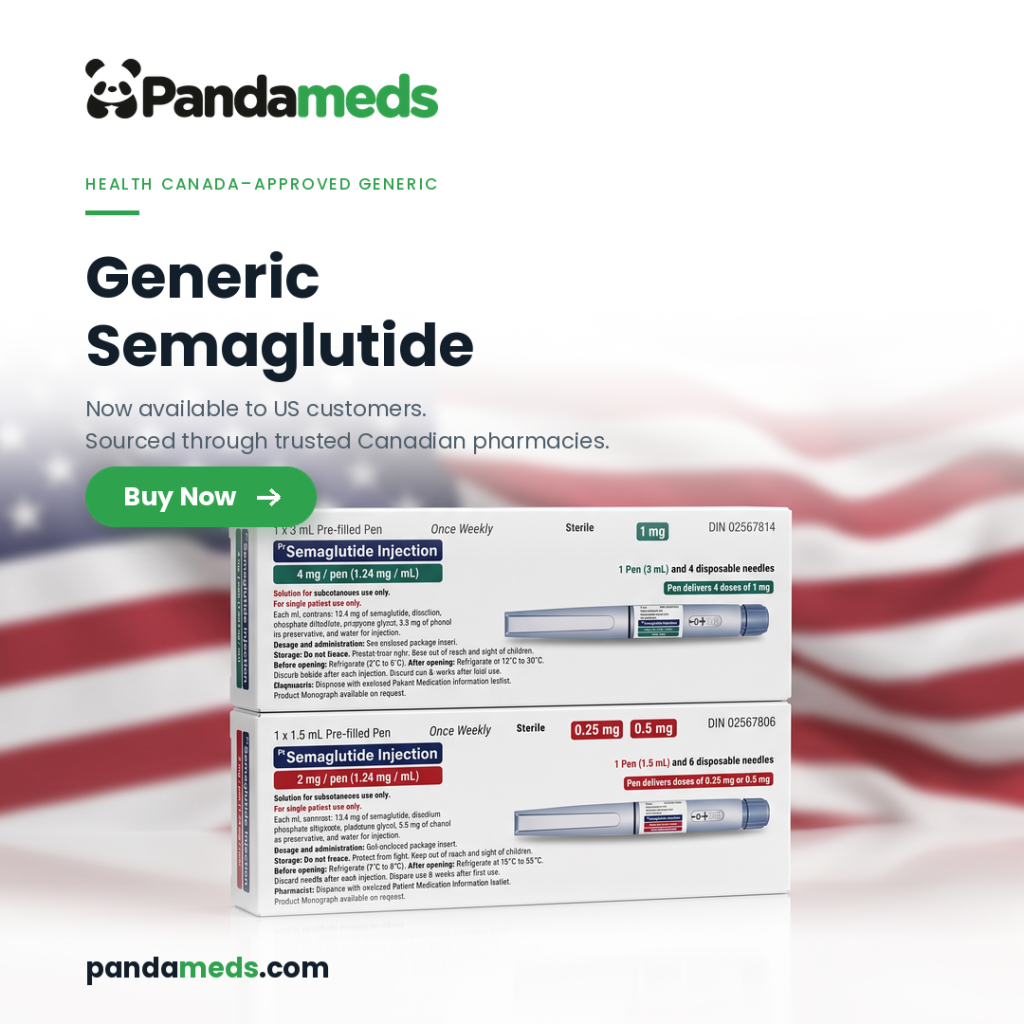
Pandameds.com is a trusted prescription referral service that connects U.S. patients with state-licensed pharmacies in Canada.
We partner with licensed Canadian pharmacies to ensure that patients receive genuine, high-quality medications.
Accessing Brand-Name GLP-1 Medications
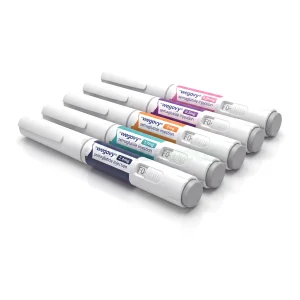
We offer access to popular FDA-approved brand-name GLP-1 drugs such as Ozempic and Wegovy, which are proven to support effective weight loss and blood sugar control. Patients in the U.S. can source these medications with a valid U.S. prescription.
Licensed Canadian Pharmacy Partnerships
The pharmacies we have partnered with are fully licensed and regulated by Canadian authorities, guaranteeing peace of mind. Besides that, these pharmacies make sure that medications are properly stored and dispensed with accurate labeling and dosing guidelines.
Cost Savings Compared With U.S. Retail Pricing
Patients can source medications like Wegovy, Ozempic, and generic semaglutide from us at a lower price than typical U.S. pharmacies. This affordability supports long-term adherence to the treatment and leads to better health outcomes.
Please note that a valid U.S. prescription is required to order these medications from us.