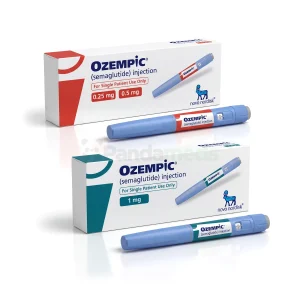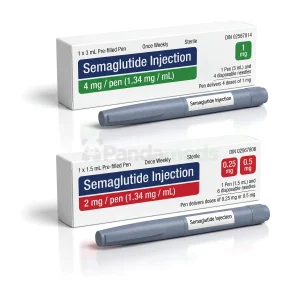
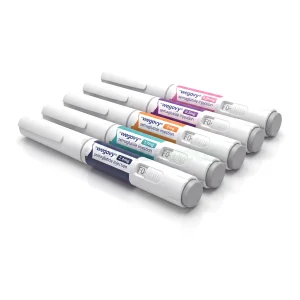
Wegovy delivers approximately 15% body weight loss in clinical trials-dramatically outperforming Trulicity’s average weight reduction of about 7–10 lbs (3–5% of body weight).
Both are GLP-1 receptor agonists administered as once-weekly injections, yet Wegovy produces roughly 2.5 times greater weight loss results than Trulicity. This makes the choice between these injectable medications heavily dependent on whether your primary clinical need is chronic weight management or type 2 diabetes care with glycemic control.
The STEP 1 trial demonstrated Wegovy’s superior weight loss effects, while the AWARD-11 trial established Trulicity’s dosing range for blood sugar control. Both carry FDA boxed warnings for thyroid C-cell tumors, including medullary thyroid carcinoma (MTC).
TL;DR
- Wegovy (semaglutide) and Trulicity (dulaglutide) are both once-weekly GLP-1 receptor agonist injections, but they serve different primary purposes.
- Wegovy is approved for chronic weight management and delivers approximately 15% body weight loss in clinical trials.
- Trulicity is approved for type 2 diabetes and produces a more modest weight loss of roughly 3–5% of body weight.
- Both medications reduce the risk of major cardiovascular events and share common gastrointestinal side effects.
- Trulicity costs less versus Wegovy’s list price, and Trulicity enjoys broader insurance coverage for diabetes management.
- Your endocrinologist should determine the best choice based on whether your primary goal is blood sugar control or significant weight loss.
Trulicity vs Wegovy Mechanism + Indications
| Feature | Trulicity (Dulaglutide) | Wegovy (Semaglutide) |
| Primary Use | T2D + CV Benefit | Obesity + CV |
| Active Ingredient | Dulaglutide | Semaglutide |
| Mechanism | GLP-1 Receptor Agonist | GLP-1 Receptor Agonist |
| Max Dose | 4.5 mg weekly | 2.4 mg weekly |
| Dose Range | 0.75–4.5 mg | 0.25–2.4 mg |
| Weight Loss | 6–10 lbs (~3–5%) | ~15% body weight |
| FDA Approval | Type 2 Diabetes | Chronic Weight Management |
Both Wegovy and Trulicity are GLP-1 medications that bind to GLP-1 receptors to stimulate insulin release in response to high blood sugar levels, slow gastric emptying, reduce appetite and enhance feelings of fullness-leading to lower calorie intake and improved blood sugar control.
Weight Loss Results – Wegovy 2.5x Superior
| Duration | Trulicity Loss | Wegovy Loss | Superiority |
| 6 months | ~6 lbs | ~20 lbs | ~3.3x |
| 12 months | 7–10 lbs | ~35 lbs | ~4x |
| % Body Wt | ~3–5% | ~15% | ~3–5x |
In the landmark STEP 1 trial, participants on semaglutide 2.4 mg achieved a mean weight loss of 14.9% of body weight over 68 weeks-compared to just 2.4% for placebo. The STEP 5 trial confirmed sustained weight loss over a full 104 weeks.
By contrast, Trulicity’s AWARD-11 trial showed the highest dose (4.5 mg) produced a weight reduction of approximately 4.7 kg (~10.4 lbs) at 36 weeks-a modest but clinically meaningful secondary benefit for patients primarily managing type 2 diabetes.
For patients whose weight loss journey is the primary goal, Wegovy is the clear clinical choice with results approaching those seen with gastric sleeve surgery.
A1c Reduction + CV Protection
| Metric | Trulicity | Wegovy |
| A1c Reduction | Up to 1.8% | Up to 1.6% |
| CV Risk Reduction | 12% (REWIND) | 20% (SELECT) |
| CV Trial Population | T2D ± CVD | Obesity + CVD, No T2D |
The REWIND trial demonstrated that Trulicity reduced major adverse cardiovascular events (MACE) by 12% (HR 0.88) in adults with type 2 diabetes who had established cardiovascular disease or multiple cardiovascular risk factors-across a median follow-up of 5.4 years.
The SELECT trial showed Wegovy reduced MACE by 20% (HR 0.80) in adults with established cardiovascular disease and obesity or overweight without diabetes. In March 2024, this data led to Wegovy’s FDA-approved cardiovascular indication.
For blood sugar control specifically, Trulicity has the longer track record in diabetes care, with A1c reductions of up to 1.8% at the 4.5 mg dose (AWARD-11). Both medications are indicated to reduce the risk of cardiovascular events, making them valuable tools for patients with multiple cardiovascular risk factors.
Side Effects Comparison
Both Wegovy and Trulicity commonly cause gastrointestinal side effects. However, Wegovy causes approximately 2x greater GI intensity due to its higher obesity-targeted dosing.
Trulicity may cause more intense nausea compared to Wegovy, while Trulicity is more often associated with fatigue as a side effect. Most GI symptoms resolve by week 12 in approximately 75% of patients for both medications.
| Side Effect | Trulicity | Wegovy |
| Nausea | ~22% | ~44% |
| Diarrhea | ~13% | ~30% |
| Vomiting | ~10% | ~24% |
| GI Total | ~35% | ~82% |
| Fatigue | More common | Less common |
| Headache/Dizziness | Less common | More common |
| Discontinuation Rate | ~5% | ~7% |
Serious risks shared by both medications include:
- Thyroid C-cell tumors: Both carry an FDA boxed warning for an increased risk of thyroid tumors, including medullary thyroid carcinoma (MTC). They are contraindicated in patients with a personal or family history of MTC.
- Pancreatitis: Risk of inflammation of the pancreas with both medications. Patients should seek immediate medical attention for severe abdominal pain.
- Gallbladder problems: Rapid weight loss can increase gallstone risk with both drugs.
- Kidney problems: Both medications can affect kidney function, so careful monitoring is important, especially for patients with existing kidney issues.
- Low blood sugar (hypoglycemia): Risk increases when used with insulin or sulfonylureas. Patients taking other diabetes medications should discuss drug interactions with their healthcare providers.
- Allergic reactions: Serious allergic reactions are possible. Patients should seek immediate medical attention for symptoms such as swelling, rash, or difficulty breathing.
Cost Comparison 2026
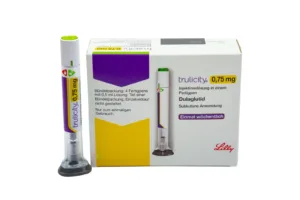
Out-of-pocket costs for both medications can vary widely depending on insurance coverage and available discount programs. At list price, Wegovy is significantly pricier than Trulicity. However, the pricing landscape shifted dramatically in late 2025, when the White House announced negotiated prices through TrumpRx that bring Wegovy to $350/month and Trulicity to $389/month for eligible patients.
| Source | Trulicity | Wegovy |
| List Price | ~$987/mo | ~$1,349/mo |
| Pandameds.com | $373.00 | $599.95 |
| TrumpRx / Negotiated | $389/mo | $350/mo |
| Medicare T2D Copay | ~$35–$50 | ~$50 |
| Self-Pay (Savings) | Varies | $199–$499/mo |
| Weight Loss Coverage | No | Limited |
Switching Trulicity → Wegovy Protocol
| Last Trulicity Dose | First Wegovy Dose | Timing |
| ≤1.5 mg | 0.25 mg | Day 1 |
| 3.0–4.5 mg | 0.5 mg | Day 1 |
Switching from Trulicity to Wegovy is common for patients who need greater weight loss effects beyond what Trulicity provides. Because both are in the same class of GLP-1 receptor agonists, no washout period is required-dulaglutide has a roughly 5-day half-life, and patients can start Wegovy on Day 1 after their last Trulicity dose.
Healthcare providers typically start with a lower dose of Wegovy (0.25 mg) and follow the standard dose-escalation schedule, with the dosage gradually increased every four weeks to minimize GI side effects.
Careful monitoring by your healthcare provider during the switching period is essential, particularly regarding blood glucose levels and any gastrointestinal symptoms.