Metformin: Uses, Safety, Side Effects & How It Compares to Newer Diabetes Medicines
Metformin is a widely prescribed medication for managing type 2 diabetes because of its long history, affordability, and effectiveness. The medication works by improving blood sugar control in your body by enhancing insulin sensitivity and reducing glucose production in the liver.
Apart from diabetes, some doctors also prescribe this medication for prediabetes and managing polycystic ovary syndrome (PCOS), which means that this medicine demonstrates versatile benefits.
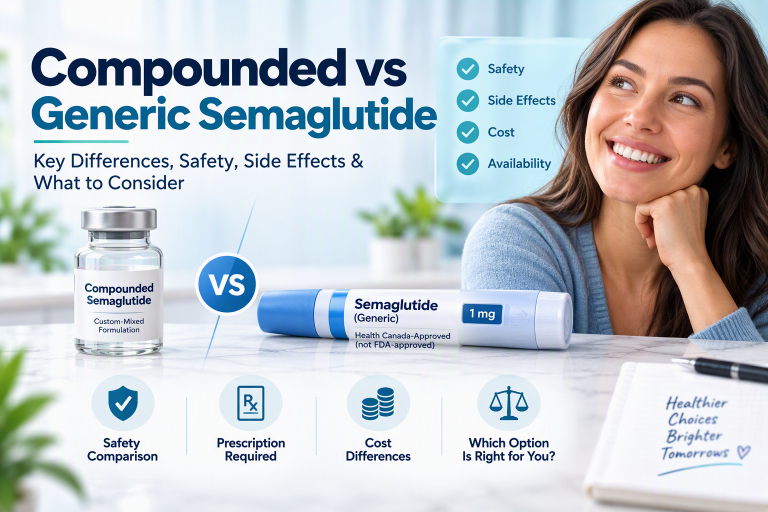
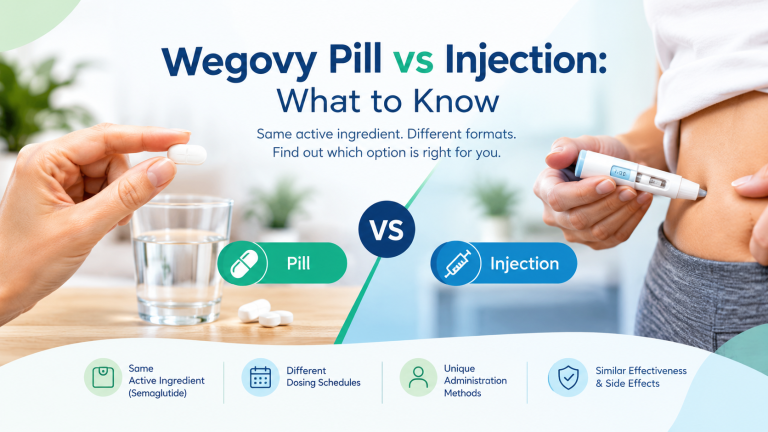
If you are also taking metformin or your doctor has recently prescribed it to you, then this article is just for you. Here, we are going to cover some essential details about metformin, its common side effects, safety precautions, dosing guidelines, and comparison with newer diabetes medications like Ozempic, Wegovy, and generic semaglutide (GLP-1 receptor agonists).
Quick Facts: What Metformin Is and How It Helps Blood Sugar
Metformin is a widely used oral medication primarily prescribed for managing type 2 diabetes. This medicine belongs to the biguanide class of drugs and works by targeting multiple pathways that help improve blood sugar control. The main reason why it is prescribed to patients is because of its proven effectiveness and affordability:
What Metformin Does
Metformin is known to lower the production of glucose in the liver. This helps reduce any excessive sugar in the bloodstream, along with improving the body’s sensitivity to insulin. This mechanism allows cells to use glucose in an effective manner. In addition to that, metformin reduces the absorption of glucose from the intestines, which supports better overall blood sugar regulation.
Why Metformin Remains a First-Line Treatment
The main reason why metformin is prescribed as a first-line treatment for managing diabetes is that its safety profile is backed by decades of clinical use. Additionally, it is a cost-effective alternative to newer medications becoming a more accessible option. Moreover, due to its weight-neutral effects and extensive clinical evidence supports its use as a diabetes treatment. However, modern treatment also focuses on the use of generic semaglutide, Wegovy, Ozempic, and other such medications.
Who Commonly Uses Metformin
Well, the medication is mainly prescribed to patients with type 2 diabetes because it helps control blood sugar levels. At times, it may be prescribed to patients with prediabetes and women with polycystic ovary syndrome (PCOS). It may also be combined with other medications to improve the treatment outcomes.
How Metformin Works in the Body
Most of us know that metformin controls blood sugar levels in our body. However, it does more to our body than we know. Here’s how ot works in the body:
- Reduces Liver Glucose Production
Metformin works by decreasing the level of glucose produced by the liver. This reduced production of glucose helps lower high blood sugar levels, which is quite common in patients with type 2 diabetes.
- Improves Insulin Sensitivity
The medication improves the body’s sensitivity to insulin so that cells can easily and effectively absorb and use glucose. This improvement helps with insulin resistance, which is a key factor in type 2 diabetes.
- Activates AMPK
Metformin also activates an enzyme in the body known as AMP-activated protein kinase (AMPK). This enzyme plays a crucial role in regulating energy balance and once this enzyme is activated, it reduces glucose production and increases glucose uptake in muscles.
- Lowers Risk of Hypoglycemia
While other diabetes medicines may stimulate insulin secretion, metformin does not stimulate insulin secretion, which means that it carries a lower risk of lowering blood sugar (hypoglycemia). In short, it is a safer option for diabetic patients as compared to other alternatives.
- Decreases Intestinal Glucose Absorption
Metformin also reduces the absorption of glucose from the intestines, which contributes to overall blood sugar control.
All of these reactions in the body upon taking metformin and medications like Wegovy work as an effective as well as well-tolerated treatment for managing blood sugar in type 2 diabetes.
Metformin, Blood Sugar Control, and Diabetes Outcomes
Metformin is the most basic yet important medication that is prescribed for the management of blood sugar in type 2 diabetes and prediabetes. This medicine effectively lowers glucose levels so that patients can achieve better glycemic control. In addition to providing immediate effects, it also contributes to long-term health benefits by minimizing any complications that are associated with diabetes.
-
Effects on Blood Glucose Levels
Metformin directly impacts fasting blood glucose by reducing liver glucose production. Moreover, it improves daily blood sugar control by improving insulin sensitivity and decreasing intestinal glucose absorption. These combined effects lower A1C levels, which is crucial for long-term glucose management.
-
Long-Term Diabetes Benefits
With long-term use of metformin, patients experience reduced risk of diabetes-related complications such as kidney damage, nerve impairment, and eye problems. It also helps by preserving kidney function along with supporting overall organ health. All of this, collectively, improves the quality of life for patients who want to manage chronic diabetes.
-
Cardiovascular Benefits
The medication reduces the risk of heart attacks and other cardiovascular events in patients with diabetes. It also improves blood sugar and metabolic health so that patients can experience better heart outcomes, making it an important part of comprehensive diabetes care and management of reactive hypoglycemia.
Renal Effects of Metformin and Kidney Safety Guidelines
Metformin is generally eliminated through the kidneys and hence kidney function is quite an important factor in its safe use. In case of impaired renal function, there is an increased risk of metformin accumulation, which can lead to some serious complications such as lactic acidosis.
Recent evidence suggests that metformin can be safely used by patients who have mild to moderate kidney impairment. However, this should be done with appropriate dose adjustment and guidance by a medical practitioner.
Due to some common myths about metformin and kidney health, some patients may discontinue its use unnecessarily. However, to decide that, assessing renal function for estimated glomerular filtration rate (eGFR) on a regular basis is necessary.
Common Myths about Metformin and Kidney Safety
- Metformin is not safe for patients with any kind of kidney-related disease/condition.
- The medication always causes kidney damage.
- Lactic acidosis is common in patients who use metformin.
- If kidney function declines slightly, this medicine must be stopped immediately.
- Metformin should not be used in elderly patients with reduced kidney function.
Kidney Safety Guidelines for Metformin Use
- Patients should take a test to assess eGFR before starting metformin therapy.
- If eGFR is below 30 mL/min/1.73 m², metformin use is contraindicated.
- If the eGFR is between 30-45 mL/min/1.73 m², metformin use is generally not recommended or requires dose reduction, which should be done only after consulting your prescriber.
- Annual or more frequent renal function assessment is necessary if there are any risk factors.
- You must temporarily discontinue the use of this medicine during acute illness, dehydration, or before contrast imaging.
- If you experience any unusual fatigue, muscle pain, or breathing difficulties, consult with your doctor immediately.
Gastrointestinal Side Effects and How to Improve Tolerability
Most patients discontinue the use of metformin due to gastrointestinal (GI) side effects. These side effects usually show up at the initial stage of treatment or when the dose is increased. However, there are strategies that you can follow to easily manage and reduce these symptoms.
Most Common Digestive Side Effects
- Diarrhea: Patients on metformin may experience frequent loose or watery stools, causing discomfort.
- Nausea: A sensation of wanting to vomit that can sometimes lead to vomiting.
- Stomach discomfort: You may also experience general abdominal pain or cramps.
- Bloating: This is also a side effect of metformin where you feel full or swollen in the abdomen.
- Gas: Increased flatulence due to the medication can also cause discomfort or embarrassment.
How to Reduce Digestive Side Effects
- Take this medication with food to lessen stomach ache or irritation.
- You should gradually increase the dose to allow the body to adjust to the medication and its side effects.
- When you are on this medication, it is important to stay well hydrated to help ease symptoms.
- Make sure that you split doses throughout the day to reduce any peak concentrations. However, you can also refer to the doctor’s prescription for dosage.
Immediate-Release vs Extended-Release Metformin
Immediate-release metformin may lead to more gastrointestinal side effects but offers flexible dosing throughout the day. On the other hand, extended-release formulations provide improved tolerability with once-daily dosing, which improves patient convenience and adherence.
However, the choice depends on individual preferences and what your health care professional prescribes after a systematic review, side effect management, and lifestyle considerations. Just as Ozempic and diarrhea are correlated, the same may happen when you are on metformin.
Other Cautions: Liver Disease, Heart Failure, and Acute Illness
When taking metformin, there are some health conditions that require special attention. These situations require additional monitoring or sometimes, temporary discontinuation to ensure safety and effectiveness:
Liver Disease Considerations
If you have liver impairment, it will impact how the medication is processed in your body. Patients with liver issues may have an increased risk of metabolic complications, including lactic acidosis.
Heart Failure Considerations
Metformin is generally safe to use in stable heart failure. However, it should be used cautiously. In case of unstable or severe heart failure, the risk of complications may increase. Such conditions require individual treatment decisions. Physicians generally take into account benefits against risks to optimize patient outcomes.
Sick-Day Management
In case of acute illness such as vomiting, severe diarrhea, or dehydration, use of the medication can be temporarily stopped. At times, serious infections can also increase the risk of adverse effects.
How to Take Metformin: Dosing, Timing, and Missed Dose Advice
Understanding the proper way to take metformin is essential to maximize its benefits and minimize side effects. This section provides detailed guidance on dosing schedules, administration techniques, and what to do if you miss a dose.
Available Metformin Formulations
Metformin is available in several formulations to suit different patient needs. Immediate-release tablets are taken multiple times daily, while extended-release tablets allow for once-daily dosing. Oral liquid options are also available for those who have difficulty swallowing tablets.
Typical Dosing Approaches
Starting metformin usually involves a low dose to reduce side effects, with gradual titration to the maintenance dose. This approach helps patients adjust to the medication and improves tolerability while ensuring effective blood sugar control.
Best Time to Take Metformin
Taking metformin with meals, especially the evening meal, helps reduce gastrointestinal side effects. Consistent timing each day improves the medication’s effectiveness and supports better blood sugar regulation throughout the day.
What to Do If You Miss a Dose
In case you miss a dose of this tablet, take it as soon as you remember unless it is time for your next dose. Do not double up to make up for the missed dose.
How Metformin Compares with GLP-1 Medicines Like Ozempic, Wegovy, and Generic Semaglutide
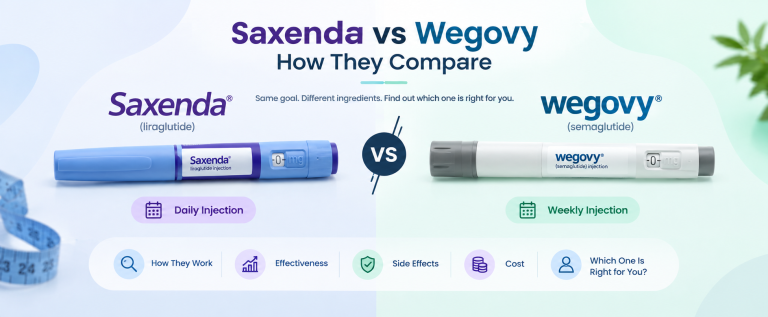
The named medications are prescribed to treat type 2 diabetes and sometimes used off-label for weight management. Let’s take a look at how metformin vs Ozempic and other such medications compare:
| Feature | Metformin | Wegovy (Semaglutide) | Ozempic (Semaglutide) | Generic Semaglutide |
| Primary Use | Type 2 diabetes, prediabetes | Obesity, weight management | Type 2 diabetes | Type 2 diabetes, weight loss |
| Weight Loss | Mild (2-3 kg) | Significant (up to 15% body weight) | Significant (7-12% body weight) | Similar to Ozempic |
| Mechanism | Improves insulin sensitivity, reduces glucose production | GLP-1 receptor agonist, appetite suppression | GLP-1 receptor agonist, appetite suppression | GLP-1 receptor agonist, appetite suppression |
| Administration | Oral tablets | Weekly subcutaneous injection | Weekly subcutaneous injection | Weekly subcutaneous injection |
| Cost | Low (generic available) | High (brand-name) | High (brand-name) | Lower than brand-name |
| Side Effects | GI upset (nausea, diarrhea) | Nausea, vomiting, injection site reactions | Nausea, vomiting, injection site reactions | Similar to Ozempic |
How pandameds.com Fits Into Metformin and Diabetes Care
pandameds.com works as a prescription-based referral service that provides patients with affordable and reliable access to essential diabetes medicines, including metformin, Wegovy, Ozempic, generic semaglutide, and more.
US patients with a valid prescription can order medication from the platform and get it delivered to their doorsteps through a cold-shipping method.
By sourcing medications from Canadian pharmacies, pandameds.com provides significant cost savings compared to U.S. prices. This affordability helps patients maintain long-term treatment adherence without financial strain.
When Should You Contact Your Doctor About Metformin?
It’s important to recognize when to seek medical advice while taking metformin to ensure your safety and the effectiveness of the treatment. Certain symptoms and situations require prompt attention.
Emergency Warning Signs to Watch For:
- Severe allergic reaction, including rash, itching, or swelling
- Signs of lactic acidosis: unusual tiredness, muscle pain, difficulty breathing
- Persistent nausea, vomiting, or diarrhea causing dehydration
Important Situations for Medical Advice:
- Unexplained fatigue or muscle weakness
- Changes in kidney function or unusual swelling
- Before undergoing surgery or imaging with contrast dye
Regular monitoring and communication with your healthcare provider are crucial for safe metformin use.
Should You Stay on Metformin If You Start a GLP-1 Medication?
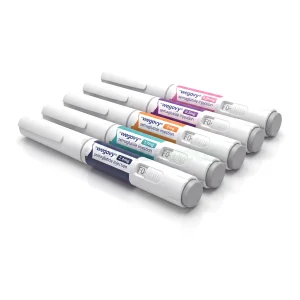
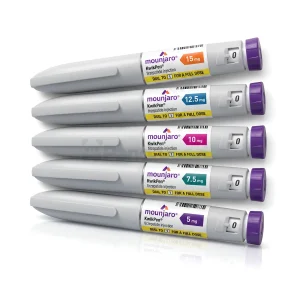
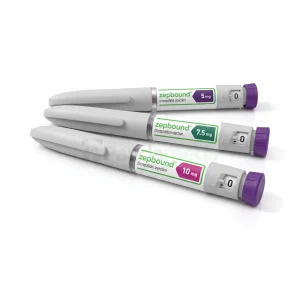
Many patients continue taking metformin after beginning GLP-1 medications like Ozempic, Wegovy, Mounjaro, or Zepbound. Metformin is the foundation of diabetes therapy due to its proven safety and effectiveness. Combining metformin with GLP-1 drugs can enhance blood sugar control and support weight loss.
Benefits of combination treatment include:
- Improved insulin sensitizing effects
- Enhanced blood sugar regulation
- Potential cardiovascular benefits
- Complementary weight management
Always consult your healthcare provider before changing any medication schedule to ensure a personalized plan based on your health goals and tolerance.