

Trulicity is one of the most trusted GLP-1 Agonist drugs used for weight loss. The drug has been in use long before Ozempic’s popularity skyrocketed in the weight loss drug market. Trulicity slows stomach emptying, which helps with appetite control and blood sugar regulation. But a major disadvantage with Trulicity is the side effects that come into play after you stop taking this medication.
This happens because your body has adapted to the medication’s effects on blood sugar regulation and appetite control, and sudden discontinuation can trigger a cascade of metabolic changes. Trulicity remains active in the body for about a week after each dose, so its effects may persist for several days after stopping.
Trulicity (dulaglutide) belongs to the GLP-1 receptor agonist class of medications used for type 2 diabetes and weight management. Research shows that 53.6% of patients discontinued by 1 year, with rates climbing to 72.2% by two years, making discontinuation a common reality many patients face.
What Happens When You Stop Taking Trulicity Abruptly
The consequences of stopping Trulicity cold turkey extend beyond simple symptom return and can significantly impact your diabetes management and overall health which can potentially exacerbate kidney problems. Certain risk factors and pre-existing medical conditions can increase the likelihood of complications when stopping Trulicity suddenly.
1. Blood Sugar Rebound and Loss of Glycemic Control
Rebound hyperglycemia represents one of the most immediate risks when stopping Trulicity cold turkey. Your pancreas and insulin sensitivity have been functioning with pharmaceutical support, and sudden withdrawal removes this metabolic scaffold.
Trulicity helps lower blood sugar levels by increasing insulin production from the pancreas, supporting blood glucose regulation in people with type 2 diabetes. Blood glucose levels can spike rapidly, bringing back symptoms you may have forgotten: excessive thirst, frequent urination, persistent fatigue, and blurred vision.
Recent data from 125,474 patients starting GLP-1 medications found that discontinuation rates reached 46.5% within one year for those with type 2 diabetes and 64.8% for those without diabetes. Among patients who stopped, 41.1% reinitiated treatment within one year, suggesting many found the metabolic consequences of discontinuation, including risks for diabetic retinopathy, difficult to manage without medication.
This loss of glycemic control isn’t just uncomfortable. Within weeks of discontinuation, your A1C levels may begin climbing back toward pre-treatment ranges. For individuals managing type 2 diabetes, this deterioration can accelerate the progression of complications including neuropathy, retinopathy, and kidney disease. Does Trulicity lower blood sugar immediately? While it doesn’t work instantly, once you’ve achieved stable levels on the medication, those benefits disappear relatively quickly after stopping.
2. Weight Regain After Discontinuation
Weight regain following discontinuation is substantial and largely irreversible without significant lifestyle interventions. Research demonstrates that discontinuation of GLP-1 receptor agonist treatment leads to significant weight regain and potential exacerbation of cardiovascular disease regardless of lifestyle efforts, indicating these medications should be considered chronic therapy rather than temporary treatments. Analysis of patients discontinuing semaglutide or tirzepatide found average weight regain of 9.69 kg, while cohort data shows patients experienced a median 2.9% weight loss during active treatment.
What happens when you stop taking weight loss drugs like Trulicity involves both physiological and behavioral factors. The medication suppresses appetite through direct effects on brain centers that regulate hunger and satiety. It also slows gastric emptying, keeping you feeling fuller longer after meals, which should be evaluated in the context of your medical history . When you stop, these effects reverse, and appetite returns to baseline or potentially higher levels as your body attempts to compensate.
Consider a typical scenario based on population data: A patient maintains stable weight on 1.5 mg weekly for eight months, losing 7% of body weight. Within two weeks of stopping, appetite increases noticeably. By week four, the scale shows a 2-3 pound gain. Without structured lifestyle interventions, many patients regain 60-70% of lost weight within six months of discontinuation, with some regaining all weight lost during treatment.
The psychological impact of weight regain can be profound. After investing time, money, and effort into achieving weight loss goals, watching the scale climb back up affects motivation and self-efficacy for future weight management attempts. Maintaining a structured treatment plan is essential to help patients lose weight and sustain their progress after discontinuing medication.
3. Return of Type 2 Diabetes Symptoms
Beyond the numbers on your glucose meter, you’ll likely experience the return of physical symptoms that prompted your original Trulicity prescription. Fatigue returns as cells struggle to access glucose for energy despite abundant blood sugar. That persistent thirst and frequent bathroom trips interrupt your daily routine again.
For those using Trulicity for type 2 diabetes management, these returning symptoms signal deteriorating disease control. The medication was helping manage an underlying chronic condition, not curing it. Trulicity supports the body’s ability to manage blood sugar levels effectively, and stopping it can make this more difficult. The timeline for symptom return varies by individual. Some people notice changes within days, while others maintain reasonable control for several weeks. Factors influencing this timeline include your baseline diabetes severity, other medications you’re taking, diet quality, activity level, and genetic predisposition to insulin resistance, especially when considering starting trulicity .
4. Cardiovascular Risk
Emerging evidence suggests GLP-1 receptor agonists like Trulicity offer cardiovascular protection beyond their effects on blood sugar and weight. When you stop taking the medication, you may lose these protective benefits. Elevated blood sugar damages blood vessel linings and promotes inflammatory processes that accelerate atherosclerosis.
Does Trulicity lower blood pressure?
While not its primary mechanism, many patients experience modest blood pressure reductions while taking the medication, likely related to weight loss and improved metabolic function. Discontinuation may result in blood pressure trending upward again, particularly if weight regain occurs.
How Long Does Trulicity Stay in Your System
The elimination half-life is approximately 5 days, meaning every five days, your body eliminates roughly half of the remaining drug concentration. In this what
Peak plasma concentration occurs within 24 to 72 hours after injection, with a median of 48 hours. This relatively slow absorption results from dulaglutide’s engineered molecular structure, which delays clearance and allows for convenient weekly dosing. How often is Trulicity taken? The standard dosing schedule is once weekly, though the medication remains active in your system throughout the week.
Complete clearance occurs in 20 to 25 days, as full elimination requires approximately four to five half-lives. However, the medication’s effects on blood sugar control and appetite may begin diminishing before complete clearance. Many patients notice changes within the first week after their missed dose as drug levels drop below therapeutic thresholds.
Proper storage matters even during discontinuation. How long does Trulicity last in the refrigerator? Unopened pens remain stable until their expiration date when refrigerated, giving you flexibility if you’re considering restarting treatment.
Safe Ways to Stop Taking Trulicity
Now that you understand the repercussions of suddenly stopping Trulicity, it is important to learn how to stop it safely. The safest path forward involves medical supervision and careful planning of the transition period. Most patients do not experience withdrawal symptoms when stopping Trulicity, but medical guidance is still important to prevent complications.
1. Tapering Plan
Your healthcare provider can design a tapering schedule that gradually reduces your Trulicity dosage over several weeks or months. Any changes to your medication regimen should always be supervised by a licensed healthcare professional. This approach allows your body to adapt incrementally rather than experiencing sudden metabolic shock. A typical taper might involve reducing from 1.5 mg to 0.75 mg weekly for several weeks before completely discontinuing, though the specific plan should be individualized.
During the taper, your provider will likely increase the frequency of blood sugar monitoring and may adjust other diabetes medications to compensate. The goal isn’t just to avoid side effects of stopping Trulicity but to maintain reasonable diabetes control throughout the transition.
2. Alternative Diabetes Medications
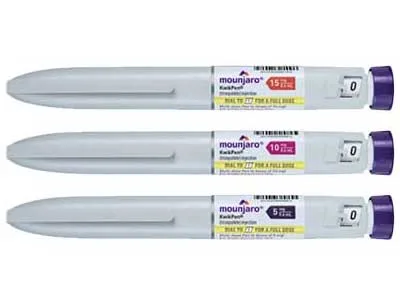
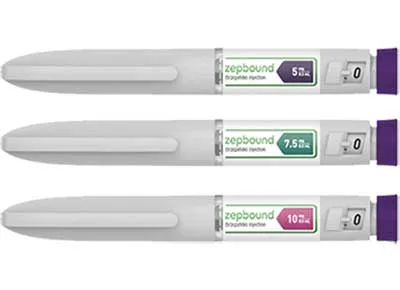
Rather than stopping all treatment, many patients transition to alternative medications better suited to their current needs or circumstances. Options include other GLP-1 receptor agonists like semaglutide (Ozempic, Wegovy) or tirzepatide (Mounjaro, Zepbound), or entirely different medication classes like SGLT2 inhibitors or DPP-4 inhibitors.
The transition timeline matters. Starting the new medication before completely stopping Trulicity can provide continuous coverage, preventing the blood sugar spikes that occur with treatment gaps. Your provider will consider the pharmacokinetics of both medications when planning the overlap period to avoid excessive drug levels while ensuring adequate therapeutic coverage.
Combining Trulicity with other drugs or starting a new drug combination should be carefully managed to avoid potential drug interactions and ensure safety. Always inform your healthcare provider about all other drugs you are taking, including prescription, over-the-counter, and supplements, to minimize the risk of harmful drug interactions.
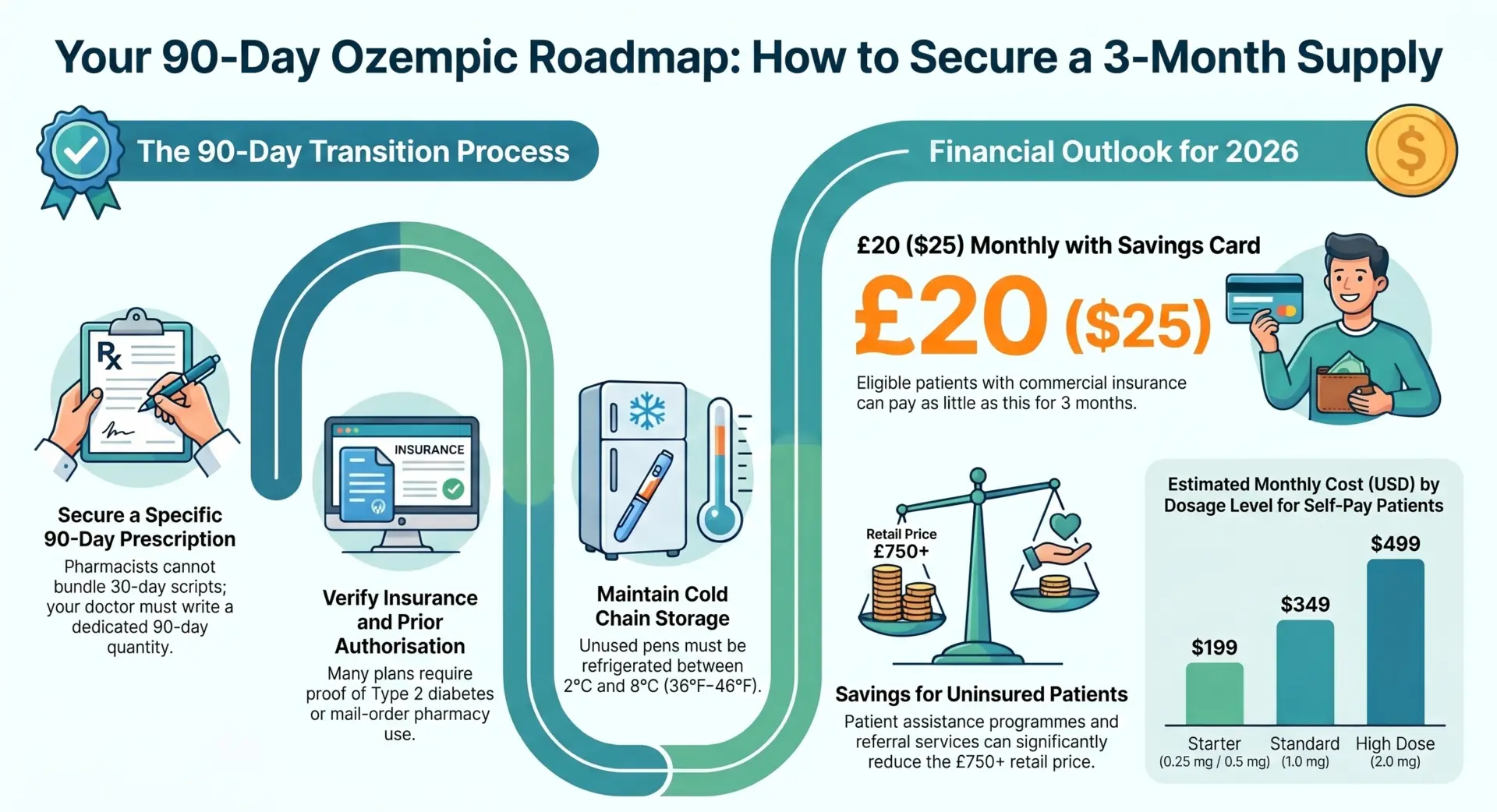
For patients facing financial barriers, several options exist for addressing cost concerns. Manufacturer patient assistance programs may provide medications at reduced cost or free for eligible patients. Prescription referral services, including Pandameds.com, connect patients with authorized Canadian pharmacies offering medications like Ozempic, Wegovy, Saxenda, and Mounjaro at reduced costs compared to USA pharmacies if your doctor prescribes trulicity , with delivery in 5-8 business days. While such services help some patients maintain treatment, they don’t solve all access issues, and availability varies by medication and insurance status.
3. Lifestyle Modifications
Implementing comprehensive lifestyle changes before stopping Trulicity helps maintain some of the metabolic improvements you achieved while on medication. Recent guidelines emphasize shifting toward plant-based and Mediterranean-style dietary patterns that reduce ultra-processed foods rather than simple calorie restriction. These eating patterns improve insulin sensitivity and support sustained weight management.
Physical activity becomes non-negotiable after discontinuation. Current recommendations suggest 150-180 minutes of moderate-intensity aerobic activity weekly, with particular emphasis on resistance training to prevent muscle loss and maintain metabolic health.
What foods to avoid with Trulicity and what not to eat on Trulicity guidelines remain relevant even after stopping. Limiting refined carbohydrates, added sugars, and ultra-processed foods helps stabilize blood sugar and reduces the dramatic glucose swings that characterize poorly controlled diabetes. Patients should also be cautious if they drink alcohol, as alcohol can affect blood sugar control after stopping Trulicity.
Sleep quality deserves special attention. Six to nine hours of nightly sleep is now emphasized as equally important to diet and exercise for managing type 2 diabetes risk, as poor sleep disrupts hunger-regulating hormones. This becomes particularly critical when you’re no longer using medication to suppress appetite.
Reasons You Might Need to Stop Trulicity
Despite its benefits, legitimate circumstances require Trulicity discontinuation. Understanding these scenarios helps you and your provider make informed decisions about your treatment path.
1. Serious and Common Side Effects
Side effects represent 28.2% of discontinuation decisions, making them the most common reason patients stop GLP-1 medications. Gastrointestinal adverse events predominate, where you experience nausea, vomiting and diarrhea that affect quality of life despite the medication’s metabolic benefits.
Can Trulicity cause diarrhea? Diarrhea occurs in 7.0% at 1.5 mg, rising to 11.4% at 3 mg and 10.7% at 4.5 mg in clinical trials. The highest incidence appears soon after starting treatment, typically declining throughout continued use even with dose escalation. Most cases are mild to moderate, with only 0.7% of patients discontinuing specifically due to diarrhea.
What is the most common side effect of Trulicity extends beyond diarrhea to include nausea, which affects women at 2.5-fold higher rates than men. While strategies exist to minimize these effects, some patients find them intolerable despite optimal management.
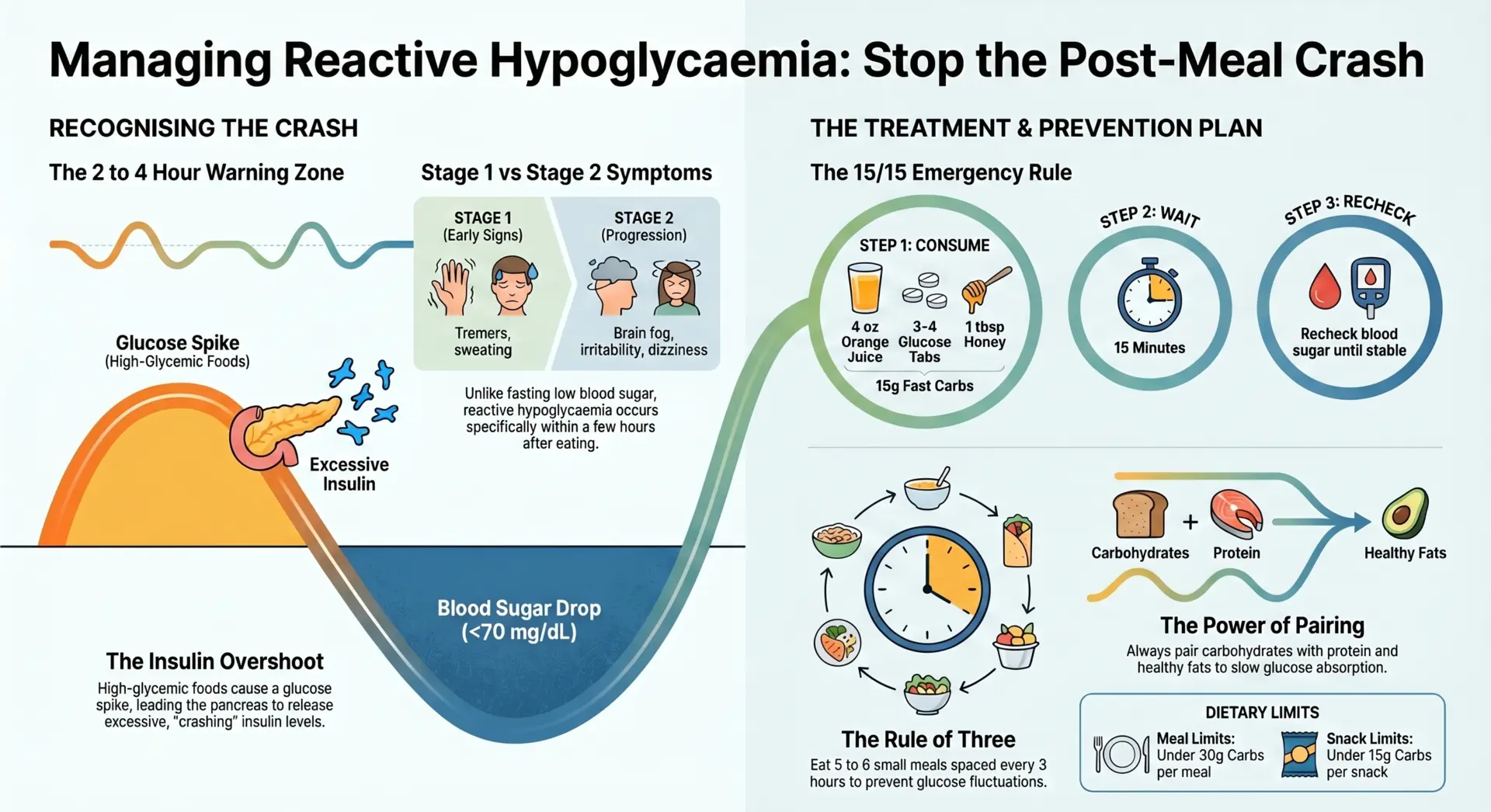
Other concerning side effects warranting discontinuation include signs of pancreatitis such as severe abdominal pain radiating to the back, persistent nausea and vomiting, and fever. Can Trulicity cause dizziness? Dizziness is not a direct side effect but may occur as a symptom of hypoglycemia, particularly when Trulicity is combined with insulin or sulfonylureas.
2. Medical Contraindications or Complications
Certain medical developments may contraindicate continued Trulicity use. Personal or family history of medullary thyroid carcinoma or multiple endocrine neoplasia syndrome type 2 represents absolute contraindications. A new diagnosis of pancreatitis requires immediate discontinuation, as GLP-1 medications may increase risk in susceptible individuals.
Severe gastrointestinal disease progression can make Trulicity intolerable. Patients with gastroparesis may experience worsening symptoms, as the medication’s effect on gastric emptying exacerbates existing motility problems.
Pregnancy planning necessitates stopping Trulicity, as limited human data exist regarding fetal safety. Women should discontinue the medication at least two months before planned conception given its extended elimination time.
3. Financial or Access Concerns
Cost represents 12.8% of discontinuation decisions, reflecting the substantial financial burden of GLP-1 medications. Monthly dulaglutide costs can reach up to $1,349 before insurance, creating unsustainable expenses for many patients. Insurance coverage varies widely, with some plans requiring extensive prior authorization processes or imposing high copayments that strain household budgets.
Medication unavailability peaked at 14.6% of discontinuation reasons in November 2023, particularly affecting patients using GLP-1s for weight management rather than diabetes. Some patients may be using Trulicity off label for weight loss, which can further impact medication supply and access. Supply chain disruptions create forced interruptions in therapy, sometimes leading to permanent discontinuation when patients lose access during critical treatment phases.
The frustration of cost-driven discontinuation extends beyond financial stress. Patients who achieve excellent results on medication only to lose access due to pricing face emotional toll alongside metabolic deterioration.
What to Monitor After Stopping Trulicity
Vigilant monitoring during the post-discontinuation period helps catch problems early and guides intervention decisions. Several key metrics deserve regular attention.
1. Blood Sugar Levels and A1C Tracking
Increase blood sugar monitoring frequency immediately after stopping Trulicity. Test fasting glucose daily and add post-meal checks to identify concerning patterns. Monitoring is also important to detect episodes of low blood sugar, which can occur when adjusting diabetes medications. Document your readings systematically, noting the timing relative to meals and any unusual circumstances like illness or stress.
Your healthcare provider will likely schedule more frequent A1C testing during the transition period. Rather than the standard three-to-six-month intervals, expect A1C checks at one month and three months after discontinuation. These tests reveal whether your longer-term glucose control is deteriorating and help determine if medication changes are necessary.
Target ranges should remain consistent with general diabetes management guidelines, typically fasting glucose under 130 mg/dL and A1C below 7% for most adults. However, your provider may adjust these targets based on individual factors.
2. Weight and Body Composition Changes
Step on the scale weekly at the same time of day, preferably first thing in the morning. Weight fluctuates normally by several pounds daily, so focus on weekly trends rather than day-to-day changes.
Beyond the scale, pay attention to how your clothes fit and your body composition. Muscle loss often accompanies weight regain after stopping Trulicity weight loss injection therapy, particularly if you don’t maintain strength training. Preserving lean muscle mass helps maintain metabolic rate and improves long-term weight management success.
Consider measuring waist circumference monthly, as this metric reflects visceral fat accumulation better than total body weight. Increasing waist circumference indicates metabolically harmful fat deposition even if total weight remains stable.
3. Symptom Recurrence and Health Markers
Monitor for returning diabetes symptoms systematically. Keep a daily log noting energy levels, thirst, urination frequency, vision changes, and any unusual symptoms. This subjective data helps you and your provider assess disease control from a quality-of-life perspective rather than focusing exclusively on numbers.
Blood pressure deserves regular attention, particularly if you experienced reductions while taking Trulicity. Check weekly at home using a validated monitor, always measuring at the same time of day.
Watch for signs that complications are progressing: new numbness or tingling in feet, worsening vision, increased frequency of infections, or slow wound healing. These symptoms signal that blood sugar control may be inadequate and warrant medical evaluation.
When to Seek Immediate Medical Attention
Certain symptoms after stopping Trulicity require emergency evaluation rather than scheduled follow-up. You should not ignore these symptoms as a common allergic reaction.
Severe hyperglycemia symptoms constitute a medical emergency. Extreme thirst that you cannot quench, urination every hour, profound fatigue, blurred vision, nausea, vomiting, and confusion indicate dangerously high blood sugar. If you experience rapid breathing or notice a fruity smell to your breath, you may be developing diabetic ketoacidosis (DKA), a life-threatening complication requiring immediate hospital care.
Severe abdominal pain radiating to your back, particularly if accompanied by persistent nausea, vomiting, and fever, suggests pancreatitis and requires emergency evaluation.
Signs of severe hypoglycemia also warrant immediate attention, especially if you’re transitioning to alternative medications or adjusting insulin doses. Confusion, inability to think clearly, seizures, loss of consciousness, or inability to swallow all require emergency response.
Cardiovascular symptoms merit urgent evaluation. New chest pain, severe shortness of breath, sudden weakness on one side of your body, or difficulty speaking could indicate heart attack or stroke. Don’t delay seeking care when facing potential life-threatening emergencies.
Can you stop taking Trulicity cold turkey?
The primary risk of stopping cold turkey involves rapid blood sugar rebound. Your body has adapted to functioning with pharmaceutical support for insulin secretion and glucagon suppression. If you inject Trulicity, stopping injections abruptly can lead to rapid changes in blood sugar control. Removing that support suddenly causes glucose levels to spike, potentially reaching dangerously high ranges within days to weeks. This rebound hyperglycemia brings back diabetes symptoms you may have forgotten.
Weight regain accelerates when stopping abruptly rather than transitioning gradually with lifestyle support in place. The appetite suppression and delayed gastric emptying that helped you feel satisfied with smaller portions disappear, and hunger returns quickly.
Multiple reasons drive discontinuation, with 21% of patients citing several concurrent factors. This complexity underscores why one-size-fits-all discontinuation advice falls short. Work with your healthcare team to develop an individualized stopping plan that addresses your specific circumstances.
The bottom line
While you technically can stop taking Trulicity cold turkey, doing so carries preventable health risks. A gradual, supervised transition protects your metabolic health and provides the best chance of maintaining some treatment benefits after discontinuation.
References:
- Discontinuation and Reinitiation of Dual-Labeled GLP-1 Receptor Agonists Among US Adults With Overweight or Obesity
- Treatment discontinuation among users of GLP-1 receptor agonists and SGLT2 inhibitors in a national population of individuals with type 2 diabetes – PMC
- Discontinuing glucagon‐like peptide‐1 receptor agonists and body habitus: A systematic review and meta‐analysis – Berg – 2025
- Discontinuing glucagon-like peptide-1 receptor agonists and body habitus: A systematic review and meta-analysis – PubMed
- Dulaglutide (Trulicity): The Third Once-Weekly GLP-1 Agonist – PMC
- Office of Clinical Pharmacology Review: Trulicity (Dulaglutide)
- HIGHLIGHTS OF PRESCRIBING INFORMATION These highlights do not include all the information needed to use TRULICITY safely and eff
- ISPOR 2025: Exploring reasons for GLP-1 discontinuation
- What is the relationship between dulaglutide (Trulicity) treatment and the development of diarrhea?
- Gastrointestinal Tolerability of Once-Weekly Dulaglutide 3.0 mg and 4.5 mg: A Post Hoc Analysis of the Incidence and Prevalence of Nausea, Vomiting, and Diarrhea in AWARD-11
- Trulicity: Side Effects and What to Do About Them
Disclaimer: This information is intended for general knowledge and informational purposes only and does not constitute medical advice. Always consult with a healthcare professional for personalized guidance.
Written by the Pandameds.com Editorial Team
Our content is created by pharmacy-trained researchers and healthcare specialists and rigorously reviewed by a diverse panel of authentic experts from the pharmaceutical and healthcare fields. This collaborative review process ensures that every article meets the highest standards of medical accuracy, reliability, and relevance.
- ✅ Authored by pharmacy-trained professionals
- 🔍 Reviewed by multiple verified experts in the pharmaceutical and healthcare niche
- 💊 Based on trusted sources including FDA, Health Canada, and peer-reviewed clinical studies
- 🔄 Regularly reviewed and updated every 90 days to maintain accuracy and trustworthiness
About Pandameds.com
Pandameds.com is a prescription referral service and help U.S. patients to access affordable and authentic weight loss medications.
Fast, Reliable Shipping to the USA!
Affordable Prescription Meds From Canada




Join our mailing list for exclusive promos, curated health content & more.
Related Blog Posts


Call Us Today!
If you have any questions, please email our support team at support@pandameds.com or call us toll-free at 1-888-862-1210.