Beta blockers are prescription medications primarily used for cardiovascular conditions. They work by slowing the heart rate, lowering blood pressure, and reducing the heart’s workload. This helps the heart pump more efficiently and decreases the risk of complications.
These drugs are commonly prescribed to treat heart failure, prevent heart attacks, manage abnormal heart rhythms (arrhythmias), and ease chest pain caused by angina. By controlling these conditions, beta blockers improve overall heart health and reduce symptoms.
In this guide, we will thoroughly guide you through this medication, including how they work, its benefits, potential side effects and more.
Quick Answer: What Do Beta Blockers Do?
These prescription medications block beta receptors in the heart and blood vessels. As a result, they reduce the effects of stress hormones like epinephrine. This directly reduces blood pressure and lowers the workload on the heart.
By slowing the heart rate and relaxing blood vessels, beta blockers help improve blood flow, all the while reducing elevated blood pressure. Like other renowned cardiovascular medications, beta blockers are commonly prescribed to treat health conditions like high blood pressure, heart disease and arrhythmias. However, do note that if you are following a plan with these medications, ensure that you have regular medical supervision to monitor effects and adjust doses safely.
Primary Effects of Beta Blockers
When you take a beta blocker pill, the medication starts working by making your heart beat more slowly and steadily. This directly reduces the overall workload on the heart. As a result, there is a decrease in the oxygen demand of the heart muscle and makes it easier to pump blood throughout the body. Due to this, the medication is particularly ideal for people with angina or heart disease.
To help you better understand beta blockers as a class of drugs, we have shared their primary effects below.
- Slower heart rate
- Reduced blood pressure
- Lower cardiac workload
- Reduced oxygen demand
Why Doctors Prescribe Beta Blockers
Doctors prescribe beta blockers to patients who are suffering from cardiovascular diseases. Below, we have listed some of these conditions to help you better understand when exactly this medication is prescribed.
- Heart attack recovery: They help prevent further heart attacks and improve survival.
- Heart failure: Beta blockers can slow heart rate and reduce cardiac dysfunction.
- Arrhythmias: These prescription medications help control irregular or rapid heartbeats, including atrial fibrillation.
- Coronary artery disease: Beta blockers reduce chest pain and improve blood flow.
- Hypertension with cardiovascular disease: They effectively lower blood pressure and decrease the risk of complications.
Important Safety Considerations
Beta blockers are long-term medications. Therefore, you must consider the following factors we have listed below to ensure safety and proper function of the medication.
- Beta blockers are prescription-only medications. This means that a doctor’s approval is required in order to use them.
- As these medications directly impact your heart rate and blood pressure, regular check-ups become essential.
- Never suddenly stop taking beta blockers. An abrupt discontinuation can bring forth major risks, such as heart attack or irregular heartbeat.
- Thoroughly follow the instructions of your healthcare provider for both dosage and duration.
- If you notice any unusual symptoms or side effects, immediately reach out to your doctor.
What Are Beta Blockers?
Beta blockers, also known as beta-adrenergic blocking agents, are medications that block beta receptors in the body. In simple terms, they are a class of prescription medications that are used to treat a wide range of cardiovascular diseases.
These receptors are found mainly in the heart, lungs, blood vessels and kidneys. By blocking these receptors, beta blockers reduce the effects of stress hormones like epinephrine. This leads to a slower heart rate and lower blood pressure. In cardiovascular medicine, beta blockers are used to treat conditions such as high blood pressure, angina, heart failure, and arrhythmias.
Understanding Beta Receptors
Beta blockers slow the heart and relax blood vessels, resulting in improved cardiovascular health. They do this by targeting beta-1 and beta-2 receptors.
Beta-1 Receptors: These receptors are primarily found in the heart. When these receptors are blocked, the heart rate is slowed and cardiac contractility is reduced. This results in lowering blood pressure as well as the workload on the heart.
Beta-2 Receptors: These receptors are found in the lungs and blood vessels. When they are blocked, they can cause narrowing of airways and blood vessels.
How Do Beta Blockers Work in the Body?
The sympathetic nervous system is part of the autonomic nervous system. It controls the body’s “fight or flight” response during stress. It releases hormones like adrenaline (epinephrine) and norepinephrine. These hormones are the primary reason why you may notice a sudden increase in heart rate and blood pressure.
As beta blockers blocks beta receptors, they prevent a spike in adrenaline and norepinephrine from binding. As a result of this, you may notice the effects we have listed below.
- Heart rate slows down
- Blood vessels relax
- Blood pressure decreases
- The heart works less hard
Blocking the Fight-or-Flight Response
Adrenaline, also known as epinephrine, is a key stress hormone released during the body’s “fight or flight” response. This hormone can drastically increase heart rate, strengthen heart contractions and narrow blood vessels to raise blood pressure.
Beta blockers work by blocking beta receptors, preventing adrenaline from binding. This often results in:
- Slower heart rate
- Reduced force of heart contractions
- Relaxed blood vessels
- Lower blood pressure
Effects on Heart Rate
Beta blockers significantly influence the heart rate and rhythm. Below, we have listed some of the ways in which these prescription medications affect the heart.
- Reduce Resting Heart Rate: The medication helps the heart to beat more slowly and efficiently.
- Lower Exercise Heart Rate: Beta blockers help decrease the heart’s workload during physical activity.
- Stable Heart Rhythm: For patients with irregular or rapid heartbeats, the medication can assist in promoting a more stable rhythm.
Effects on Heart Function
As beta blockers affect the heart rate, they also have a direct influence on the muscle as well. Below, we have shared the key effects of beta blockers to help you better understand their influence on heart function.
- They help the heart to pump blood with less force by reducing contractility.
- They decrease the blood flow volume by lowering cardiac output.
- They directly reduce the heart strain by reducing oxygen demand, lowering the chances of heart failure.
- They protect the heart from overexertion.
Effects on Blood Pressure
Beta blockers manage hypertension and protect the heart by keeping the blood pressure in check. To help you better understand this, we have mentioned the key ways in which these prescription medication effects blood pressure.
- They slow the heart rate, which lowers blood pressure.
- They decrease the heart’s force of contraction, reducing cardiac output.
- They lower renin production by the kidneys, which helps control blood pressure.
- Over time, beta blocker therapy provides long-term cardiovascular benefits, including reduced risk of heart attacks and improved heart function.
Types of Beta Blockers and Their Classification
Beta blockers differ mainly in their receptor selectivity and clinical uses. Some block both beta-1 and beta-2 receptors, while others selectively block only beta-1 receptors.
- Nonselective Beta Blockers: They block both beta-1 and beta-2 receptors. As they affect both the heart and lungs simultaneously, they are most commonly used for conditions like hypertension and angina.
- Selective Beta Blockers: They are primarily used to block beta-1 receptors in the heart. They are mainly prescribed to patients who are suffering from high blood pressure, angina or are under a recovery plan after a heart attack.
- Intrinsic Sympathomimetic Activity (ISA): These beta blockers partially stimulate beta receptors while blocking them, causing less slowing of the heart rate.
- Third-Generation Beta Blockers: These are advanced heart medications that block beta receptors, all the while widening blood vessels to lower blood pressure.
Cardioselective Beta Blockers
Cardioselective beta blockers mainly block beta-1 receptors in the heart. They have less effect on beta-2 receptors in the lungs and blood vessels. This makes them safer for patients with respiratory issues like asthma.
Commonly prescribed cardioselective beta blockers include:
- Metoprolol (it is the most commonly prescribed beta-blocker)
- Atenolol
- Bisoprolol
These drugs help:
- Treat high blood pressure
- Manage angina
- Control heart rate after a myocardial infarction
They reduce the heart’s workload without significant lung side effects. Regular monitoring of blood sugar is important, especially for diabetic patients taking these medications.
Nonselective Beta Blockers
Nonselective beta blockers block both beta-1 and beta-2 receptors. This means they affect the heart and lungs.
Common nonselective beta blockers include:
- Propranolol: Used for hypertension, arrhythmias, and anxiety disorders.
- Nadolol: Long-acting, treats hypertension and angina.
- Sotalol: Also blocks potassium channels, used for arrhythmias.
- Carvedilol: Blocks beta-1, beta-2, and alpha-1 receptors; used for heart failure and hypertension.
Do note that while these drugs reduce heart rate and blood pressure, they may cause bronchoconstriction. They are usually avoided in asthma patients due to beta-2 blockade. Therefore, ensure timely medical checks to avoid side effects of beta blockers and ensure proper treatment.
Third-Generation Beta Blockers
Third-generation beta blockers offer additional benefits beyond typical beta blockade. They include:
- Carvedilol: Blocks beta-1, beta-2, and alpha-1 receptors, providing vasodilation.
- Labetalol: Blocks beta and alpha receptors, used for hypertension and hypertensive emergencies.
- Nebivolol: Selective beta-1 blocker with nitric oxide–mediated vasodilation.
These drugs help lower blood pressure by widening blood vessels, reducing the heart’s workload further. They are useful in treating hypertension and heart failure with added vascular benefits.
Beta Blockers Effect on Chronic Weight Management
When it comes to chronic weight management, beta blockers can cause to gain 2 to 3 pounds of weight within the first few months. Below, we have listed the key ways in which beta blockers affect chronic weight.
- These medications can slow metabolism, causing the body to burn fewer calories.
- Beta blockers can cause your body to hold on to extra fluid.
- These prescription medications can cause fatigue, which directly affects physical activity.
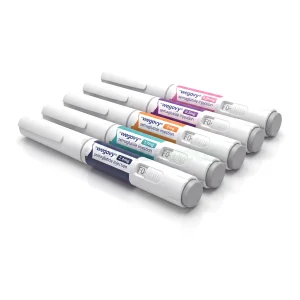
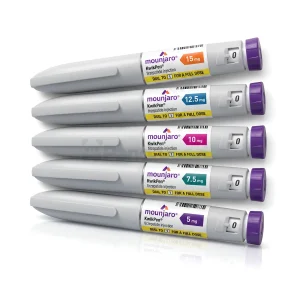
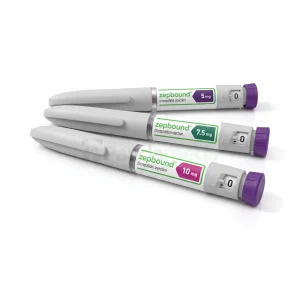
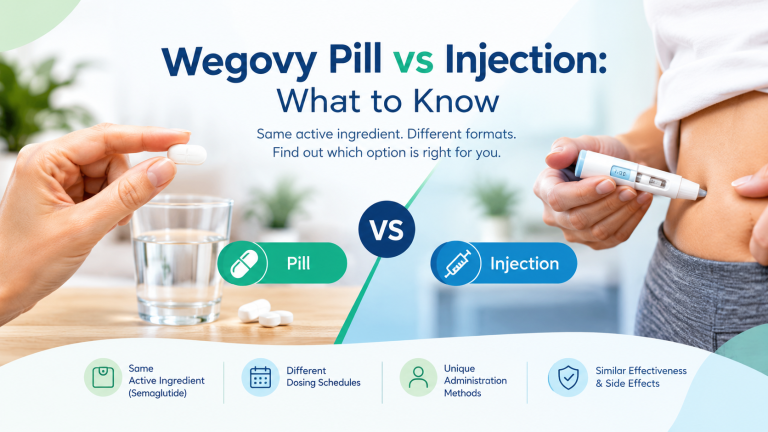
Do note that beta blockers are not a direct medication for chronic weight management, as they as primarily used for treating cardiovascular issues. Generic semaglutide pens, on the other hand, are the ideal medication for treating chronic weight management. Mentioned below are the key ways in which generic semaglutide helps with effective chronic weight loss.
- Reducing appetite
- Slowing stomach emptying
- Helping you feel fuller longer
If you are prescribed beta blockers but are concerned about weight gain, talk to your healthcare provider. They can help balance the benefits of beta blockers with your weight management goals.
Common Beta Blocker Side Effects
Side effects of beta blockers can differ widely between individuals. This means that each person may react differently based on their health and the specific medication used. Therefore, it becomes very crucial to have open communication with your healthcare provider about any and all changes you notice. Below, we have listed some of the common side effects that you should keep an eye out for.
1. Dizziness and Lightheadedness
This is one of the most common side effects of beta blockers. This is often caused by the change in blood pressure caused by the medication. Beta blockers work by lowering blood pressure, which can sometimes cause a sudden drop, especially when standing up quickly. This is known as orthostatic hypotension.
When on a beta blockers plan, you may feel faint or unsteady, particularly when changing position from sitting or lying down to standing. Therefore, it is best to rise slowly to help the body adjust to the blood pressure changes. Do note that if your dizziness persists or worsens, immediately seek the assistance of your healthcare provider.
2. Slow Heart Rate
Beta blockers are designed to slow the heart rate, which is beneficial for many cardiovascular conditions. However, this effect can sometimes lead to bradycardia, a condition where the heart beats too slowly.
Bradycardia may cause symptoms such as fatigue, weakness, or fainting. Therefore, it is important to regularly monitor heart rate to ensure optimal pumping. If the heart rate drops below a safe level, the doctor may reduce the dose or switch to a different medication.
3. Cold Hands and Feet
Many patients have reported experiencing cold hands and feet while on beta blockers. This is due to reduced peripheral circulation, which results from the medication’s effect on blood vessels.
These prescription medications cause blood vessels in the extremities to constrict, leading to a sensation of coldness. While this side effect is usually harmless, it can be uncomfortable. If symptoms are severe or accompanied by pain or color changes in the fingers or toes, medical advice should be sought.
4. Digestive Side Effects
Some people taking beta blockers may experience digestive issues such as nausea, constipation, or stomach discomfort. These side effects occur because beta blockers can affect the gastrointestinal system. Nausea may be mild and temporary but should be monitored.
5. Sleep and Neurological Effects
Beta blockers can influence sleep patterns and neurological function in some patients. Common complaints include vivid dreams, sleep disturbances, and insomnia.
These effects are thought to be related to the medication’s action on the nervous system and its ability to cross the blood-brain barrier. Patients experiencing trouble sleeping or unusual dreams should discuss these symptoms with their doctor. Sometimes changing the timing of the dose or switching to another beta blocker with fewer central nervous system effects can help.
6. Sexual Side Effects
Sexual dysfunction is another potential side effect of beta blockers. Men may experience erectile dysfunction or reduced sexual performance while on these medications. This side effect can impact quality of life and relationships.
Accessing Cardiovascular Medications Through pandameds.com
pandameds.com is a Canadian pharmacy referral service. We help U.S. customers access affordable prescription medications. To order medication through pandameds.com, you need a valid prescription from a professional healthcare provider.
The medications are shipped directly to your home. This approach lowers costs compared to U.S. retail prices. By using pandameds.com, you can save money while getting the medications you need with proper medical oversight.
When Should You Contact Your Doctor About Beta Blockers?
Certain warning signs require immediate medical attention. Seek help if you experience severe dizziness, fainting, or a very slow heartbeat. Chest pain, fainting, severe breathing difficulties, very low heart rate or mood or sleep changes also need urgent evaluation.
Routine follow-up concerns include mild fatigue, cold hands, or sleep disturbances. Always report new or worsening symptoms during regular check-ups. Never stop or change your beta blocker dose without consulting your healthcare provider first.
Bottom Line
Beta blockers are medicines that slow your heart rate and lower blood pressure. They reduce the heart’s workload and help it pump better. Doctors prescribe beta blockers to treat heart problems like high blood pressure, angina, heart failure, and irregular heartbeats.
These drugs block the effects of stress hormones like epinephrine. This helps relax blood vessels and reduces heart strain. Beta blockers can also protect against future heart attacks. Always follow your doctor’s advice and have regular check-ups while taking beta blockers.